
The Ultimate Breakdown of Solar Panel Lifespan and Performance
Share:
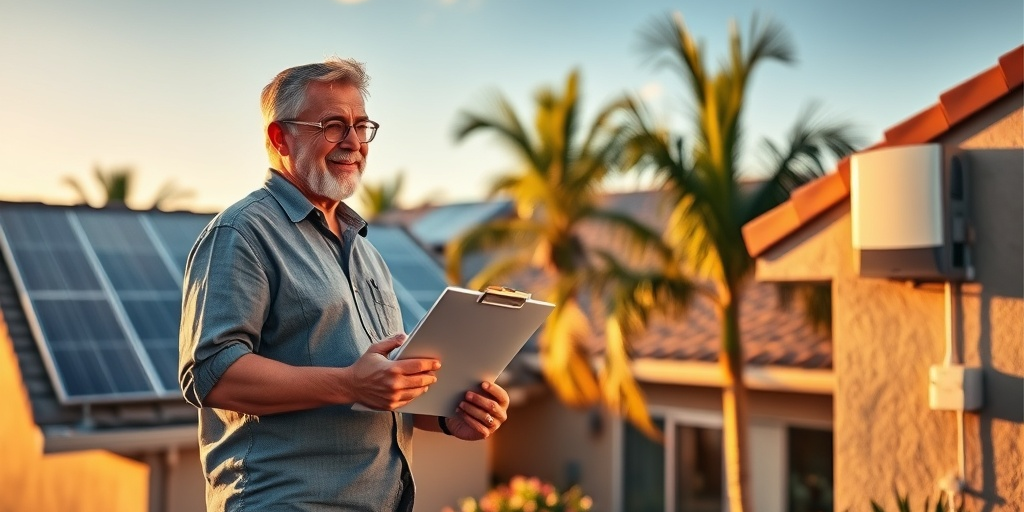
In a world where energy bills are constantly on the rise, Florida homeowners face an uphill battle against fluctuating utility costs and energy demands. Did you know that, on average, solar panels can reduce your electric bill by as much as 70%? As we look into “The Ultimate Breakdown of Solar Panel Lifespan and Performance,” the urgency to understand solar technology has never been more crucial. Not only does solar energy provide a sustainable alternative to traditional power sources, but recent changes in legislation may have drastically altered the landscape for potential users in 2025. A study revealed that 75% of Florida residents support solar energy, underlining a growing trend towards adoption and innovation in this sector. This article will take you through the intricacies of solar panel lifespan, performance, and more as we address the pressing need for sustainable energy solutions.
As we delve into the topic, we’ll cover five key areas that will equip you with essential knowledge for making informed decisions when considering solar installation:
- The factors influencing solar panel lifespan and performance.
- The importance of proper installation and maintenance.
- Common myths surrounding solar energy and their debunking.
- Florida-branded incentives and data that influence decision-making.
- A technical deep-dive into solar system components and how each affects performance.
A Comprehensive Look at Solar Panel Lifespan and Performance
Let’s kick off with an illustration of why understanding solar panel lifespan and performance is important. Meet Sarah and her family, residents of Orlando, Florida. After years of climbing energy costs, Sarah decided to investigate solar options for her new home. She learned about the durability and potential 25-year product lifespans of solar panels but was met with queries: “Will they still perform efficiently five years from now? What happens if a storm damages them?” Her experience showcases the conflict many homeowners face—grasping the longevity of an investment while unsure about return and reliability.
To address concerns like Sarah’s, here’s a checklist of factors that influence solar panel lifespan:
- 1. Quality of Materials: Solar panels are primarily made from silicon, which can withstand various weather conditions. High-quality panels often come with longer warranties—typically ranging from 20 to 25 years—because they are engineered for longevity.
- 2. Installation Factors: The installation process plays a critical role. Negligence in securing panels can lead to premature aging. It’s vital to hire certified professionals to mitigate this risk.
- 3. Environmental Conditions: Florida’s humid, subtropical climate comes with heavy rains and occasional hurricanes. Proper installation and maintenance can drastically reduce the wear and tear on panels under these conditions.
- 4. Regular Maintenance: Just as a car needs regular oil changes and checks, your solar system doesn’t remain efficient without periodic maintenance. Generally, cleaning the panels and checking electrical connections is advised at least once a year.
- 5. Technological Advances: The solar industry is evolving rapidly. New technologies increase panel efficiency, with some brands claiming outputs of over 23%—a noteworthy increase compared to older models.
Transitioning from the above checklist, one innovative development worth noting is the advancement of solar batteries. Florida homeowners can utilize battery storage systems to enhance energy independence, which ties into the overall performance of the solar system during unexpected outages or at night when production halts. Hence, understanding how long these components last—typically 10-15 years—equips buyers with the necessary foresight.
Essential Factors Affecting Solar Lifespan and Performance
The understanding that “The Ultimate Breakdown of Solar Panel Lifespan and Performance” is crucial for proactive homeowners cannot be overstated. Consider this: the right choice of solar panels could lead to a lifespan of 25 years, generating energy consistently if well-maintained. Below we offer important insights into factors affecting solar panel efficiency and longevity:
- Durability of Components: Solar cells, frames, and backsheets contribute to the overall durability. The quality of the frame—commonly aluminum—affects how well panels withstand harsh weather. According to the U.S. Department of Energy (Energy.gov), a well-installed panel can yield energy well into its third decade.
- Temperature and Weather Variances: Surprisingly, extreme heat can limit the output of solar panels. Florida’s sunny weather is advantageous, but it’s essential to select panels that can handle high temperatures without performance diminishing.
- Maximum Output and Degradation: Solar panels typically degrade at a rate of 0.5% to 1% a year—meaning most quality panels will still perform at over 80% efficiency even after 20 years. Understanding this empowerment ensures that homeowners feel confident in their investment.
Regularly examining these key aspects will help to ensure your solar system sustains high performance throughout its operational life. Don’t hesitate to consult with experts at floridaelectricandsolar.com regarding any installation doubts, maintenance queries, or to receive personalized recommendations based on your specific environmental conditions.
5 Expert Solar Installation Tips for 2025
In 2025, with more programs surfacing to make solar solutions accessible, proper installation techniques will play an indispensable role in homeowners’ solar journeys. These tips aim to ensure optimal performance and lifespan of solar systems.
- 1. Schedule a Site Assessment: Conduct a thorough evaluation of your property to determine optimal positioning for solar panels. This maximizes sun exposure—essential in achieving efficiency.
- 2. Understand Local Zoning Regulations: Florida has specific guidelines regarding solar installations. Compliance will prevent unnecessary delays or issues, ensuring that your journey to solar power is as smooth as possible.
- 3. Invest in Quality Equipment: Skimping on quality can impact performance. Research reputable brands and look for those offering comprehensive warranties.
- 4. Plan for Future Expansion: Consider whether you might want to add more panels later. Installing them with future expansions in mind can save you costs in the long run.
- 5. Regularly Monitor Performance: Utilize software to keep track of your solar system’s performance metrics. If you notice a drop in production, this may indicate maintenance is required or suggest a technical issue.
Each of these tips aims to empower Florida homeowners to achieve maximum solar savings with peace of mind that their investment will continue to yield benefits well into the future. For a consultation, don’t hesitate to visit floridaelectricandsolar.com.
The Journey of a Florida Homeowner: A Solar Transformation
Imagine the Smith family, who ventured into the solar landscape three years back. With telecommuting and remote schooling as trends post-pandemic, their electric bills soared, leading them to consider solar power. After conducting research, they discovered they would save nearly $1,800 yearly, inspired not only to embrace renewable energy but also to enhance their living experience.
As they navigated their solar installation journey, they learned about:
- Long-Term Savings: By switching to solar, they achieved energy independence, freeing themselves from fluctuating energy prices.
- Community Impact: They were part of a growing trend, with the SEIA reporting that Florida ranked third in the nation for installed solar capacity.
- Environmental Responsibility: A 20-year lifespan for solar panels contributes to reduced carbon footprints, fulfilling their desire to be environmentally conscious.
- Support from Local Resources: The Smiths found invaluable support from local solar experts who guided them through the installation process.
This scenario underscores how a collective movement is emerging. With many Florida homeowners eager to transition into sustainable energy narratives, it is essential to stay informed regarding technological upgrades and community incentives that encourage solar power growth. The new analysis on the solar industry projects a growth rate of 15% year-over-year in installations (NREL.gov), showcasing the rising inclination toward utilizing renewable energy resources.
Next Steps for Florida Solar Buyers in 2025
Now that we’ve explored solar panel lifespan and performance intricacies, homeowners can take actionable steps on their solar journey:
- Step 1: Audit Your Electric Bill: Review past bills to identify your average costs and determine how much you aim to save with solar.
- Step 2: Get Multiple Quotes: Consult various solar installers to understand diverse offers. This knowledge empowers you to make an informed decision.
- Step 3: Check Local Incentives: Investigate state-level rebates and incentives that may apply to your installation, which can dramatically lower upfront costs.
- Step 4: Schedule an Installation Consultation: After narrowing down your options, consult with an expert to discuss placement, installation, and expected performance.
- Step 5: Monitor and Maintain: Regularly track your solar production meters. If performance dips, reach out for necessary inspections or adjustments.
These steps not only alleviate the complexity but also guide you toward sustainable energy independence—ensuring that you make the most informed decisions possible. Starting your journey with certified experts is crucial, so connect with floridaelectricandsolar.com today.
In conclusion, understanding “The Ultimate Breakdown of Solar Panel Lifespan and Performance” is vital for Florida homeowners looking to switch to clean energy sources. Each homeowner’s journey—like Sarah’s and the Smiths’—is not just about cutting costs; it’s about creating a sustainable and resilient home for the future. The advantages permeate through family, finances, and environmental responsibility, pushing back against the tides of rising fossil fuel dependency. Embrace this transformation today.
Ready to start your solar journey in 2025? Connect with a certified expert at floridaelectricandsolar.com today.
Related Articles
More insights about Solar Panel

Florida Homeowners: Why Solar Panel Maintenance Is Essential

7 Essential Steps for Solar Panel Installation Success

Expert Insights: Key Factors Influencing Solar Panel Lifespan
Ready to Go Solar?
Have questions about solar energy? Our experts are here to help you make the switch to clean, renewable energy.