
Understanding Grid-Tied vs Off-Grid Systems: A Technical Deep-Dive
Share:
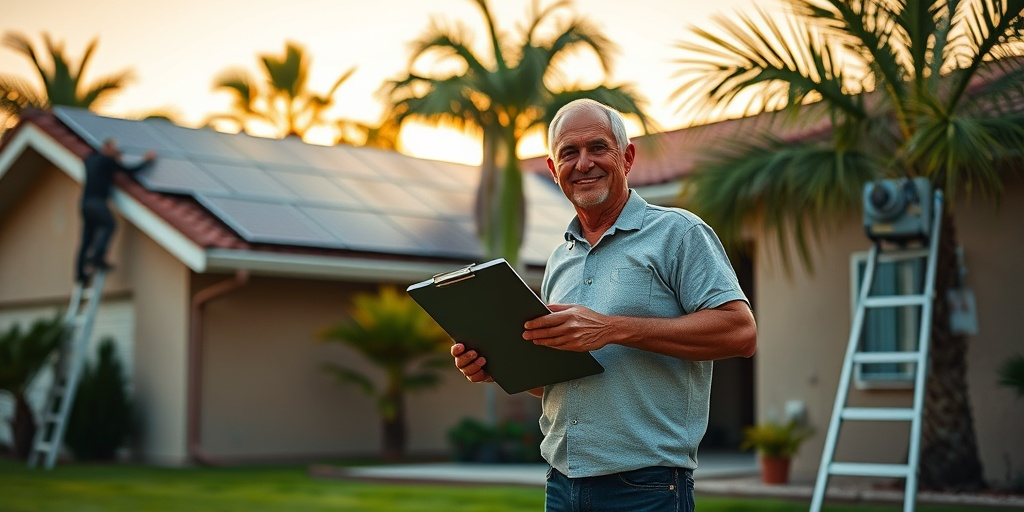
Are you aware that, according to the Solar Energy Industries Association, solar energy installations have increased by 167% over the last decade? If you’re a Florida homeowner or commercial property owner, this number is not just impressive; it’s a clear indication of the solar revolution unfolding—especially as we peek into 2025. Imagine slashing your electric bills while contributing to a cleaner environment. You might be wondering, “What are the best options for adopting solar energy?” This is where the discussion of grid-tied versus off-grid systems comes into play, and that’s exactly what we’ll explore in our blog titled Understanding Grid-Tied vs Off-Grid Systems: A Technical Deep-Dive.
With the looming uncertainties surrounding energy costs and the grid’s stability, deciding on the right solar setup has never been more urgent. In 2025, as federal incentives potentially change and electricity rates climb, knowing which system aligns with your lifestyle and energy needs is crucial. So, is your goal to produce all your electricity independently, or would you prefer to stay connected to the grid for reliability? In this guide, we’ll delve into the complexities of both systems, dissecting their pros and cons while equipping you with the technical knowledge needed to make an informed decision.
Here’s a preview of what we’ll uncover:
1. **An In-Depth Case Study**: We will illustrate how a fictional Florida homeowner navigates the choice between grid-tied and off-grid systems.
2. **Step-by-Step Checklist**: A guided framework that walks you through essential questions and considerations.
3. **Myth-Busting**: Debunking common misconceptions about solar systems and their performance.
4. **Local Insights**: Focusing on Florida’s unique energy landscape and policies affecting solar adoption.
5. **Technical Deep-Dive**: A meticulous breakdown of how grid-tied and off-grid systems function, including the technology behind them.
Exploring Grid-Tied and Off-Grid Systems: A Comprehensive Case Study
Meet the Gomez family, residents of sunny Orlando, Florida, who have always been conscious of their energy consumption. With rising electricity costs averaging $0.13 per kWh in Florida (Energy.gov), they decided it was time to consider solar energy. However, the question loomed: should they opt for a grid-tied system, or is an off-grid solution more suited to their needs?
After conducting some research, they learned that grid-tied systems offer the advantage of net metering, allowing them to sell excess solar energy back to the utility grid. This means they could maintain a connection to the grid while also reducing their dependence on fossil fuels. On the other hand, off-grid systems would provide complete energy independence, but they come with a higher initial investment and ongoing maintenance costs, including battery storage.
To help outline their decision, the Gomez family developed a checklist:
- Assess Energy Needs: How much energy do they consume? This was an essential first step.
- Consider Financial Aspects: How do the potential savings compare for each system?
- Evaluate Local Regulations: Are there incentives for grid-tied systems in Florida?
- Storage Solutions: Will they need battery storage with an off-grid system?
- Future Considerations: What are their long-term energy goals?
As they dug deeper, they discovered that myth #1 regarding solar panels—such as, “Off-grid is the only way to go green”—is misleading. While off-grid systems can provide complete energy independence, they require careful consideration of local conditions, functional appliances, and higher upfront costs. Studies show many Florida homeowners find grid-tied options a viable and often more affordable alternative (SEIA.org).
Once the checklist was complete, the family analyzed their energy bills and reached a decision: a grid-tied system was the most accommodating for their needs. With ample sunlight in Florida and favorable utility policies, they found peace of mind in continuing to connect to the grid while maximizing their solar savings.
In examining these systems, it’s important to understand the technology behind them. For grid-tied systems, solar panels work directly with the inverter to convert direct current (DC) to alternating current (AC), which powers the home. Any additional solar energy produced can be fed back into the grid. In contrast, off-grid systems rely on battery storage solutions, which maintain power during outages and provide energy at night, but require ongoing management and potentially more maintenance (SolarReviews.com).
As they reviewed their findings, the Gomez family appreciated the research they had conducted—the decision process was enlightening and fueled their determination to switch to solar energy. By implementing their knowledge about grid-tied vs. off-grid systems, they illustrated how critical having the right information can be when transitioning into solar. Moving forward, they felt more confident and prepaid their declaration with Florida Electric & Solar—a local trusted expert in helping homeowners make the best decision.
Essential Steps to Consider for Your Solar Installation
Making the leap into solar energy can feel overwhelming, but breaking it down into actionable steps can simplify the process. Here are essential factors to consider as you explore your options between grid-tied and off-grid systems.
- Step 1: Audit Your Energy Consumption – Review past energy bills to assess your average monthly energy usage. This data will provide a baseline for choosing the right system.
- Step 2: Research Available Incentives – Investigate state and federal incentives available in Florida for solar installations, as they can significantly affect your initial costs.
- Step 3: Contact Local Solar Providers – Engage with reputable solar companies like floridaelectricandsolar.com for personalized assessments and quotes.
- Step 4: Consider System Compatibility – Evaluate whether you want to remain connected to the grid or go fully off-grid. Each choice affects equipment needs, costs, and energy resilience.
- Step 5: Plan for the Long Term – Anticipate future energy needs as your household grows or changes. An installation designed for flexibility can offer long-term benefits.
Taking these steps ensures that you have a clear understanding of your goals and what to expect from the installation process. Remember that many Florida homeowners find grid-tied systems offer the best balance of benefits and costs. Evaluate your situation carefully; having a personalized plan is essential.
Abolishing Common Misconceptions about Solar Energy
As you dive deeper into your solar research, you may encounter various myths that could cloud your judgment about the best system for you. Let’s debunk some of those misconceptions while emphasizing why understanding your options is vital.
- Myth #1: Off-Grid Systems Are the Only True Solar Solution – While off-grid systems offer total independence, they come with complexities that may not suit every homeowner, especially in urban areas where grid access is readily available.
- Myth #2: Solar Panels Are Only for Warm Climates – In reality, solar panels can be effective in various climates, provided they receive adequate sunlight. They function even on cloudy days.
- Myth #3: Solar Energy Isn’t Economically Viable – On the contrary, a grid-tied solar system can reduce your energy bills significantly, and with available incentives, you may see a return on investment faster than expected.
- Myth #4: You Can’t Sell Excess Energy – Many states, including Florida, have net metering policies allowing homeowners to sell excess energy back to the grid, which can even lead to credits on your bills.
- Myth #5: Installation Requires Major Renovations – For most homes, solar panel installation is a straightforward process and does not require significant structural changes.
Understanding these myths can arm you with the knowledge to make an educated choice regarding solar energy solutions tailored to your needs. Florida homeowners specifically benefit from understanding local incentives and the feasibility of various systems.
Next Steps for Florida Solar Buyers in 2025
If you’re ready to explore the world of solar energy, it’s essential to take proactive steps toward adoption. Here’s a comprehensive action plan to guide your efforts:
- Step 1: Audit Your Electric Bills – Start by tracking your electric consumption patterns over the previous year. This information is critical for understanding your needs and budget.
- Step 2: Consult with Solar Experts – Seek out local solar providers like floridaelectricandsolar.com to gain insights tailored to your home, budget, and preferences.
- Step 3: Get Multiple Quotes – Obtain multiple proposals from installers to compare systems, warranties, and pricing structures. This will empower you to make an informed choice.
- Step 4: Review Financing Options – Understand financing opportunities available to you, such as leases, loans, and cash purchases, and how they influence your financial long-term goals.
- Step 5: Prepare for Installation – Once you’ve made a decision, work with your installation team to schedule and prepare for setup. Clear communication will facilitate a smooth transition.
By following these steps, you position yourself to make an informed, beneficial decision regarding solar energy for your home or business. 2025 could be transformative when it comes to energy independence for Florida homeowners. The time to act is now!
Conclusion: Embracing Your Solar Future
As we wrap up our technical deep-dive into Understanding Grid-Tied vs Off-Grid Systems, it becomes clear that solar energy offers Florida homeowners a path towards greater independence, financial savings, and sustainability. The choices between grid-tied and off-grid systems are nuanced, and understanding them empowers you to make decisions that align with your life, values, and future goals in the energy sector.
In understanding your energy needs and weighing your options carefully, you become equipped to choose the system that aligns most consistently with your lifestyle and aspirations. The solar landscape is evolving rapidly, and with it, the opportunities for cost savings and environmental responsibility. Making the right choice could yield benefits that last decades.
Are you ready to start your solar journey in 2025? Connect with a certified expert at floridaelectricandsolar.com today and take the first step towards energy independence!
Related Articles
More insights about Grid-Tied Systems

Grid-Tied vs Off-Grid Systems: What You Need to Know

Grid-Tied vs. Off-Grid Systems: The Essential Solar Comparison Guide

Technical Deep-Dive: Understanding Grid-Tied vs Off-Grid Solar Systems
Ready to Go Solar?
Have questions about solar energy? Our experts are here to help you make the switch to clean, renewable energy.