
Understanding Grid-Tied vs Off-Grid Systems: A Technical Deep-Dive
Share:
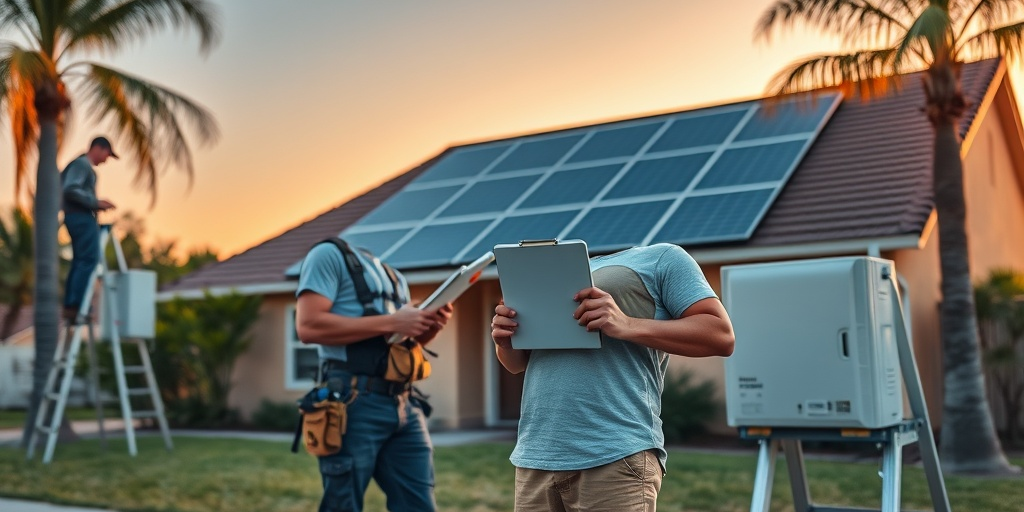
Imagine a Florida homeowner, Maria, standing in her yard as the sun sets behind the palm trees, a warm breeze rustling the leaves. Each month, she opens her electric bill and winces at the daunting figures; will she ever be free from these rising costs? The year is 2025, and Maria finally decides to take control of her energy future. If you’ve found yourself in a similar situation, you’re in the right place. This blog post, titled Understanding Grid-Tied vs Off-Grid Systems: A Technical Deep-Dive, will illuminate the path forward, helping you navigate your options in the solar landscape.
Did you know that Florida ranks fifth in the nation for solar installations, with over 1.5 million installed systems in 2023? It’s a testament to the accelerating shift towards renewable energy, driven by soaring electric prices that have risen by an alarming 31% since 2020 (Energy.gov). As we enter 2025, the demand for solar energy is higher than ever, fueled by increasing grid instability and the lure of generous state incentives. Understanding whether a grid-tied or off-grid solar system is suited for you can not only ease your financial burden but also enhance your lifestyle.
This blog will guide you through five vital sections: we’ll explore the differences between grid-tied and off-grid systems, share a compelling case study about a Florida family’s solar choice, bust some common myths surrounding solar installations, examine best practices for solar buyers this year, and finally, present actionable steps to prepare for your solar journey. Let’s dive in!
Grid-Tied vs Off-Grid Solar Systems: Making the Right Choice
Understanding the distinctions between grid-tied and off-grid systems is crucial for any Florida homeowner venturing into the world of solar energy. While both options harness the power of the sun, the way they operate and their respective benefits vary significantly.
Case Study: The Sanchez Family’s Solar Journey
Meet the Sanchez family, who were tired of unpredictable Florida storms affecting their electricity supply. After much research, they decided to invest in a solar system. They weighed their options, ultimately choosing a grid-tied solar system. This decision transformed their lives.
The Sanchez family’s grid-tied system, consisting of ten solar panels, allows them to produce excess energy during sunny days. If their system generates more electricity than they use, the surplus is sent back to the grid, earning them credits on their electric bill. This phenomenon, known as net metering, is prevalent in Florida and allows homeowners to effectively reduce their energy costs (SEIA.org).
In contrast, their neighbor, Mr. Thompson, invested in an off-grid system to ensure complete energy independence. Despite his extensive battery bank, he faced challenges during Florida’s unpredictable rainy seasons, often curtailing usage of high-demand appliances until the sun re-emerged.
Checklist for Making an Informed Decision
Assessing your own energy needs is essential to choosing the right solar system. Follow this 5-step checklist to narrow down your options:
- Step 1: Evaluate Your Energy Consumption – Review your electricity bills over the past year to determine your average usage.
- Step 2: Understand Your Financial Goals – Decide whether you want to minimize ongoing electricity costs, achieve complete energy independence, or both.
- Step 3: Research Local Incentives – Familiarize yourself with the solar incentives available in Florida, including tax credits and rebates.
- Step 4: Consult with Solar Experts – It’s vital to speak with professionals who can assess your property and provide tailored solutions.
- Step 5: Assess Environmental Considerations – Keep in mind the environmental impact of your decision, including energy sustainability and resource management.
Myth-Busting Common Misconceptions
Despite the growing acceptance of solar energy, several myths persist that can mislead homeowners. Let’s debunk a few of these:
- Myth #1: Solar Power Only Works in Sunny States – While sunny days are optimal, solar panels can still generate power on cloudy days, as they harness diffused sunlight.
- Myth #2: Off-Grid Systems Are Too Expensive – While the initial investment may be high, off-grid systems can offer long-term savings, particularly in areas with high utility rates.
- Myth #3: Solar Panels Require Constant Maintenance – Solar systems generally require minimal maintenance, mostly just cleaning and occasional inspections.
- Myth #4: You Cannot Sell Your Home with Solar Panels – In fact, homes with solar installations often sell faster and attract higher prices due to energy efficiency.
- Myth #5: Solar Energy Is Not Reliable – With advancements in battery technology and grid interconnection, solar energy has become more reliable than ever.
As we transition deeper into understanding grid-tied vs. off-grid systems, clarity about these misconceptions is crucial for informed decision-making.
The Technical Deep-Dive: Components of Solar Systems
Now, let’s examine the technical intricacies of both grid-tied and off-grid systems, focusing on key components: solar panels, inverters, batteries, and utility billing.
Grid-tied systems primarily rely on solar panels that convert sunlight to electricity, connected directly to the grid. This integration allows homeowners to sell excess energy back to the utility provider, offsetting costs. Florida’s net metering policy enables this arrangement, allowing for customer credits (DSIREUSA.org).
Off-grid systems, in contrast, often incorporate battery banks to store energy. This approach provides autonomy from the grid, which is appealing during hurricanes or extended outages. However, battery systems can increase installation costs significantly, and sizing the battery system correctly is paramount.
Understanding billing structures, including time-of-use rates and mandatory interconnections, is also vital. Grid-tied homeowners must familiarize themselves with how utility companies calculate savings to maximize financial benefits.
As you contemplate your solar journey, keep in mind Florida’s robust growth in solar installations, with more incentives likely to emerge in 2025. With over 2.89 gigawatts of installed solar generating capacity in 2023, the state’s solar future looks brighter than ever (SolarReviews.com).
5 Expert Solar Installation Tips for 2025
Deciding on a solar system is only the first step; ensuring a smooth installation is crucial. Here are five expert tips to optimize your solar experience:
- Don’t Skimp on Panel Placement – Ensure panels are placed where they receive maximum sun exposure without obstructions such as trees or roofs.
- Consider Future Expansion – Design your system with future energy needs in mind. You may wish to add more panels or batteries later.
- Invest in Quality Equipment – Quality solar modules and inverters can significantly impact system performance and lifespan; cheap alternatives can lead to overheating and failure.
- Conduct Regular Maintenance Checks – Schedule routine inspections with solar professionals to ensure your system is functioning optimally at all times.
- Stay Informed on Local Regulations – Florida’s solar policies and zoning laws can shift; keeping informed will help you stay compliant and maximize savings.
These tips pave the way for a successful solar journey, enhancing performance and longevity while facilitating a financially rewarding experience.
Narrative: A Florida Homeowner’s Solar Adventure
Let’s take a glance at James, a hypothetical Florida homeowner captivated by the prospect of solar. Struggling to keep up with his ever-increasing utility bills, James takes the plunge and installs a grid-tied solar system. A few weeks after installation, he starts to see his electric bills drop significantly.
But one stormy night, the power goes out as strong winds shake the house. James’s heart races; he had relied solely on the grid energy for years. However, proud of his solar system’s performance, he employs a battery backup he had decided to add during installation. This decision proves wise, as the batteries activate seamlessly, powering critical devices throughout the night.
In the days that follow, James is confident in his decision, knowing that he’s harnessing the abundant Florida sun while upholding environmentally responsible practices. Here’s what he discovered about solar energy’s advantages:
- Lower energy costs translate to increased disposable income.
- Independence from volatile energy prices provides peace of mind.
- A contribution to sustainability is a crucial motivator for homeowners.
- The aesthetic appeal of solar panels, when installed correctly, enhances property value.
With Florida’s dependable sunshine, James’s newfound energy freedom propels him to advocate for solar energy adoption among his friends and family.
Next Steps for Florida Solar Buyers in 2025
Now that you are equipped with the knowledge of grid-tied vs. off-grid systems, it’s time to take actionable steps to embark on your solar journey. Follow this checklist for success:
- Step 1: Audit Your Electric Bill – Analyzing your energy consumption patterns will provide insights about the best system for your needs.
- Step 2: Research Your Options – Evaluate local solar companies, their offerings, and reviews. Visit floridaelectricandsolar.com for insights.
- Step 3: Financing Your Solar System – Explore financing options, including solar loans and leasing agreements, to find what works best for your budget.
- Step 4: Permit and Installation Preparation – Ensure all local permits are secured, and select an installation schedule that minimizes disruptions.
- Step 5: Monitor Your System – After installation, regularly check your system’s performance and maintenance to maximize energy yield.
By breaking down this process, you can set yourself up for success while embracing a sustainable energy future in Florida.
In conclusion, the decision to invest in solar energy is more than just financial; it represents a commitment to environmental sustainability and energy independence. With a deep understanding of the nuances between grid-tied and off-grid systems and the knowledge you’ve gained today, you’re well-equipped to make informed decisions in the solar landscape. Be proactive and take control of your energy future—consider the options that suit your needs best.
The urgency for homeowners in Florida is palpable as we transition into 2025. Embracing solar energy may not only reduce costs; it may also protect against the reality of rising utility rates. This decision matters for your finances, your family, and the generations to come. Are you ready to start your solar journey in 2025? Connect with a certified expert at floridaelectricandsolar.com today.
Related Articles
More insights about Grid-Tied Systems

Grid-Tied vs Off-Grid Systems: What You Need to Know

Grid-Tied vs. Off-Grid Systems: The Essential Solar Comparison Guide

Technical Deep-Dive: Understanding Grid-Tied vs Off-Grid Solar Systems
Ready to Go Solar?
Have questions about solar energy? Our experts are here to help you make the switch to clean, renewable energy.