
Understanding Solar Panel Installation for Off-Grid Solutions Explained
Share:
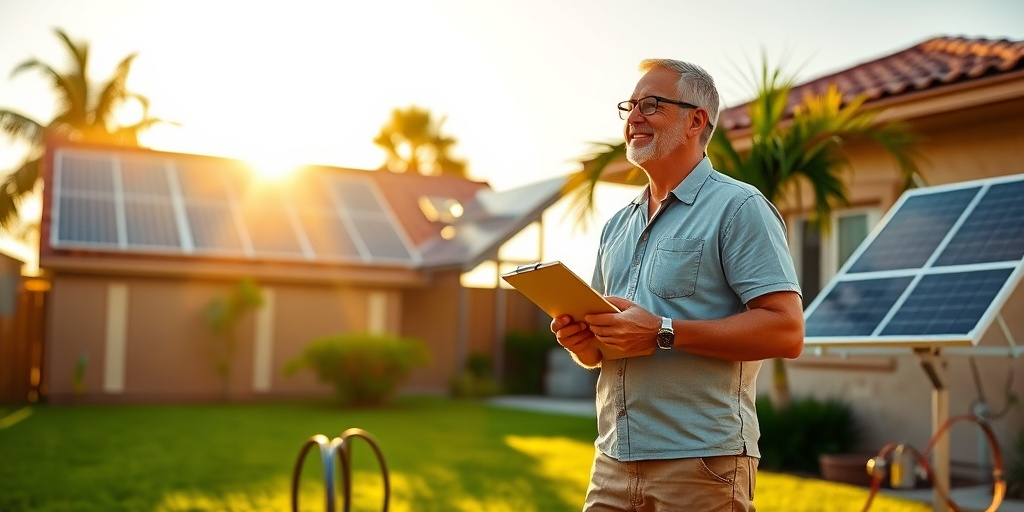
In the vibrant sunshine of Florida, homeowners and business owners alike are witnessing a paradigm shift. Did you know that Florida ranks 2nd among all U.S. states for solar capacity installed in 2021? Or that by 2025, the state is expected to produce more than 22 megawatts of solar power from large customary installations? With energy costs on the rise and an increasing urgency for sustainability, understanding solar panel installation for off-grid solutions explained has never been more critical. As the demand for energy independence surges amid potential grid instabilities, Florida homeowners are presented with a prime opportunity to harness the sun’s power and enhance their home energy systems. Whether you’re curious about solar panels, inverters, batteries, or how going off-grid works, this guide will provide you with essential insights to boost your system’s performance and establish a path toward energy autonomy.
In this extensive article, we will explore five key areas that are crucial for your solar transition in 2025: the unique challenges and solutions involved in going off-grid, actionable checklists to simplify the solar installation process, common myths debunked, localized considerations for Florida residents, and an in-depth technical analysis of various system components that make up a solar energy solution.
By the time you finish reading, you’ll not only understand the intricacies of off-grid solar installation but also feel empowered to take the next steps toward energy independence and financial savings. Let’s dive in.
Understanding Off-Grid Solar Installation: A Comprehensive Guide for Florida Residents
Consider the case of a Florida homeowner named Maria. After facing exorbitant electricity bills and frequent outages during hurricane season, she decided to explore renewable energy options. Maria’s journey into the world of solar panel installation for off-grid solutions revealed both challenges and remarkable opportunities.
When she began her research, she encountered various barriers. The local Solar Consumption Rate (SCR) varied greatly among providers in her area. Establishing what configurations of panels and batteries worked best for her family’s needs proved perplexing, especially when coupled with the evolving Florida solar policies. With a clear vision and a well-structured plan, Maria efficiently navigated through these hurdles. She utilized a detailed checklist to design her solar panel installation, ensuring each step was clear and actionable.
Here’s a quick checklist she adopted during her planning phase:
- Research Solar Technologies: Understand the types of solar panels (monocrystalline, polycrystalline, or thin-film) to identify the best fit for your property. The average life of a solar panel is approximately 25 years (SolarReviews.com).
- Analyze Your Energy Needs: Calculate daily energy consumption, taking into account appliances, lighting, and other electrical loads.
- Explore Financing Options: Investigate available grants and tax incentives, which can lower the overall cost of installation (DSIREUSA.org).
- Consult Installation Experts: Reach out to certified solar installers who specialize in off-grid systems to receive tailored advice.
- Consider Permitting and Regulations: Familiarize yourself with local codes and regulations, which are essential for compliance when installing solar systems in Florida.
But Maria’s success story wouldn’t have materialized without understanding some common myths surrounding solar energy. Let’s debunk these misconceptions and replace them with truth.
Myth #1: Solar power is only effective in sunny conditions.
Reality: Solar panels can still generate energy on cloudy days. In fact, many panels can produce energy even in low light conditions, making them effective throughout the year (Energy.gov).
Myth #2: Going off-grid is too expensive and complicated.
Reality: While the initial investment can be significant, long-term savings, federal tax incentives, and state rebates can make it a feasible investment over time (NREL.gov).
Myth #3: All solar panels are the same.
Reality: There are significant differences in efficiency, durability, and warranty among different panels. Choosing the right solar technology is crucial for maximizing your investment.
Myth #4: Batteries are not necessary for off-grid setups.
Reality: Battery storage is essential for ensuring a continuous energy supply, especially when sunlight is scarce.
Myth #5: Solar energy weighs heavily on the environment.
Reality: Solar systems have a minimal ecological footprint once installed and can drastically reduce your carbon emissions over time (SEIA.org).
As we peel back the layers of myths, we understand how vital it is to focus on localized factors specific to Florida. Florida’s incentives, lengthy sunlight hours, and favorable weather conditions create an ideal landscape for solar energy consumption.
To explore the diverse types of solar panels, battery options, inverters for performance optimization, and effective billing systems, we will guide you further into the technical depths of solar panel installation. These insights will empower your journey to energy independence as we explore further below.
The Essential Components of an Off-Grid Solar Power System
When considering solar panel installation for off-grid solutions, understanding the critical components of a solar power system is invaluable. At its core, an off-grid solar system typically consists of solar panels, an inverter, a charge controller, and battery storage. Each component plays a vital role in maximizing energy efficiency and ensuring long-term performance.
Here is a breakdown of the essential components along with their functions:
- Solar Panels: Solar panels convert sunlight into electricity. Options include monocrystalline, polycrystalline, and thin-film panels. Researching the long-term warranties and efficiencies of each type is essential, as these factors will affect your savings over the years.
- Inverter: An inverter transforms the direct current (DC) produced by solar panels into alternating current (AC) utilized by household appliances. Selecting a high-quality inverter that matches your portion of energy needs is crucial for system effectiveness.
- Charge Controller: A charge controller optimizes charging the batteries and prevents overcharging, enhancing the lifespan of your storage solutions. Various types include PWM and MPPT charge controllers, with the latter being more efficient.
- Batteries: Battery storage is essential for an off-grid solar system. Lithium-ion and lead-acid batteries are common options, with lithium batteries offering longer life and fewer maintenance requirements.
In selecting these components, be guided by your unique energy requirements and local factors. In Florida, with its abundant sunshine, accurate panel placement and proper orientation can profoundly affect energy production. Optimizing your system based on how much sun your location receives daily is crucial for effective system utilization.
Additionally, Florida’s net metering policies can support residents who are connected to the grid. Net metering allows excess energy produced during the day to be fed back to the grid, which can be credited toward future electricity bills (SEIA.org).
Furthermore, installing monitoring software will help track your energy production and consumption in real-time. This allows for effective maintenance and spotting inefficiencies in your system early on.
Transitioning from understanding these components, let’s focus on best practices for a successful solar installation.
5 Expert Tips for Successful Solar Panel Installation in 2025
Ready to embark on your solar journey? Here are five expert tips that would set you on the path toward a successful solar installation in Florida:
Tip #1: Don’t Skimp on Panel Placement
Poorly positioned solar panels can drastically reduce system efficiency. Ensure panels are installed in areas with maximum sun exposure. Prioritize south-facing roofs for optimal production throughout the day.
Tip #2: Invest in a High-Quality Inverter
Your inverter plays a significant role in energy conversion and overall system efficiency. Look for inverters that offer warranties of 10 years or more and consider including power optimization technologies to enhance energy output.
Tip #3: Consider Energy Storage Solutions
Pair your system with a robust energy storage bank to ensure power availability during non-sunny periods. Given Florida’s annual humidity levels, lithium-ion batteries can be effective long-lasting options.
Tip #4: Regular Maintenance is Key
Perform routine inspections to clean your solar panels and check connections. Neglecting maintenance can lead to reduced efficiency and unnecessary repair costs.
Tip #5: Maximize your Financial Incentives
Stay informed about local, state, and federal rebates tailored for solar installations. Tax credits such as the Federal Solar Investment Tax Credit can significantly reduce upfront costs, making your investment more viable.
By adhering to these tips, you’ll be positioned to take full advantage of the solar energy revolution in Florida. Your proactive approach will empower you to cut electric bills and maximize solar savings, while protecting our planet for future generations.
Next, we will expand our narrative and dive into a fictional yet realistic solar journey of a Florida family who successfully transitioned to off-grid solar.
A Solar Journey: The Rodriguez Family’s Path to Off-Grid Living
Meet the Rodriguez family: Proud Florida residents who lived in a modest home in Orlando. For years, they noticed their monthly electricity bills steadily climbing, even as they made various efforts to reduce consumption. The combination of rising energy costs and fears of outages during hurricanes left them pondering energy independence. They soon began their journey to solar power and never looked back.
After months of research and planning, they decided to go off-grid. They found themselves empowered by the knowledge they’d gained about solar panel installation for off-grid solutions explained. Here’s a summary of their process that may inspire your own journey:
- Step 1: Assessing Energy Needs: Understanding their daily energy consumption through meticulous tracking made it easier to size the system correctly.
- Step 2: Choosing the Right Equipment: They invested in high-quality monocrystalline panels tailored for their energy output requirements and paired them with a reliable inverter and battery storage system.
- Step 3: Engaging the Right Installers: The Rodriguez family didn’t just choose any solar installer, they researched licensed professionals and verified past work before finalizing their decision.
- Step 4: Financing & Getting Incentives: Through Florida’s effective solar incentive programs and federal rebates, they significantly lowered their costs.
Today, the Rodriguez family enjoys unparalleled energy independence. No longer do they receive unexpectedly high electricity bills, and they feel a sense of safety knowing they won’t be left without power during storms. Plus, they’re playing their part in reducing their carbon footprint.
According to the National Renewable Energy Laboratory, Florida generates about 21% of its electricity from renewable energy sources (NREL.gov). This fact supports the ongoing transition toward a sustainable future, which the Rodriguez family thoughtfully contributes to through their decision to go solar.
Now that we’ve explored their narrative, let’s prepare a detailed action plan tailored for Florida solar buyers in 2025.
Next Steps for Florida Solar Buyers in 2025
If you’re ready to embrace the benefits of solar energy, follow this actionable 5-step plan tailored for Florida residents looking to implement off-grid solar systems:
- Step 1: Audit Your Electric Bill
Take time to analyze your monthly electric bills over the past year. Understand your average usage and identify peak usage months. This knowledge will inform the size of your solar system during planning. - Step 2: Research and Choose Your Solar Provider
Investigate local solar companies to find trusted installers with good reputations and positive customer feedback. Ensure they’re familiar with Florida’s unique regulations. - Step 3: Design Your Solar System
Work closely with your chosen installer to customize a solar energy system that meets your unique energy needs, utilizing the most effective configurations for efficiency tailored to Florida’s sunlight. - Step 4: Obtain Permits and Financial Options
Ensure you receive all necessary permits and approvals. Research available grants, tax credits, and financing options to lower upfront costs accordingly. - Step 5: Monitor and Maintain Your System
Once installed, actively monitor your system’s performance using smart monitors. Schedule routine maintenance to keep your panels in optimal condition minimizing downtime and maximizing profit.
By following these next steps, you can confidently navigate your solar journey, ensuring a smooth installation process from start to finish. If you wish to learn more about solar technologies or financing options, connect with a certified expert at floridaelectricandsolar.com.
In conclusion, the journey toward understanding solar panel installation for off-grid solutions is not merely about technology but also about making empowered decisions in the face of rising energy costs and environmental concerns. As illustrated in the stories and tips above, this choice carries benefits that reach beyond the solar panels themselves. It paves the way towards financial savings, self-sufficiency, and contributing to a sustainable future.
The urgency to make this decision is clear: the right time to transition to solar energy is now. It allows you to gain control over your energy consumption and build a sustainable future for you and your family. Ready to start your solar journey in 2025? Connect with a certified expert at floridaelectricandsolar.com today.
Related Articles
More insights about Solar Panel

Florida Homeowners: Why Solar Panel Maintenance Is Essential

7 Essential Steps for Solar Panel Installation Success

Expert Insights: Key Factors Influencing Solar Panel Lifespan
Ready to Go Solar?
Have questions about solar energy? Our experts are here to help you make the switch to clean, renewable energy.