
Understanding Solar Panel Lifespan: A Technical Deep-Dive
Share:
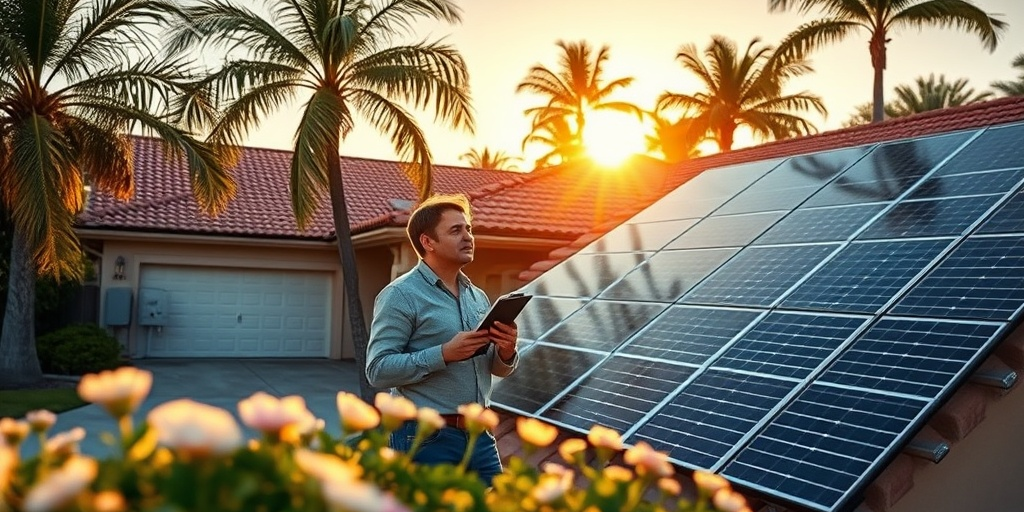
Did you know that the average lifespan of solar panels is around 25 to 30 years, but this can vary dramatically based on several critical factors? As homeowners in Florida are increasingly looking to solar energy solutions in 2025, understanding the intricacies of solar panel lifespan is paramount. In our blog titled “Understanding Solar Panel Lifespan: A Technical Deep-Dive,” we will explore the vital elements that influence how long your solar investment will truly pay off. In fact, according to the Solar Energy Industries Association (SEIA), solar energy deployment has increased by over 167% in just the last five years (SEIA.org), highlighting a robust market that benefits from longevity and reliability. Additionally, the National Renewable Energy Laboratory (NREL) reports that the performance of solar panels can degrade by about 0.5% per year, necessitating careful consideration for Florida homeowners (NREL.gov).
Why does this topic hold urgent significance in 2025? With rising energy costs, shifting government incentives, and increasing awareness of climate change, investing in solar energy represents not just a financial decision but also an ethical commitment to a sustainable future. As you embark on this journey, it’s crucial to fully understand the lifespan of the solar panels you may choose to install. Over the next sections, we will thoroughly dissect this topic covering five key areas: a detailed case study focusing on a Florida family’s solar experience, an actionable checklist for prospective buyers, a myth-busting segment to clarify misconceptions, a local focus on Florida-specific statistics, and finally, an in-depth technical look at solar panels and their components.
Unpacking Solar Panel Lifespan: The Critical Factors
To truly grasp the dynamics of solar panel lifespan, let’s dive into a compelling narrative—a case study featuring the Garcia family from Orlando, Florida. When the Garcias installed their solar panels in 2020, they were hopeful. They dreamed of slashing their energy bills while doing their part to combat climate change. However, they also faced skepticism from family and friends who questioned solar energy’s reliability. After two years, the Garcias witnessed their first real taste of success: a significant reduction in their electricity costs, with savings of over $1,500 in their first year alone.
By analyzing their investment, we can identify key factors that influence a solar panel’s longevity:
- Type of Solar Panels: The Garcias opted for high-efficiency monocrystalline panels, which typically last longer than their polycrystalline counterparts.
- Installation Quality: They hired certified local contractors, ensuring proper installation and a warranty that covered performance guarantees.
- Environmental Factors: Florida’s sunny climate can both positively and negatively impact panel performance, so the Garcias monitored their system regularly.
- Maintenance Practices: Regular cleaning and inspections became part of their routine, addressing potential debris that could diminish efficiency.
Here’s a checklist of actionable steps homeowners should consider, just as the Garcias did, to optimize their solar investment:
- Step 1: Research different panel types to understand their efficiency and longevity.
- Step 2: Select a reputable installer who offers warranties and post-installation support.
- Step 3: Consider the climate and its effect on panel performance; Florida’s heat can impact degradation rates.
- Step 4: Schedule regular maintenance to keep your system in top shape.
- Step 5: Monitor your energy production and consumption to ensure optimal performance.
While many believe solar energy is simply a one-time purchase, it embodies ongoing commitment and awareness. The Garcias’ journey exemplifies that success happens when home and solar technology coexist harmoniously. Let’s clear the air by examining some common myths concerning solar panel lifespan.
Busting Common Myths About Solar Panel Lifespan
Despite the rising popularity of solar energy, misconceptions persist. Here are a few myths, dissected and debunked, to clarify the real stakes involved:
Myth #1: Solar Panels Are Not Worth the Investment
Some skeptics argue that the upfront cost of solar panels outweighs the long-term savings. However, data indicates that solar panel installations can yield a return on investment (ROI) of up to 20%, depending on energy savings and tax incentives (Energy.gov).
Myth #2: Solar Panels Lose Their Efficiency Too Quickly
Critically, most modern panels only degrade about 0.5-1% per year in efficiency, meaning they remain effective long after the initial installation (SolarReviews.com).
Myth #3: All Panels Have the Same Lifespan
In reality, there are varied lifespans influenced by the type of solar panel. Monocrystalline panels, the “Cadillac” of solar panels, tend to last significantly longer than others (SEIA.org).
Myth #4: Solar Batteries Are Unnecessary
While not mandatory, batteries can dramatically enhance the utility of solar systems, providing energy storage that can be tapped during peak usage times or outages (NREL.gov).
Myth #5: Warranty Length Ensures Longevity
While warranties do provide a safety net, they only cover certain problems. Regular maintenance and efficient installations are critical to ensure longevity (Energy.gov).
Understanding these myths empowers Florida homeowners to make informed decisions. Next, let’s focus on how particularly Florida-specific regulations and conditions can impact the lifespan and performance of your solar system.
Florida Focus: State Regulations and Conditions Impacting Lifespan
Florida’s unique climate and regulations greatly influence solar energy adoption and longevity. Here’s what every Florida homeowner should know:
- Solar Access Laws: Florida law mandates that homeowners cannot be restricted from solar installations due to HOA rules.
- Incentives: The state offers substantial tax incentives and rebates, significantly reducing the cost to install solar systems, which can affect purchasing decisions.
- Climate Resilience: An understanding of the typical weather patterns in Florida—including heavy rain and storms—is essential for optimal installation and placement.
- Monitoring & Maintenance: Continuous monitoring can identify degradation earlier, allowing for prompt response rather than waiting for substantial losses (DSIREUSA.org).
Statistics indicate that Florida ranks third in the nation for solar capacity, overcoming challenges and embracing solar as a viable energy source. According to the Florida Solar Energy Center, over 90,000 solar systems were installed in the past year, directly contributing to the energy independence of countless residents (Florida Solar Energy Center).
Technical Deep-Dive: Understanding Solar Components
The longevity of solar panels is intrinsically tied to the quality of the components within them. To better understand this, let’s look at the critical parts of a solar energy system:
- Solar Panels: Composed of photovoltaic cells, the quality of these cells determines efficiency and warranty claims.
- Inverters: This component converts the generated DC electricity to usable AC electricity; selecting high-quality inverters can influence lifespan.
- Mounting Systems: Ensure that panels remain adequately secured against environmental elements.
- Monitoring Systems: Advanced systems provide real-time data, allowing homeowners to track energy production as well as identify issues before they escalate.
Prioritizing the selection of high-quality components can ultimately maximize the lifespan of your investment. The panel’s degradation varies substantially among manufacturers, and booking installations with reputable companies can provide the additional security of knowing you’re protected. Now let’s expand on practical best practices for solar installations in Florida.
5 Expert Solar Installation Tips for 2025
As the solar energy landscape evolves, it’s essential to stay ahead of the curve. Here are five expert tips to enhance the longevity and performance of your solar system:
- Choose the Right Installer: Ensure your installation team has the necessary certifications and experience in Florida’s specific conditions.
- Consult Energy Auditors: Understanding your home’s energy needs can tailor your system’s capacity and efficiency.
- Market Research: Price shopping is critical; however, consider the balance between cost and quality when selecting your panels.
- Adjust Panel Placement: Roof angle, direction, and shade from trees can dramatically impact efficiency—do not overlook these factors.
- Plan for the Future: Consider battery storage solutions for increased energy independence as technology continues to advance.
By implementing these tips, homeowners not only ensure the efficacy of their solar panels but also position themselves for a sustainable future. Notably, a careful approach toward solar energy can lead to significant savings while decreasing one’s carbon footprint.
Next Steps for Florida Solar Buyers in 2025
In light of everything discussed, here’s a straightforward action plan to keep you on track:
- Step 1: Audit Your Electric Bill: Reviewing past bills can help pinpoint how much you can save by switching to solar.
- Step 2: Research Local Installers: Narrow down the top-rated installers in Florida by checking reviews and local ratings.
- Step 3: Get Multiple Quotes: Even with reputable companies, it pays to compare prices and service offerings.
- Step 4: Familiarize Yourself with State Benefits: Understand federal and state incentives and how they can materially affect costs.
- Step 5: Schedule an Installation Date: Initiate the planning process and schedule your installation at a time that aligns with your financial and lifestyle goals.
By systematically addressing each step, Florida homeowners can transition smoothly to renewable energy while maximizing savings. For more comprehensive guidance on your solar journey, lean on local experts.
Wrapping It Up: The Future of Solar Power in Florida
In conclusion, understanding the factors affecting solar panel lifespan is essential for every homeowner contemplating this investment. By closely examining the Garcia family’s experience and demystifying myths surrounding solar longevity, we’ve illuminated the path forward for Florida residents.
This decision not only impacts your household but also contributes to a larger eco-friendly movement aimed at sustainable energy sources. As energy costs continue to rise and climate challenges worsen, prioritizing solar will become an even more critical decision for the future of your family and your finances.
Ready to start your solar journey in 2025? Connect with a certified expert at floridaelectricandsolar.com today.
Related Articles
More insights about Solar Panel

Florida Homeowners: Why Solar Panel Maintenance Is Essential

7 Essential Steps for Solar Panel Installation Success

Expert Insights: Key Factors Influencing Solar Panel Lifespan
Ready to Go Solar?
Have questions about solar energy? Our experts are here to help you make the switch to clean, renewable energy.