
Understanding Solar Panel Lifespan: What Homeowners Need to Know
Share:
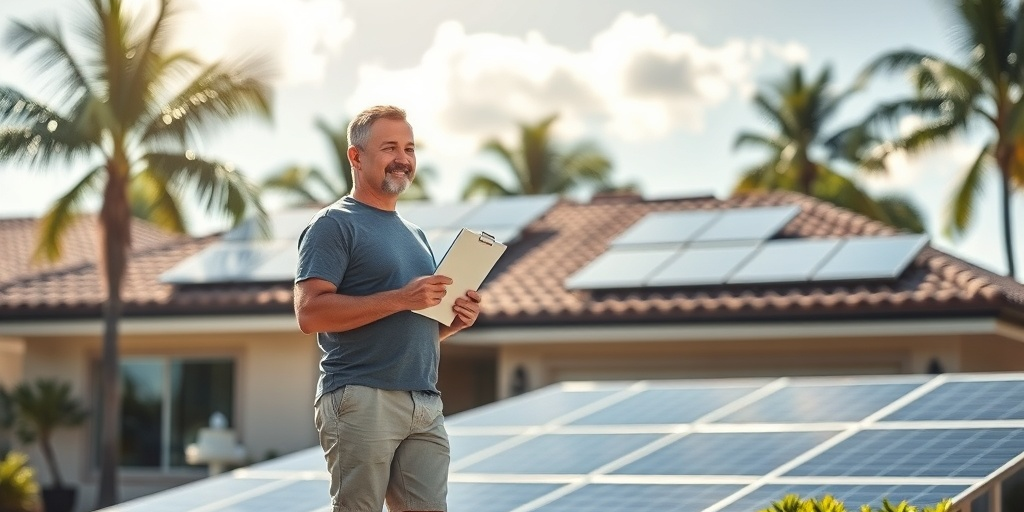
Did you know that solar panels have a lifespan of about 25 to 30 years, but many homeowners don’t fully understand what that means for their investment? In Florida, where the sun shines brightly for most of the year, embracing solar energy can lead to significant savings on your electric bills and contribute to a cleaner environment. However, many homeowners still harbor misconceptions about the longevity and maintenance of solar power systems. In “Understanding Solar Panel Lifespan: What Homeowners Need to Know,” we will uncover essential details about the lifespan and maintenance of solar panels, empowering you to make informed decisions. In 2025, with rising energy costs and stricter sustainability regulations, understanding solar panel lifespan has never been more urgent. Did you know that Florida accounted for over $1 billion in solar investments last year alone (SEIA.org)? As we delve into this matter, you’ll gain insights into five important areas: a technical deep dive into solar technology, common myths debunked, best practices for installation, real-life homeowner experiences, and actionable steps for your solar journey.
Unpacking the Lifespan of Solar Panels: What Every Homeowner Should Know
Let’s start with a case study that illustrates the importance of understanding solar panel lifespan. Meet Sarah, a typical Florida homeowner who installed solar panels on her roof two years ago. She chose a reputable solar company, trusting that her investment would yield savings and efficiency for years to come. However, she later discovered that she was misinformed about the optimal maintenance practices needed to prolong the life of her solar array. What could have been a painless harvest of renewable energy quickly turned into a headache when her system’s performance diminished due to lack of care. Last year, a study indicated that solar systems that underwent regular professional inspection provided up to 30% more efficiency over time compared to neglected installations (NREL.gov). How do you avoid falling into the same trap?
To ensure maximum efficiency and longevity of your solar power system, follow this checklist:
- Step 1: Research Quality and Reliability
- Step 2: Schedule Regular Inspections
- Step 3: Maintain Cleanliness
- Step 4: Stay Informed on Policy Changes
- Step 5: Monitor Performance Regularly
Prioritize the selection of high-efficiency panels, inverters, and batteries from reputable manufacturers to avoid early deterioration.
Having a professional inspect your system at least once a year can prevent minor issues from escalating into costly repairs.
Dust, debris, and bird droppings can significantly reduce solar panel efficiency. Regular cleaning enhances performance.
State regulations on solar energy may change, impacting your financial savings.
Check resources like floridaelectricandsolar.com for updates.
Keep track of your energy production statistics to spot any discrepancies quickly.
Now, it’s time to debunk some common myths that surround solar panel lifespan.
Myth-Busting: Common Misunderstandings About Solar Panels
- Myth #1: Solar panels stop producing electricity after 20 years.
- Myth #2: You don’t need to maintain solar panels.
- Myth #3: All solar systems perform poorly in cloudy weather.
- Myth #4: Solar panels are too expensive for Florida homeowners.
- Myth #5: Once installed, solar panels are entirely “set and forget.”
Fact: While solar panels are typically rated to produce electricity for 25-30 years, they often continue to generate energy, albeit at a reduced efficiency level.
Fact: Regular maintenance is crucial for achieving optimal efficiency. Without it, yield can decrease over time.
Fact: Solar panels can still generate significant electricity on cloudy days; efficiency does reduce, but not eliminate power generation.
Fact: The initial costs are often offset by savings on energy bills and available incentives; plus, Florida’s solar market is rapidly growing, making it more affordable than ever.
Fact: Homeowners need to monitor performance and maintain cleanliness regularly to ensure smooth operation.
In exploring these myths, we can see how essential it is to be well-informed as a solar system owner, particularly in Florida where new policies on solar energy are emerging. From tax credits to local incentives, capitalizing on current opportunities is vital to enhancing your investment.
Expert Tips for Best Practices in Solar Installation
Ready to take the plunge into solar energy? It’s essential to equip yourself with expert knowledge before installation to maximize the lifespan and benefits of your system. Below are five tips for ensuring your solar installation goes smoothly:
- Tip #1: Optimal Location – Position your panels to avoid shading from trees or other structures to collect as much sunlight as possible. This placement dramatically affects your solar energy efficiency.
- Tip #2: Utilize High-Quality Components – Choose panels that have a good warranty and are made of durable materials that withstand Florida’s extreme weather.
- Tip #3: Understand Your Energy Needs – Assess your previous energy usage to size your system adequately. This gives you a clearer picture of the energy output you need.
- Tip #4: Engage Qualified Professionals – Work only with licensed installers who have positive reviews. Their expertise can save you headaches in the future.
- Tip #5: Stay Updated with Technology and Regulations – Advances in solar technology and changes in policy can impact the utility of your system—always keep informed.
In Florida, homeowners investing in solar energy can benefit tremendously from understanding not only the technology itself but also the incentives available. A recent report indicates that Florida now ranks third in the U.S. for solar installations (SEIA.org), underscoring the importance of this growing industry. Armed with knowledge, the decision to go solar becomes less daunting.
A Case Study: Real-Life Solar Experiences in Florida
Meet John and Lisa, a couple residing in Orlando who decided to transition to solar energy in 2025. Excited about the prospect of owning their electricity, they installed an array of solar panels on their rooftop. However, they quickly realized the importance of understanding the finer details associated with solar panel upkeep. After receiving guidance on routine maintenance and performance monitoring, their system proved to be a valuable asset. They still consistently generate substantial savings on their energy bills. Here are four critical reflections they shared about their journey:
- Homeowner Insight #1: Invest in high-quality installation for long-term success.
- Homeowner Insight #2: Routine maintenance checks can identify issues early, preventing costly breakdowns.
- Homeowner Insight #3: Understanding local incentives can significantly lower initial costs.
- Homeowner Insight #4: Monitor your energy savings diligently; it’s reassuring to see real-time data supporting your investment.
With such testimonials, it is clear that becoming a part of Florida’s solar community can lead to both environmental benefits and significant savings. With an industry-wide average of 18% annual growth expected through 2026, buying solar panels today is a forward-thinking choice (Energy.gov).
Next Steps for Florida Solar Buyers in 2025
Feeling motivated by all this information? You’re not alone! Here’s how you can take actionable steps towards installing solar:
- Step 1: Audit Your Electric Usage – Review past energy bills to understand your consumption patterns; this helps gauge how much solar you’ll need.
- Step 2: Research Local Installation Companies – Look for licensed and certified solar installers with good customer reviews in your area.
- Step 3: Investigate Financing Options – Explore local and state incentives, rebates, and financing programs, making the upfront investment more feasible.
- Step 4: Schedule an Installation – Once you feel confident, book an installation with a selected vendor.
- Step 5: Monitor Your System’s Performance – Check your solar output consistently to ensure that everything operates smoothly.
As you embark on this exciting journey forward, don’t miss out on the remarkable savings opportunities and green energy benefits. For more information and resources, visit floridaelectricandsolar.com.
Conclusion
As we’ve journeyed through the intricacies of solar panel lifespan, it’s clear that knowledge is power. By understanding the average lifespan of your solar investment, maintenance practices, and common myths, you position yourself for long-term success and savings. In a rapidly evolving energy landscape, making informed choices is vital. Florida homeowners, now is the time to take control of your energy future! The statistics we’ve discussed today reinforce the significance of solar energy—especially as we look towards 2025 and the benefits available to early adopters. Protect your investment, embrace renewable energy, and ensure your family enjoys clean, sustainable power for years to come.
Ready to start your solar journey in 2025? Connect with a certified expert at floridaelectricandsolar.com today.
Related Articles
More insights about Solar Panel

Florida Homeowners: Why Solar Panel Maintenance Is Essential

7 Essential Steps for Solar Panel Installation Success

Expert Insights: Key Factors Influencing Solar Panel Lifespan
Ready to Go Solar?
Have questions about solar energy? Our experts are here to help you make the switch to clean, renewable energy.