
The Essential Guide to Understanding Solar Panel ROI Breakdown
Share:
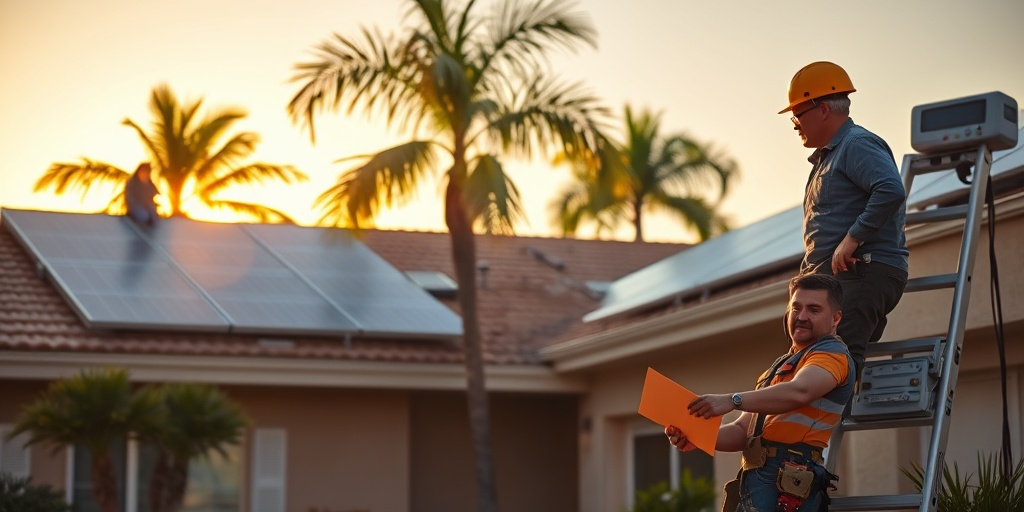
In 2025, one crucial financial question will resonate among Florida homeowners and commercial property owners alike: “Is converting to solar energy a savvy investment?” This inquiry is not just an idle musing; it becomes a significant decision as local energy costs rise, projected to increase by as much as 3-4% annually (Energy.gov). Understanding the nuances of solar ROI breakdown is essential for any property owner looking to embrace renewable energy in a state blessed with abundant sunshine. Welcome to The Essential Guide to Understanding Solar Panel ROI Breakdown, where we will explore the financial landscape of solar investments, providing you with actionable insights to help make your solar journey informed and economically sound. Most notably, as Florida continues to enhance its solar incentives, it has ranked in the top 5 states for solar installations—a testament to the market’s robustness (SEIA.org).
The urgent matter of rising energy costs, the availability of new solar tax incentives, and the crucial need to protect your home and business from grid instability all contribute to the pressing need for informed decisions regarding solar installation in 2025. In this guide, we will navigate five crucial sections outlined below to enrich your understanding of solar ROI, enabling you to make well-informed choices:
- Case Study: The Solar Journey of a Florida Homeowner
- Essential Checklist for Solar ROI Assessment
- Common Myths About Solar Investment
- Local Focus: Fluctuations in Florida’s Solar Market
- Technical Deep-Dive: Analyzing Your Solar System’s Performance
Case Study: The Solar Journey of a Florida Homeowner
Imagine Mary, a middle-aged homeowner in Orlando, whose soaring electric bill has become a source of frustration. Last summer, during the peak of Florida’s heat, her utility bill reached an astounding $300. Determined to find relief, Mary sought answers and discovered the potential of solar energy. Despite initial hesitations and skepticism about solar savings, she decided to reach out to Florida Electric & Solar for an estimate. This decision marked the beginning of her enlightening journey into solar energy.
After an in-depth assessment of her home and energy consumption, Florida Electric & Solar quantified her potential solar ROI. The projections were astounding: with the installation of a 10 kW solar panel system, Mary could cut her electric bill down to around $40 a month! With the applicable federal tax credit of 26%, Mary’s estimated total savings were projected at over $25,000 over the lifespan of the system (SolarReviews.com).
To ensure Mary and other homeowners understand the financial implications, it’s essential to consider a few important metrics assessing the return on investment when going solar:
- Payback Period: How long it takes for your savings to equal your initial investment.
- Incentives and Rebates: Utilities and government incentives that can drastically reduce installation costs.
- Electricity Rate Increases: Ongoing increases in utility costs that amplify the savings from your solar installation.
This case study highlights the transformative potential of solar investment for Florida homeowners, as seen through Mary’s experience. By taking a proactive leap into solar energy, she joined the thousands who are maximizing their savings and embracing sustainability.
The next section will guide you through the essential steps to evaluate your financial benefits from solar energy considering both local and state-centric nuances.
Essential Checklist for Solar ROI Assessment
Are you ready to assess your return on investment from solar energy accurately? Proper evaluation lays the groundwork for maximizing your solar savings. Below is a checklist designed to help you navigate the ROI landscape, ensuring you make the most informed decisions.
- Step 1: Audit Your Electric Bill
Start by assessing your current utility costs. Look for usage patterns and peak times, as these insights will influence how much you can save with solar panels. - Step 2: Calculate Your Home’s Solar Potential
Use solar calculators from trusted resources to estimate how much energy your system might generate based on roof size and sunlight exposure. - Step 3: Investigate Local Incentives
Differentiate between federal, state, and local incentives available for solar installations. In Florida, the Property Assessed Clean Energy (PACE) program allows financing for energy-efficient improvements (FloridaElectricAndSolar.com). - Step 4: Factor in System Maintenance Costs
While solar systems tend to need minimal maintenance, it’s crucial to factor in cleaning costs or any repairs over time. - Step 5: Review Financing Options
Evaluate whether a solar loan, lease, or cash purchase best fits your financial situation. Each option has unique implications for your ROI.
Taking these steps will empower you with the knowledge to make well-informed decisions regarding your solar investment. Understanding these elements is critical, particularly in a state like Florida, where weather patterns and energy costs can vary drastically from year to year.
Now, let’s examine some common myths associated with solar investments, breaking them down to reveal the truth behind the financial benefits of going solar.
Myths About Solar Investment
Let’s delve into the misconceptions that often cloud potential solar buyers’ judgment. Identifying these myths will better prepare you for making educated decisions as you step into the solar world.
- Myth #1: Solar Panels are Too Expensive
Many people believe the upfront costs are prohibitive; however, solar technology prices have plummeted over the past decade. Federal incentives further mitigate installation expenses, making it more affordable than ever (SolarReviews.com). - Myth #2: Solar Isn’t Effective in Florida Due to Hurricanes
While hurricanes pose risks in Florida, solar panels are designed to withstand significant weather events, ensuring long-term performance and durability. - Myth #3: You Can’t Go Solar If You Don’t Own Your Home
In reality, renters can also access solar energy through community solar programs or leasing options, allowing solar usage without property ownership. - Myth #4: Solar Panels Require Constant Maintenance
Once installed, solar panels are durable and require minimal upkeep. Routine inspections and occasional cleaning will keep them functioning optimally. - Myth #5: Solar Panels Decrease Your Property Value
In truth, properties equipped with solar energy tend to sell faster and at higher prices, appealing to environmentally-conscious buyers (NREL.gov).
By clearing these myths from your path, you can approach your solar journey equipped with factual information and a solid understanding of its benefits. Now, let’s delve into how the solar market operates specifically within Florida, and what trends you should keep an eye out for in 2025.
Local Focus: Fluctuations in Florida’s Solar Market
Understanding the specific factors affecting Florida’s solar market is critical for effective decision-making. Florida’s sunshine and innovative policies create a fertile environment for solar investment, but navigating this landscape requires insight into current trends and future projections.
As of 2025, Florida stands as the second-leading state for solar installations, boasting over 5 gigawatts of solar capacity—a remarkable achievement considering it was ranked as the 19th in solar adoption just a decade ago (SEIA.org). Here’s what to pay attention to:
- Rising Energy Costs: With energy prices on an upward trajectory, more homeowners are seeking solar solutions to stabilize their expenses.
- Increased Incentives: The U.S. federal tax credit and state incentives entice new adopters, making solar investments much more accessible.
- Net Metering Policies: Florida’s evolving net metering laws ensure that solar producers receive fair compensation for the energy they return to the grid, enhancing overall ROI (FloridaElectricAndSolar.com).
As these trends continue to evolve, they reflect the significance of staying informed and adaptable. By taking the right steps, homeowners can capitalize on the growing industry while aligning their energy preferences with sustainable practices. Now, let’s explore another angle—an in-depth look at the technical aspects of your solar system.
Technical Deep-Dive: Analyzing Your Solar System’s Performance
Understanding the finer mechanics of your solar system is pivotal for maximizing its performance and ensuring your investment yields significant returns. As you consider your system design, components, and energy capture, it’s vital to dissect how these factors influence your ROI.
First and foremost, let’s dissect the major components of a solar energy system:
- Solar Panels: The heart of your solar system; the efficiency of your panels can influence how much energy is captured and converted.
- Inverters: They convert the direct current (DC) produced by your panels into alternating current (AC), which your home uses. Investing in high-quality inverters will ensure longevity and efficiency.
- Batteries: If you opt for energy storage, batteries allow you to store excess energy for use during outages or cloudy days, significantly enhancing savings potential.
For optimal performance, homeowners should track a few key metrics:
- System Output: Regularly monitor how much energy your solar system produces daily.
- Efficiency Ratings: Panels typically have efficiency ratings between 15% to 20%. Higher-rated panels are often more expensive but may increase your savings over time.
- Return on Investment: Keep an accurate log of your savings, initial investment, and profits gained from your solar energy usage.
Incorporating these insights will empower you far beyond surface-level knowledge, enhancing your engagement with your solar system and ensuring informed interactions whether you seek maintenance, upgrades, or future installations. As our discussion unfolds, the next step is strategizing the actionable steps you can take as you embark on your solar investment journey.
Next Steps for Florida Solar Buyers in 2025
Equipped with knowledge, understanding the next steps becomes crucial in the solar journey. Below is a checklist that will act as your roadmap toward making an informed solar investment, leading to optimal savings.
- Step 1: Audit Your Electric Bill
Identify your energy consumption patterns and record any fluctuating bills over a year to understand your baseline consumption. - Step 2: Research Local Solar Companies
Conduct thorough research on reputable solar companies in Florida. Customer reviews and testimonials are good indicators of service quality. - Step 3: Schedule an Assessment
Have one or more solar companies visit your property for a detailed analysis of your solar potential. These assessments provide credible estimates on panel output and savings. - Step 4: Evaluate Financing Options
Explore different financing arrangements and choose the one that aligns with your financial objectives and long-term goals. - Step 5: Review the Installation Process
Understand the timeline, expectations, and aftercare required post-installation to keep your system performing effectively.
By following these steps, you position yourself as a savvy buyer prepared to maximize your solar investment in a flourishing market. solar energy isn’t just about reducing bills; it’s about taking control of your financial future and contributing to a sustainable planet.
In conclusion, the journey to understanding solar panel ROI is multi-faceted, requiring an integration of personal financial goals, market knowledge, and technical understanding. Armed with insights from this comprehensive guide, you now possess the tools needed to navigate one of the most significant decisions you’ll face as a Florida homeowner. This year presents an unparalleled opportunity to transition into renewable energy with ongoing financial incentives at hand, empowering you to reduce electricity costs while protecting your financial legacy.
If you’ve been contemplating the switch to solar energy, now is the ideal time to move forward. Don’t let another penny go to waste on escalating utility bills. Connect with a certified expert at floridaelectricandsolar.com today and take the first step towards a sustainable energy future.
Related Articles
More insights about Solar Panel

Florida Homeowners: Why Solar Panel Maintenance Is Essential

7 Essential Steps for Solar Panel Installation Success

Expert Insights: Key Factors Influencing Solar Panel Lifespan
Ready to Go Solar?
Have questions about solar energy? Our experts are here to help you make the switch to clean, renewable energy.