
Unlocking The Secrets Of Solar Panel Installation Costs
Share:
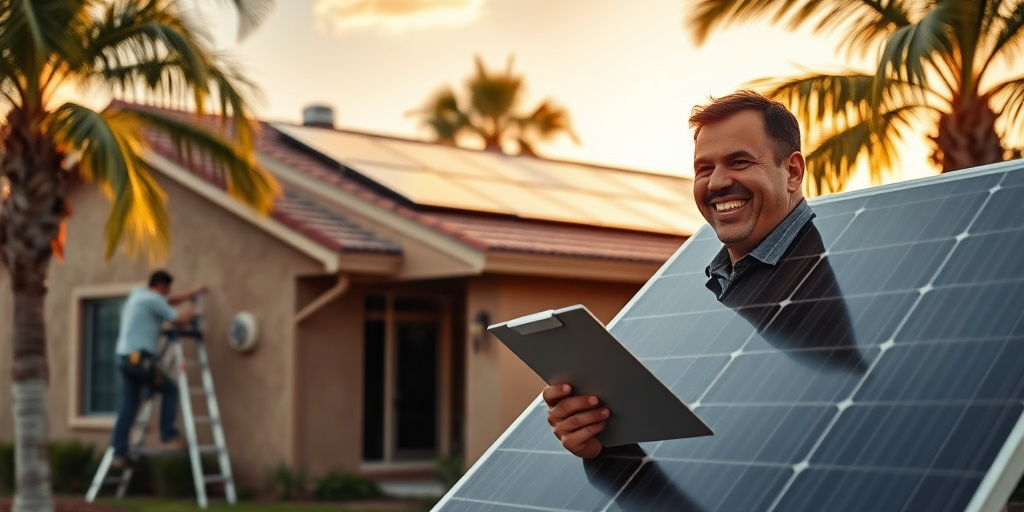
Did you know that the cost of solar technology has dramatically dropped by over 70% in the last decade? Yet, many Florida homeowners remain hesitant about switching to solar due to misconceptions about installation costs. With electricity prices rising and an urgent push towards renewable energy, the time to act is now. In 2025, understanding these costs will not only save you money but also empower you to make an informed decision that can increase your home’s value. This blog post, titled Unlocking The Secrets Of Solar Panel Installation Costs, will clear the fog around installation expenses and renovations that can accompany your transition to solar. We’ll dive deep into various facets of solar panel costs, debunk common myths, and provide strategies for maximally benefiting from solar energy. As we move closer to the year 2025, more families are realizing that solar energy is not just beneficial but necessary. Here’s what you can expect in the following sections:
1. A compelling case study to illustrate actual costs incurred in Florida.
2. A practical checklist to guide you through budgeting for your solar project.
3. A myth-buster segment that tackles common misconceptions around solar installations.
4. A detailed analysis of Florida’s unique solar landscape.
5. A technical deep-dive revealing financial incentives available in 2025.
By the end of this article, you’ll confidently navigate your solar journey, equipped with the knowledge needed to unlock sustainable savings and energy independence.
Understanding Solar Panel Installation Costs in Florida
Consider the story of Susan and Tom, an energetic couple living in Orlando, Florida. They were initially overwhelmed when considering solar energy for their family home. After months of research about various systems, equipment, and installation costs, they felt stuck in a whirlwind of numbers and complex terminologies. However, upon reaching out to a local expert, they learned the real story behind solar panel costs and how they could leverage financial incentives. By optimizing their installation choice through a tailored approach, they successfully locked in significant savings.
When diving deep into solar installation costs, you should consider multiple factors that play a crucial role in your total expenses:
- System Size: The larger your system, the higher the costs. According to the National Renewable Energy Laboratory, the average cost of an installed residential solar system in Florida is about $2.76 per watt before incentives (NREL.gov).
- Panel Quality: Quality panels generally have a higher upfront cost but offer better long-term savings. Investing in high-quality products can increase your energy efficiency over time.
- Labor Costs: Florida solar installation labor prices vary based on local market rates. Quality installation is crucial to ensure system efficiency and longevity, avoiding future costly repairs or replacements.
For example, if you were to install a 6 kW system, you might expect to pay between $10,000 and $18,000 before tax credits, depending on the above factors. In 2022, the average cost of solar installations in Florida was about $13,500 (SolarReviews.com). This provides a solid baseline to begin your budgeting journey.
Checklist: Navigating Solar Installation Costs
- Step 1: Assess your energy needs—look at your electricity bills for the last year to determine how much power you consume on average monthly.
- Step 2: Get multiple quotes from reputable installers in your area—understand that not all companies are created equal. Pricing can vary considerably.
- Step 3: Research available financial incentives and rebates to significantly reduce the installation cost—be aware of federal tax credits and state-specific rebates that can yield savings.
- Step 4: Look into potential financing options—consider solar loans, leases, or power purchase agreements that best suit your financial situation.
- Step 5: Calculate your expected return on investment—evaluate how much you’ve saved on energy costs over time compared to the total installation costs.
With accurate budgeting and planning, you ensure that your solar installation doesn’t unexpectedly break the bank and instead becomes a valuable investment.
Myth #1: Solar isn’t worth it in Florida due to cloud coverage. This is a common misconception. Even on cloudy days, solar panels can generate electricity efficiently, with solar irradiance ratings in Florida averaging above 5 kWh/m² per day (Energy.gov).
Myth #2: Going solar means huge upfront costs. Many systems can be financed, and thanks to state and federal incentives, you can diminish that initial financial burden. Plus, solar can ultimately save you thousands on energy costs.
Myth #3: All solar panels are created equal. Quality does vary. It’s advisable to consult professional ratings and reviews to choose panels that grant you the best long-term savings and efficiency.
Myth #4: You can’t sell your home with solar panels. In fact, a solar panel system can increase your home’s market value significantly, often recouping more than the initial investment when sold (SEIA.org).
Myth #5: Solar energy requires too much installation time and effort. Modern advances in installation technology, along with streamlined permitting processes, have condensed the installation time, reducing hassle for homeowners.
In Florida, you’re not just investing in solar; you’re also protecting your family’s future against rising energy costs while contributing to a sustainable environment.
When transitioning to solar, it’s important to concrete your knowledge. Understanding local policies, utility rates, and technical specifications can enhance your savings.
As you consider going solar in Florida, take note of these cost-related factors:
- Net Metering: Florida participates in a net metering policy, which credits solar clients for excess energy produced, offsetting costs further.
- Property Tax Exemptions: Florida homeowners can enjoy exemptions on property taxes for the added value of solar installations (DSIREUSA.org).
- Sales Tax Exemptions: Equipment purchased for solar installations is exempt from state sales tax, giving you more financial leeway.
As we enter 2025, these policies are critical in maximizing your solar investment, making it beneficial not just for your finances but also for your role in combating climate change.
5 Expert Solar Installation Tips for 2025
Your journey into the world of solar power can be seamless with a proper approach. To maximize solar efficiency and installation value, following expert tips is paramount:
1. Choose the Right Time to Install: The best time for installing solar panels in Florida can be in the spring or fall, as this often comes with less rainfall and optimal sunlight.
2. Consult Multiple Professionals: Getting multiple opinions will help you compare products and services. Always check reviews to ensure quality.
3. Negotiate Terms: Don’t be afraid to negotiate pricing and conditions with different providers. Solar installation is an evolving market, and the competition can lead you to significant discounts.
4. Make Sure Your Roof Is Ready: A structurally solid roof can save on costs during installation. If repairs are needed, tackle them beforehand to avoid additional expenses later.
5. Stay Informed about Incentives: Keep up with state and federal incentives as they evolve. It’s key to continuously monitor updates that can affect your installment costs.
According to recent statistics, Florida’s solar capacity is expected to double by 2025, creating more opportunities for homeowners to invest in cleaner energy systems (NREL.gov).
The steps you take today can determine future savings, making it crucial to utilize all the resources available to you for a strong return on your solar investment.
A Florida Homeowner’s Solar Journey
Meet Laura, a homeowner in Tampa who was skeptical about the transition to solar energy. She often heard about affordability and efficiency but remained unsure how those factors applied to her situation. After doing her research and connecting with local representatives, she took the plunge. Here’s how her journey unfolded:
- Initial Research: Laura analyzed her energy bill and understood her monthly consumption patterns—her annual usage was about 15,000 kWh, making her a prime candidate for solar.
- Getting Quotes: She requested quotes from three different installers, ensuring she covered installations, maintenance offerings, and warranties.
- Understanding Financing: Laura discovered the federal tax credit, allowing her to deduct 26% off her total installation cost. She also applied for state incentives that lessened the burden further.
- Installation Reality: The installation process took just two days—a breeze compared to her expectations—and she loved seeing her panels atop her roof, ready to work for her.
In her first year, Laura noted a 30% reduction in her electric bill. By the end of five years, she calculated her total savings had outstripped her initial investment, proving that the long-term benefits of solar energy far outweighed the costs.
With such success stories emerging throughout Florida, it’s clear that becoming a solar homeowner can yield outstanding results. Don’t ignore the potential that solar can bring to energy independence and enhance the resilience of your home’s value.
Next Steps for Florida Solar Buyers in 2025
As you contemplate making the leap into solar, here’s a step-by-step action plan that can streamline the transition:
- Step 1: Audit Your Electric Bill—Examine your energy consumption to understand your baseline.
- Step 2: Research Local Installers—Look for reputable companies in Florida with proven successes.
- Step 3: Understand Your Options—Evaluate different financing methods to estimate what suits your finances best.
- Step 4: Discuss Incentives with Your Installer—Be sure to get clarity on how available incentives will impact your bottom line.
- Step 5: Prepare for Installation—Ensure your roof is in optimal condition for solar panel placement.
By executing these steps, you minimize risks and maximize opportunities in your transition to solar energy. Additionally, financial incentives will remain crucial in keeping your installation costs down. Start today by visiting floridaelectricandsolar.com for exceptional resources tailored to Florida homeowners.
As we conclude this discussion on Unlocking The Secrets Of Solar Panel Installation Costs, it’s evident that investing in solar is not just a trend but a necessary step toward financial stability, energy independence, and environmental consciousness. Remember, the decisions you make now will significantly impact your family’s energy future. With all the tools and knowledge at hand, 2025 presents an incredible opportunity to harness solar energy. You’re not just building for today but also paving the way for future generations.
Ready to start your solar journey in 2025? Connect with a certified expert at floridaelectricandsolar.com today.
Related Articles
More insights about Solar Panel

Florida Homeowners: Why Solar Panel Maintenance Is Essential

7 Essential Steps for Solar Panel Installation Success

Expert Insights: Key Factors Influencing Solar Panel Lifespan
Ready to Go Solar?
Have questions about solar energy? Our experts are here to help you make the switch to clean, renewable energy.