
Unlocking the Secrets of Solar Panel Installation Costs
Share:
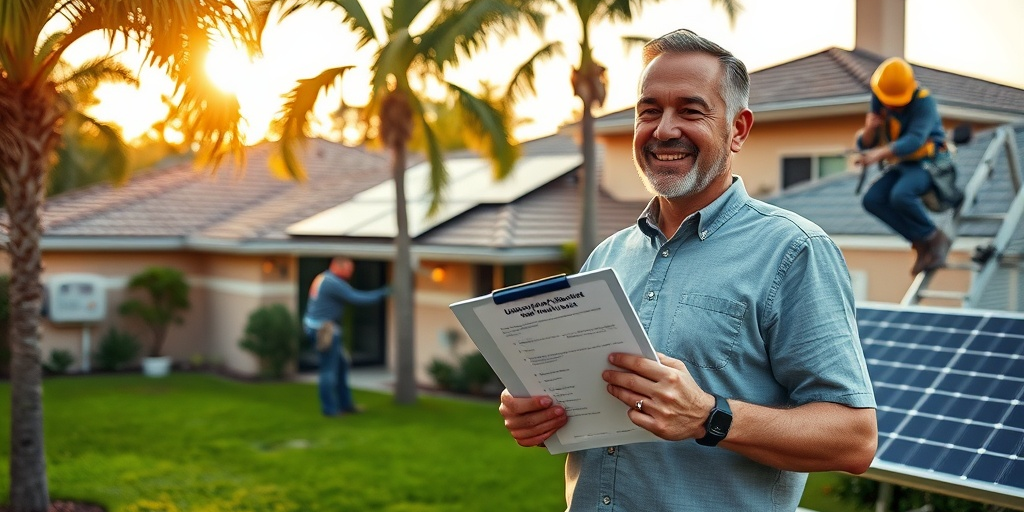
Your home is your haven, a sanctuary from the world. But did you know that within its walls, you could find a wealth of opportunity? Specifically, the opportunity to unlock significant savings on your energy bills? According to the Solar Energy Industries Association (SEIA), Florida ranks third in the nation for solar power capacity, and its potential is only growing. More than 1.3 million homes in Florida are expected to benefit from solar by the end of 2025 (SEIA.org). With rising energy costs and a renewed focus on sustainability, understanding the intricacies of solar panel installation costs has never been more critical. In “Unlocking the Secrets of Solar Panel Installation Costs,” we’ll dive deep into what influences these costs and how you can make empowered decisions for 2025.
The urgency of this topic cannot be overstated. Solar power incentives are increasing, and with Florida’s average electricity rates projected to grow, now is the time to act. This landscape offers a compelling case for homeowners and commercial property owners alike to go solar. In this comprehensive guide, we will explore:
- What factors influence solar installation costs.
- Common myths about solar pricing and installation.
- Best practices for effective solar installations in 2025.
- A look into the journey of a Florida homeowner transitioning to solar.
- Actionable steps to prepare for your solar investment.
Let’s embark on this enlightening journey to uncover the full scope around solar panel installation costs and help you step confidently into a future fueled by the sun.
Understanding Solar Panel Installation Costs: A Comprehensive Analysis
When considering solar energy, one of the first questions that arises is: “How much will it cost to install solar panels?” The answer is nuanced and can depend on a wide variety of factors. Let’s consider a hypothetical case study: the Martinez family, who recently installed solar panels on their two-story home in Orlando, Florida. The family made the decision not only from a financial perspective but also from an environmental standpoint.
Initially, Mrs. Martinez thought the installation would break their budget, but through research, they discovered several financial incentives that made the project feasible. The family learned that the average cost of solar panel installation in Florida ranges between $12,000 to $30,000, depending on the system’s size and the specific equipment selected (SolarReviews.com).
Here are the primary factors that dictated their total installation cost:
- System Size: The more energy you consume, the larger the solar panel system you’ll need. The Martinez family found that by understanding their average monthly energy consumption, they could choose the right size that would maximize their savings.
- Type of Solar Panels: Florida homeowners can choose between monocrystalline, polycrystalline, or thin-film solar panels. Monocrystalline panels are the most efficient and durable, making them more expensive upfront but potentially less costly over time (Energy.gov).
- Installation Complexity: If the roof structure is complicated—like a flat roof or one with multiple slopes—the installation may demand specialized labor, raising costs.
- Local Incentives: Florida offers various financial incentives for solar installation, ranging from tax credits to rebates that can significantly reduce out-of-pocket expenses (DSIREUSA.org).
As the Martinez family managed these components, they grew empowered in their decision-making. They determined they would save over $1,000 on their annual electric bill, making their solar investment pay off within a few years.
Furthermore, here are a few myths surrounding solar panel costs that demand clarification:
- Myth #1: Solar panels are too expensive for most homeowners. This is increasingly false due to lower panel costs and available incentives.
- Myth #2: My roof needs to face south for solar energy to work well. This is not true; panels can still generate electricity even if installed on roofs with east or west orientations.
- Myth #3: Solar panels are not worth the investment because their prices might drop in the future. Waiting for lower prices could result in lost energy savings and incentive opportunities.
As evidenced by the Martinez family’s experience, navigating the landscape of solar installation costs requires both technical knowledge and actionable insights. For Florida homeowners looking for more guidance, resources can be found at floridaelectricandsolar.com.
The Ultimate Solar Installation Cost Checklist
Ready to take the leap into solar energy? Transitioning can feel overwhelming, but breaking it down into manageable steps can pave the way for success. Here’s a checklist to follow for your solar installation:
- Step 1: Research Your Energy Needs
Understand your energy consumption by examining past utility bills. Look for your average monthly kWh usage to determine the size of the system you need. - Step 2: Evaluate Roof Conditions
Inspect your roof and determine whether it may need repairs or structural enhancements before solar installation. - Step 3: Choose Your Solar Equipment
Familiarize yourself with types of solar panels and inverters, comparing efficiency rates and warranties. - Step 4: Explore Financial Incentives
Investigate federal, state, and local financial incentives to find what best applies to your area using resources such as the DSIRE database. - Step 5: Contact Licensed Installers
Finally, consult with certified solar energy contractors. Solicit multiple quotes and assess the overall value of their service.
This structured approach can arm you with knowledge, ultimately shaping better outcomes for your solar investment.
5 Expert Solar Installation Tips for 2025
Transitioning to solar energy doesn’t have to be complicated. Here are five expert installation tips to ensure your experience is as smooth as possible:
- Choose the Right Installer: Select a certified installer who is well-reviewed and has a solid track record within Florida. Quality installation can significantly affect long-term performance.
- Don’t Skimp on Solar Tracking Systems: While they may come at a higher cost, roof-mounted systems can maximize energy capture by following the sun’s path.
- Understand Financing Options: There are multiple ways to finance solar, including loans, leases, and power purchase agreements (PPAs). Each has its benefits and drawbacks.
- Educate Yourself about Net Metering: Familiarize yourself with how net metering works in your area. Florida provides net metering to help homeowners recoup investment through energy credits.
- Anticipate Maintenance Needs: Prepare for routine cleanings and occasional inspections to keep your solar system operating at peak efficiency.
By implementing these expert tips, you can amplify the benefits of your solar panel installation and protect your investment in the long run.
Charting a Florida Homeowner’s Solar Journey
To delve even deeper, let’s follow the journey of Jeff and Kim, a Florida couple exploring their path to solar energy. Having lived in their Orlando home for over a decade, they became increasingly frustrated with rising electricity bills. They decided to investigate solar options for an eco-friendly and economically viable alternative.
Here’s how their experience unfolded:
- Initial Research: Jeff and Kim started looking online, exploring different states’ incentives and solar technologies available in Florida.
- Solar Consultation: They reached out to a series of installers and set up consultations to discuss their needs and the benefits of net metering to see how it would impact their savings.
- System Selection: After understanding their energy consumption, they determined that a 10 kW solar panel system would be ideal. They opted for high-efficiency panels to maximize their output.
- Project Execution: The installation took about two weeks, and the process was seamless, with minimal disruption to their daily lives.
- Ongoing Monitoring: After installation, they employed an app to monitor their energy generation daily, which provided substantial satisfaction knowing they were making a difference in their household carbon footprint.
Through their journey, Jeff and Kim learned that transitioning to solar wasn’t as daunting as it seemed, and their energy bills were slashed by over 60%. Moreover, they discovered just how rewarding it is to contribute positively to the environment.
Next Steps for Florida Solar Buyers in 2025
It’s time to take charge of your energy future! Here’s a straightforward action plan for aspiring solar buyers:
- Step 1: Audit Your Electric Bill
Review past utility bills, focusing on kWh usage and costs. This will guide you in understanding how much solar you will need. - Step 2: Determine Your Financing Strategy
Explore loan options, grants, or state incentives that could reduce your financial burden. - Step 3: Interview Multiple Installers
Speak with various solar companies to compare offers, expertise, and warranties. Seek local reviews for better understanding. - Step 4: Finalize Your System Design
Once you’ve chosen your installer, work hand in hand to finalize the system design based on your specific needs. - Step 5: Sign the Agreement
Thoroughly read through the contract before signing. Clarify any questions with your chosen installer.
Following these steps, you can seamlessly navigate the path toward solar energy ownership. You can start living with solar power, reducing costs while contributing to a greener planet—everyone wins.
Conclusion
In conclusion, understanding the intricacies of solar panel installation costs is not merely a financial exercise; it is a step toward a sustainable, empowered future. With a well-thought-out strategy tailored to your needs and extensive knowledge on potential costs, you can confidently embrace solar energy in 2025. The importance of acting now cannot be overstated, as incentives and technology continue to evolve at a rapid pace. Imagine reducing your energy bills, increasing your property value, and playing an active role in promoting environmental health—all because you ventured into solar energy.
So, as the sun rises each day, let it illuminate your path toward energy independence. Ready to start your solar journey in 2025? Connect with a certified expert at floridaelectricandsolar.com today.
Related Articles
More insights about Solar Panel

Florida Homeowners: Why Solar Panel Maintenance Is Essential

7 Essential Steps for Solar Panel Installation Success

Expert Insights: Key Factors Influencing Solar Panel Lifespan
Ready to Go Solar?
Have questions about solar energy? Our experts are here to help you make the switch to clean, renewable energy.