
Warning: Avoid These Common Solar Panel Installation Mistakes
Share:
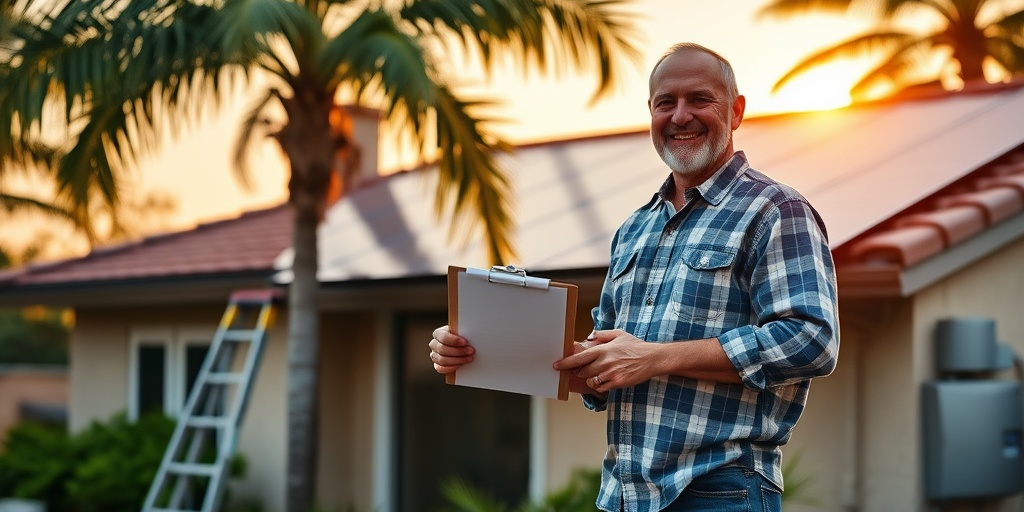
When it comes to solar panel installation, one mistake can cost you thousands of dollars and years of frustration. Did you know that nearly 30% of solar installations face significant operational issues just within the first year? In 2025, as Florida homeowners increasingly look for ways to combat rising energy costs and seek energy independence, understanding the common pitfalls of solar panel installation has never been more critical. In this article titled Warning: Avoid These Common Solar Panel Installation Mistakes, we will delve into the most frequent errors and how to steer clear of them.
Florida’s sunny disposition makes it one of the most popular states for solar energy adoption. In fact, the state ranks third in the nation for installed solar capacity, boasting over 2.4 million solar panels in operation (SEIA.org). Despite this progress, a noticeable number of Floridians still face challenges when they embrace this renewable energy source. With energy prices projected to rise by 10% annually (Energy.gov), acting now to invest in solar energy isn’t just wise; it’s essential.
This article will take you on a comprehensive journey through five key sections that will provide you with invaluable insights into avoiding mistakes during solar panel installation:
- Section 1: A deep dive into common installation blunders through a case study approach.
- Section 2: A checklist outlining the steps you must take before, during, and after installation.
- Section 3: Debunking myths surrounding solar installations that could mislead homeowners.
- Section 4: A focus on the Florida-specific regulations and tips tailored for our local sunrises.
- Section 5: A technical deep dive that breaks down the system components you need to understand.
Without further ado, let’s embark on this enlightening journey to learn how to avoid these common pitfalls in solar panel installation.
Section 1: Most Common Solar Installation Mistakes and How to Avoid Them
Picture this: The Johnson family from Orlando, eager to slash their electric bills, decides to install solar panels. They research online, pick an installer, and three months later, they are excited to see their home equipped with shiny new solar panels. However, after just two months of operation, they notice that their energy bills are still sky-high. What went wrong? The Johnsons made several critical mistakes that are unfortunately far too common. Here’s how you can avoid similar traps.
Case Study
The Johnsons fell victim to the “one-size-fits-all” approach too many homeowners take. Their installer didn’t perform a comprehensive energy audit before placing the panels, resulting in an inefficient solar system that didn’t meet the family’s energy needs. In fact, not considering energy consumption data can lead to a system that underdelivers, wasting thousands of dollars in potential savings. This scenario is a silent epidemic affecting many Florida homeowners looking to optimize their solar investment.
Checklist of Pre-Installation Steps:
- Assess Your Energy Needs: Conduct a thorough energy audit of your home to determine your actual power needs.
- Perform Research: Investigate local installers thoroughly, verifying their credentials and customer reviews.
- Understand Your Roof: Whether your roof sees enough sun or requires reinforcement plays a huge role in efficiency.
- Check for Permitting: Ensure that your installer handles all permits and meets Florida state regulations.
- Consult Multiple Quotes: Comparing at least three different estimates keeps pricing competitive and fair.
Myth-Buster
- Myth #1: “I can install solar panels myself.” This isn’t just a bad idea; it’s often against local regulations. Solar installations require professional expertise to properly connect to the grid.
- Myth #2: “Bigger panels mean more energy.” The efficiency of solar panels isn’t just about size; installation angle and local climate significantly impact performance.
- Myth #3: “My home isn’t sunny enough for solar.” Many Floridians are unaware that solar panels can still generate power even on cloudy days. Proper orientation and technology are paramount.
According to the Solar Energy Industries Association, well-executed installations can yield up to 80% or more of a household’s energy needs (SEIA.org). Understanding misconceptions about solar systems directly impacts your investment.
Technical Deep-Dive: To truly appreciate how solar panels work and why proper installation matters, you need to understand some technical aspects. Solar panels convert sunlight into electricity using photovoltaic cells, typically made of silicon. When sunlight hits these cells, it creates direct current (DC) electricity. This current is then converted into alternate current (AC) electricity by an inverter to support your home’s electrical needs. Knowing the intricacies of your solar system ensures you won’t overlook vital components during installation.
This foundational knowledge serves as your first line of defense against installation mistakes. Now that we’ve explored the common blunders, let’s transition into actionable steps to ensure you’re set for a successful solar journey.
Section 2: Essential Steps for a Smooth Solar Installation Process
Having a smooth and efficient solar installation is crucial for maximizing your long-term savings and energy independence. Below is a checklist designed to guide you through each step of the installation process while preventing potential mistakes.
Follow this essential checklist:
- Step 1: Assess the Site – A thorough site assessment performed by a qualified technician can pinpoint the ideal solar panel placement based on sunlight exposure, roof angle, and potential shading.
- Step 2: Review Local Codes and Regulations – Familiarize yourself with Florida’s solar incentives and regulations to ensure compliance and potentially qualify for tax credits or rebates.
- Step 3: Select the Right Equipment – Not all solar panels, inverters, and batteries are created equal. Research the best brands that offer warranties, efficiency, and reliability.
- Step 4: Schedule Your Installation – Pick a day when weather conditions are optimal for installation to avoid delays or complications.
- Step 5: Installation Day Procedures – Make sure to communicate with the installation team about any specific concerns or preferences you have regarding the installation process.
A reputable installer will also help ease the permitting process. In Florida, special incentives, such as the Florida Solar Rights Act, can protect homeowners from restrictive homeowners’ associations that may not understand solar technology (Energy.gov).
By ensuring you meticulously follow these steps, you are less likely to encounter issues later in the process. This level of care not only safeguards your investment but also places you among the 90% of Florida homeowners satisfied with their solar installation (SolarReviews.com).
If you want even more expert advice and free resources to guide you through your solar journey, visit floridaelectricandsolar.com.
Section 3: Debunking Myths About Solar Installation
As we progress on our solar journey, it’s essential to address some of the common myths that circulate in the solar community. These myths can lead homeowners to make misguided decisions or miss out on the potential benefits of solar power.
Myth #1: “Solar energy is only for affluent homeowners.” The truth is that many financing options, along with federal and state incentives, make solar energy accessible for a wider demographic. Considering that the average cost of solar systems decreased by approximately 70% over the last decade (SEIA.org), this is evolving quickly.
Myth #2: “Solar panels need frequent maintenance.” While it’s true that solar panels require minimal maintenance, an annual check-up is generally all that’s needed to keep them running optimally. After all, solar panels are designed to withstand various weather conditions and can last for 25 years or more.
Myth #3: “If I go solar, I won’t have electricity at night.” Many homeowners overlook the potential of battery storage. With advancements in technology, many solar energy systems can be coupled with batteries that store excess energy produced during the day for use at night. This ensures you have power even when the sun sets.
Myth #4: “Solar panels ruin the aesthetic of my home.” While some might think of solar installations as unsightly, modern solar panels come in sleek designs that can enhance roof aesthetics rather than detract from them. Furthermore, many systems can be integrated into roofing material, making them less obtrusive.
Myth #5: “I can just buy cheaper solar panels and save money.” Opting for low-price solar panels can result in higher long-term costs due to less durability and poor efficiency. Quality matters significantly in solar; investing in higher-quality panels from reputable manufacturers can mean better performance over time.
Debunking these myths clarifies the path for prospective solar buyers in Florida, elevating confidence in their investment decisions.
Section 4: Florida-Specific Insights and Best Practices
Understanding the local landscape is crucial for navigating your solar installation process. The Sunshine State gets its name for a reason, providing some of the most abundant sunlight available in the U.S.
Florida homeowners enjoy several incentives and programs, including:
- Net Metering: This program allows homeowners to receive credits on their utility bills for excess energy they generate and send back to the grid.
- Sales Tax Exemption: Florida homeowners purchasing solar systems qualify for a sales tax exemption of approximately 6% (NREL.gov).
- Federal Investment Tax Credit (ITC): This allows residential solar buyers to deduct 30% off the cost of their solar system from federal taxes.
When planning for installation, it’s crucial to take note of Florida’s tropical climate. Storms can impact your solar panel placement and robustness. Therefore, it’s critical to consult local experts on the best installation techniques to withstand high winds and inclement weather.
Best Practices:
- Choose panels specifically rated for extreme weather conditions.
- Ensure the installation team is experienced in Florida’s specific requirements for permitting and building codes.
- Can you integrate roof tiles and solar solutions? Check with your installer for the best options that fit your home’s architecture.
In Florida, ensuring your installation is up to weather standards significantly reduces the risk of damages over time, bringing peace of mind to homeowners concerned about their solar investment.
Section 5: Next Steps for Florida Solar Buyers in 2025
Once you’ve educated yourself about solar installation and avoided common mistakes, it’s time to take action! Here is your actionable plan:
Step 1: Audit Your Electric Bill: Before heading into any discussions with installers, you must know your monthly electric costs and usage patterns to calculate potential savings accurately.
Step 2: Research Local Installers: Look into multiple companies and narrow your options down to those with verified positive reviews and industry certifications. Always check their warranty policies.
Step 3: Consult a Solar Specialist: An expert can clarify your current energy requirements and project future energy needs to design a tailored solar solution for your home.
Step 4: Explore Financing Options: Many Florida homeowners can benefit from low-interest loans or lease options to make solar panels more accessible upfront.
Step 5: Stay Informed: Keep yourself updated on incentives, grants, or policy changes that can positively influence your solar investment.
Taking these steps empowers you to approach your solar journey confidently, substantially reducing the likelihood of running into issues later down the line.
Remember, educating yourself about these steps and how to optimize your investment makes you part of a bigger movement toward sustainable energy solutions.
In conclusion, going solar is a vital decision that not only impacts your monthly bills but also contributes positively to the environment. By understanding the most common pitfalls and how to avoid them, you’ll ensure a smoother, more cost-effective transition to solar energy. Don’t wait until it’s too late; with rising energy prices and climate change challenges ahead, it’s crucial to act now.
Ready to start your solar journey in 2025? Connect with a certified expert at floridaelectricandsolar.com today.
Related Articles
More insights about Solar Panel

Florida Homeowners: Why Solar Panel Maintenance Is Essential

7 Essential Steps for Solar Panel Installation Success

Expert Insights: Key Factors Influencing Solar Panel Lifespan
Ready to Go Solar?
Have questions about solar energy? Our experts are here to help you make the switch to clean, renewable energy.