
Warning: Avoid These Common Solar Panel Maintenance Mistakes
Share:
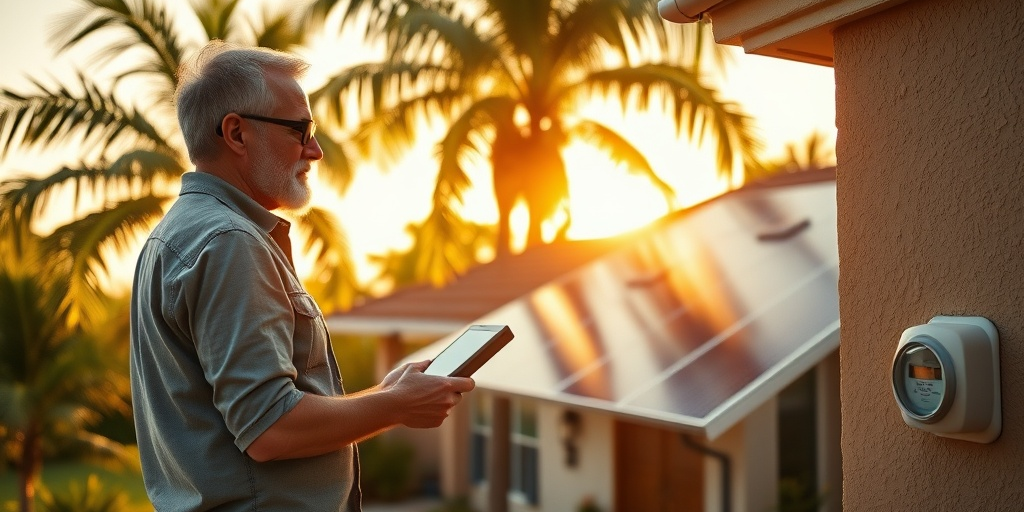
Did you know that improperly maintained solar panels can lead to as much as a 30% drop in energy efficiency? Whether you’re a proud Florida homeowner harnessing the sun’s rays or a commercial property owner seeking sustainable solutions, the importance of solar panel maintenance can’t be overstated. In fact, it’s estimated that up to 20% of solar panel systems in Florida suffer from some level of neglect (Energy.gov). The reality is that many homeowners fall victim to common solar panel maintenance mistakes that not only decrease the efficiency of their systems but can also significantly increase costs over time. This blog post, titled Warning: Avoid These Common Solar Panel Maintenance Mistakes, aims to open your eyes to these pitfalls and help you navigate the journey toward optimal solar performance—a decision that will only grow more critical in 2025 as energy prices continue to rise and more incentives for solar adoption become available.
As you read this, you’ll discover five key sections: we’ll kick things off with a captivating case study to ground the importance of proper maintenance; followed by a comprehensive checklist that ensures your solar panels serve you well; we’ll tackle common myths to cut through misconceptions; we’ll dive into local focus, where you’ll learn Florida-specific tips and statistics; and finally, we’ll conduct a technical deep dive into not just the solar technology but policies impacting your energy costs. Let’s get started!
Understanding the Impact of Poor Solar Panel Maintenance
A recent case study involving a family in Tampa, Florida, highlights the dramatic consequences of neglected solar panel maintenance. The Garcia family was thrilled after installing their 10-kilowatt solar system, believing they had taken a step toward energy independence. However, within two years, they noticed their monthly electricity bills creeping back up. After consulting with a local solar expert, they discovered their panels were covered in dirt and debris, significantly reducing their efficiency.
The impact was alarming—not only were they not harnessing the full potential of their investment, but they were also missing out on potential savings of over $1,200 annually due to diminished energy production. This eye-opening realization is not unique; many Florida homeowners experience similar outcomes when they overlook routine maintenance, with reports indicating that basic upkeep can boost output by as much as 20% (SolarReviews.com).
How can the Garcias, and you, avoid falling into these traps? Here’s a simple checklist of actionable steps:
- Regular Cleaning: Ensure your solar panels are free of debris, dirt, and bird droppings. A simple rinse is often enough—especially after heavy storms or winds.
- Frequent Inspections: Hire a professional to check for wear and tear at least once a year, ensuring all components are functioning correctly.
- Monitor Performance: Utilize monitoring systems to track your solar energy production and detect any drops in efficiency promptly.
- Check for Shading: Trim any foliage or remove obstacles that may cast shadows on your panels, as even slight shading can drastically reduce output.
- Document Everything: Keep records of maintenance work, including dates and specifics, to track performance over time.
Despite their best efforts, homeowners often encounter misconceptions that can undermine their maintenance routines. For instance, many believe that solar panels are self-cleaning, but that couldn’t be further from the truth; environments with heavy rain might reduce the need for cleaning, but dust and grime can accumulate quickly here in Florida. Myth-busting such misconceptions is critical to maintaining systems efficiently.
Florida’s sunny skies and temperate climate do play a role in the long-term success of solar installations, yet they come with unique challenges. In fact, Florida ranks as one of the top states for solar growth, standing to benefit from new state incentives being phased in 2025, which makes understanding the importance of maintenance all the more urgent. With about 1.6 million solar installations expected statewide by 2025, operational efficiency will be a crucial component of energy cost savings (SEIA.org).
As we transition into Section 2 of our guide, let’s delve into the most common myths surrounding solar panel maintenance.
Common Myths About Solar Panel Maintenance
Many homeowners operate under the belief that solar panels require no maintenance. This could not be further from the truth. While solar panels are designed to be durable and require less maintenance than other systems, they are not maintenance-free. To help clear up misconceptions, let’s bust some of the most widespread myths:
- Myth #1: Solar Panels Are Self-Cleaning. – Many people assume that rain will do the work of cleaning panels. However, while rain does help remove some debris, it often merely moves dirt around, leaving residues that can still affect efficiency.
- Myth #2: Solar Panels Last Forever Without Maintenance. – While it’s true that solar panels have long lifespans—often exceeding 25 years—components like inverters and batteries may need attention or replacement long before the panels themselves do.
- Myth #3: DIY Maintenance Is Enough. – Many attempt to cut costs by cleaning and inspecting their solar panels without professional help. Professional inspections can detect minor issues that DIY efforts might overlook, saving you substantial expenses in the long run.
- Myth #4: All Panel Locations Are Equal. – Not all installations will produce energy equally; shading from trees or other buildings can drastically drop the output of your solar panels.
- Myth #5: Once Installed, No Further Action Is Needed. – Timing matters in maintenance schedules. Panels need ongoing attention, particularly after extreme weather conditions that can cause wear and tear.
Understanding the truth behind these myths gives you the power to take control of your solar investment. In the sunny landscape of Florida, eliminating these misconceptions leads to more efficient systems and enhances your overall energy savings experience. As we navigate into the next section, we’ll discuss best practices for ensuring your solar system continues to thrive in 2025.
Best Practices for Optimal Solar Panel Performance
If you’re serious about maximizing the efficiency and longevity of your solar system, adhering to best practices is key. These strategies are backed by data and proven to keep your solar panels in top condition for years to come.
- Don’t Skimp on Panel Placement: Proper orientation is crucial for solar panels to capture maximum sunlight. Ensure your panels face the sun’s path throughout the day. Florida’s latitude allows for an optimal tilt of 30 to 40 degrees to enhance exposure.
- Invest in Quality Components: Choosing high-quality solar panels, inverters, and batteries will pay off. Higher-efficiency panels may cost more upfront but can yield significantly greater savings over their lifespan.
- Utilize Monitoring Systems: Leverage technology! Modern solar energy systems frequently come with monitoring capabilities, allowing you to observe energy production and system health to identify problems early.
- Consider Professional Maintenance: Schedule regular professional maintenance, ideally twice a year. Technicians can provide electrical inspections, cleaning, and detailed assessments invaluable for maintaining performance.
- Be Aware of Your Surroundings: Pay attention to landscaping! As trees and nearby structures grow, they may start blocking sunlight from reaching your solar panels. Regularly inspecting and adjusting for these changes can preserve energy production.
A powerful example is the case of a commercial building in Orlando that maintained its solar system best practices diligently. By adhering to a comprehensive maintenance plan, they successfully reduced their energy costs by up to 40%, demonstrating how small efforts can lead to substantial savings. Knowing these practices not only extends the life of your investment but also enhances returns—it’s vital in our changing energy landscape.
Research has shown that panels can lose efficiency after significant weather events if not properly cared for, pressing the need to stay informed. With incentives coming into effect, Florida homeowners can realize their full potential by proactively managing their solar assets effectively. And that wraps our best practices; let’s move on to the next enlightening story that will captivate your attention.
Real-Life Solar Journeys: The Impact of Maintenance
Now let’s look into a fictional yet realistic depiction of Leroy Johnson, a determined Florida homeowner who embarked on a solar journey a year ago. Leroy, like many others, was motivated by the desire to cut costs, increase energy independence, and make a positive environmental impact.
Upon installation of his solar system, his optimism was palpable. He envisioned lower electrical bills and savings that could be redirected towards his children’s college tuition. However, after several months, he noticed his bills were still higher than expected and his panels didn’t yield the production he anticipated. Unsure of the problem, Leroy reached out to a local solar expert for guidance.
During the consultation, it didn’t take long for the issue to surface—a combination of neglected maintenance and incomplete understanding of his system’s needs was hindering his goals. Here’s what Leroy discovered on his solar journey:
- Cleaning Schedule: Leroy learned about the importance of creating a routine cleaning schedule, which would eliminate dust accumulation and keep his efficiency at peak performance.
- Monitoring Output: He began using a mobile app to track his energy output, instantly realizing the importance of active engagement in managing his system.
- Inspecting Components: Hiring professionals to inspect his inverter and battery systems became a regular part of his new routine, ensuring everything remained operational.
- Community Awareness: He also joined local homeowner meetings focused on solar energy, exchanging experiences and learning from others sharing similar challenges in maintenance.
Reflecting on his journey, Leroy realized that his early struggles were learning experiences that set him up for future success. By making informed decisions and adapting his solar maintenance routine, he ultimately saved an impressive 30% on his electricity bills, demonstrating that knowledge is indeed power.
As we shift gears into the final discussion, a solid action plan to guide your solar journey in 2025 will drive you toward efficiency and cost-effectiveness. Let’s set you up for that success!
Next Steps for Florida Solar Buyers in 2025
As we round out this comprehensive guide, it’s essential to equip you with a solid action plan to help you maximize your solar investment.
- Step 1: Audit Your Electric Bill: Review your utility bill regularly to understand your energy usage patterns. This knowledge helps you gauge the effectiveness of your solar system.
- Step 2: Create a Maintenance Schedule: Establish set timelines for cleaning, inspections, and adjustments. Consistency is vital in preventing costly issues down the line.
- Step 3: Stay Informed on Incentives: As 2025 rolls around, stay informed about state incentives and available programs tailored for Florida solar users. Engage with your local solar provider, such as floridaelectricandsolar.com, for updates.
- Step 4: Document Performance: Keep a consistent record of energy output, maintenance, and related expenses to illustrate trends, helping to make knowledgeable decisions in the future.
- Step 5: Engage with the Community: Join local solar forums or groups to share insights, tips, and successes. Community can be a wellspring of knowledge.
By taking these deliberate steps, Florida homeowners can truly optimize their solar energy production while reaping the benefits of state incentives and reducing overall electricity costs. Now, let’s recap the vital insights we’ve covered.
Conclusion
Throughout this exploration of solar panel maintenance, we’ve delved deep into the common mistakes many homeowners make that can jeopardize efficiency and savings. By addressing misconceptions, adopting best practices, and following a clear action plan, you can empower yourself and optimize your solar investment effectively, especially as the landscape evolves in 2025.
Remember the Garcia family and Leroy Johnson—their journeys are reminders of what’s at stake but also of what’s possible with vigilance and care. Investing in solar energy is an essential step toward sustainability, energy independence, and savings—but maintaining that investment is just as critical. In a state like Florida, with its abundant sunshine, the opportunity to own your power and cut electric bills is at your fingertips.
Ready to start your solar journey in 2025? Connect with a certified expert at floridaelectricandsolar.com today.
Related Articles
More insights about Solar Panel

Florida Homeowners: Why Solar Panel Maintenance Is Essential

7 Essential Steps for Solar Panel Installation Success

Expert Insights: Key Factors Influencing Solar Panel Lifespan
Ready to Go Solar?
Have questions about solar energy? Our experts are here to help you make the switch to clean, renewable energy.