
Warning: Avoid These Common Solar Scams to Protect Your Investment
Share:
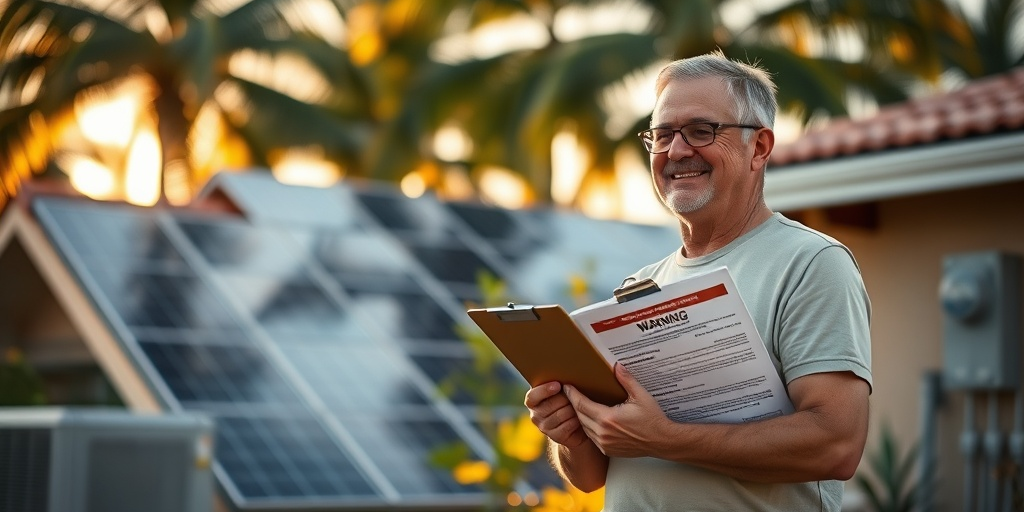
In a world where energy costs are continually escalating, Florida homeowners and commercial property owners are increasingly turning to solar power as a viable solution to cut their electric bills and enhance energy independence. However, as more renters and homeowners consider transitioning to solar energy, unscrupulous actors are taking advantage of their genuine interest by concocting deceptive schemes. A staggering 70% of solar customers report concern over possible fraud during their purchasing journey (SolarReviews.com). With the solar tax credit allowing for substantial savings, which is currently scheduled to remain up to 30% in 2025 (NREL.gov), the urgency to educate oneself on the various scams is greater than ever. This article, entitled Warning: Avoid These Common Solar Scams to Protect Your Investment, aims to arm you with the knowledge required to recognize and evade these pitfalls. In 2025, as incentives heighten interest in solar systems, understanding the scams circulating in the solar industry becomes critical. In this extensive guide, we will delve into five essential sections:
- A deep dive into real-world solar scams and how they target Florida residents.
- Actionable checklists about how to avoid these scams.
- Common myths surrounding solar energy that mislead consumers.
- A Florida-focused examination of specific vulnerabilities within the local solar market.
- Technical insights about installation, billing, and policies affecting solar infrastructure.
Understand Common Solar Scams Targeting Florida Consumers
Picture this: Sarah, a Florida homeowner excited about the prospect of finally achieving energy independence through solar power, received a phone call from a company claiming to offer an incredible deal on solar panels. Eager to save on rising electricity bills, she pulled out her wallet only to find out months later that the company was a complete scam. Sarah’s story is not unique; it highlights the present threat of fraudulent practices surrounding the solar industry in 2025 as more Floridians look to embrace green energy.
To illustrate the dangers of fraud in this booming sector, consider the following steps to avoid falling victim to the most common solar scams:
- Always verify credentials: Ensure that the solar company has proper licensing and is recognized by the Florida Public Service Commission.
- Inspect the contract: Read all fine print and verify all promises made verbally are documented.
- Do your research: Ask for and check reviews from previous customers, focusing on local experiences.
- Be wary of four-pressure tactics: High-pressure sales techniques or limited-time offers often signal illegitimacy.
- Get multiple quotes: Always compare at least three estimates before making a decision.
The prevalence of these scams is staggering, with recent reports suggesting that as many as 60% of solar installers engage in inflated pricing or other misleading tactics (SEIA.org). Understanding these facts is essential for recognizing signs of fraudulent behavior and making informed decisions about installing solar energy systems.
On the other hand, it is equally important to challenge widespread myths surrounding solar power that may contribute to skepticism and gullibility. Let’s break down a few common misconceptions about solar energy.
Debunking Myths Surrounding Solar Energy
The solar industry is rife with misconceptions that can cloud your judgment and lead you to unwarranted decisions. Knowing these myths can save you time, money, and potential heartache. Here are some popular misconceptions:
- Myth #1: Solar panels are too expensive. Fact: With the federal solar tax credit and other incentives, most homeowners can lower their upfront costs significantly. In fact, solar prices have decreased by approximately 89% since 2010 (Energy.gov).
- Myth #2: Solar power is not reliable. Fact: Solar technology has advanced remarkably, allowing systems to be efficient even in Florida’s fluctuating weather patterns, ensuring you can rely on solar energy regardless of conditions.
- Myth #3: You’ll never recoup your investment. Fact: Studies show that Florida homeowners who install solar panels can save thousands over the lifespan of the technology due to reduced utility bills and increased property value (SolarReviews.com).
- Myth #4: Solar installations are disruptive and difficult. Fact: Modern solar installations are designed to minimize disruption and can often be completed in a single day.
- Myth #5: You need to convert to solar energy entirely. Fact: Many homeowners opt for hybrid systems that combine solar and traditional energy sources, ensuring consistent power supply.
Understanding these myths allows you to see through the noise and demand proper service from solar installers. Let’s redirect our focus to how local policies can impact Florida homeowners and what specifically to watch out for in your city.
Florida-Specific Vulnerabilities and Policy Implications
Living in Florida offers an abundance of sunshine ideal for solar energy production, yet the multifaceted nature of local laws and regulations can confuse consumers. The state’s solar policy landscape emphasizes the importance of understanding the local environment.
For Floridians, here are some critical factors to note:
- Know your utility company: Each utility company has its own policies on solar net metering which can greatly affect the financial viability of residential solar systems.
- Stay updated on state incentives: Florida has several incentives that encourage solar adoption, such as property tax exemptions for solar installations, which may not be well-publicized.
- Understand permitting processes: Many manufacturers don’t inform consumers about local permitting requirements, leaving them in the dark during the installation process.
- Watch for hidden fees: A trend observed with some Florida solar companies is the inclusion of hidden installation fees that can inflate the overall cost of the system unbeknownst to the homeowner.
- Beware of contractor qualifications: Ensure you choose certified and experienced contractors to avoid poor installations which can lead to higher costs and system inefficiency.
Given these vulnerabilities, one must proceed with caution. The statistics show that fraud and miscommunications plague the industry, which necessitates a vigilant and educated consumer base to ensure successful solar adoption.
Now, let’s turn to practical tips that can guide you through the installation process moving forward.
5 Expert Solar Installation Tips for 2025
As we approach 2025, implementing best practices during your solar installation can significantly improve your overall experience. Avoid pitfalls and maximize your savings by adhering to the following tips:
- Evaluate your energy needs: Calculate your average energy consumption to determine the appropriate size for your solar system, ensuring you select panels that align with your requirements.
- Consider panel placement: Optimally positioning your solar panels is critical for maximizing energy production—focusing on rooftops with southern exposure will yield the best results.
- Research your installer: Opt for an installer with local experience and excellent reviews, which become essential trust factors when evaluating potential partnerships.
- Check the warranty: A good solar system should come with comprehensive warranty coverage for both the equipment and installation, providing peace of mind should issues arise.
- Stay informed about technology advancements: New technologies may offer superior efficiency or reduced installation costs, so staying updated is essential for making the smartest financial choice.
According to recent evaluations, properties equipped with solar power systems are reported to sell at prices approximately 20% higher than comparable homes without these systems (NREL.gov). Armed with practical knowledge and actionable plans, you can navigate the solar landscape with confidence.
It’s time to put that knowledge into context with a relatable journey of a fictitious but realistic homeowner navigating the complexities of a solar installation.
A Realistic Solar Journey: The Smith Family
The Smith family lived in Gainesville, Florida, in a modest but charming home. After years of exorbitant energy bills—sometimes exceeding $300 a month—the Smiths decided it was time to embrace solar energy. Their journey, however, was not without its challenges.
Initially thrilled at the prospect, they quickly uncovered the complexities surrounding solar systems:
- The costs involved seemed daunting, but they were reassured by experts that rebates and tax credits would significantly reduce their total expenses.
- After receiving several quotes, they realized that some companies highlighted unrealistic benefits which could lead to dissatisfaction later.
- During the installation, the couple witnessed how vital clear communication was, especially when dealing with local permitting issues.
- Finally, they discovered ancillary benefits such as increased home value and eligibility for energy-efficient loans, giving them a great sense of financial security.
This experience not only provided the Smiths with energy independence but also highlighted some essential considerations regarding the evolving market and its implications. Education and vigilance led them through to a successful journey in solar energy adoption.
Equipped with this mindset, Florida homeowners can easily navigate the landscape of scams and misinformation. Now, here’s how to take the next steps before making an investment in solar.
Next Steps for Florida Solar Buyers in 2025
As the solar landscape continues to evolve in 2025, engaging with the right information is crucial for making sound investments. To streamline the process and protect your investment, follow these actionable steps:
- Audit Your Electric Bill: Review your utility statements for inconsistencies and usage patterns to understand potential savings.
- Research Solar Companies: Look into their accreditation, customer reviews, and ask for clarification about financing options available.
- Schedule Consultations: Set up meetings with several qualified solar installers to discuss your solar options, ensuring comprehensive assessments.
- Confirm Financing Options: Explore all the financial options at your disposal, including tax credits and incentives, ensuring that you explore every avenue of cost-saving.
- Read the Fine Print: Before signing any document, ensure everything discussed is included in the contract to avoid unexpected surprises.
Becoming educated on the solar journey will better empower you to make informed decisions. Remember, the transition to solar power can be seamless with the right tools at your disposal. For detailed assistance on starting solar energy exploration, connect with an expert at floridaelectricandsolar.com.
In conclusion, as we navigate the burgeoning world of solar in 2025, understanding the landscape of scams, misconceptions, and the importance of local regulations will empower you in your journey. A commitment to educating yourself on these points not only safeguards your financial investment but secures a brighter, more sustainable future for generations. The path ahead is incredible, and taking the right steps today can lead to significant energy independence and savings tomorrow. So, let’s move forward confidently. Ready to start your solar journey in 2025? Connect with a certified expert at floridaelectricandsolar.com today.
Related Articles
More insights about Solar Scams

Warning: Don’t Overlook These Solar Scams to Avoid

Don’t Miss This Critical Alert About Solar Scams

Don’t Ignore These Critical Solar Scams to Avoid
Ready to Go Solar?
Have questions about solar energy? Our experts are here to help you make the switch to clean, renewable energy.