
Warning: Avoid These Common Solar Scams to Protect Your Investment
Share:
“`html
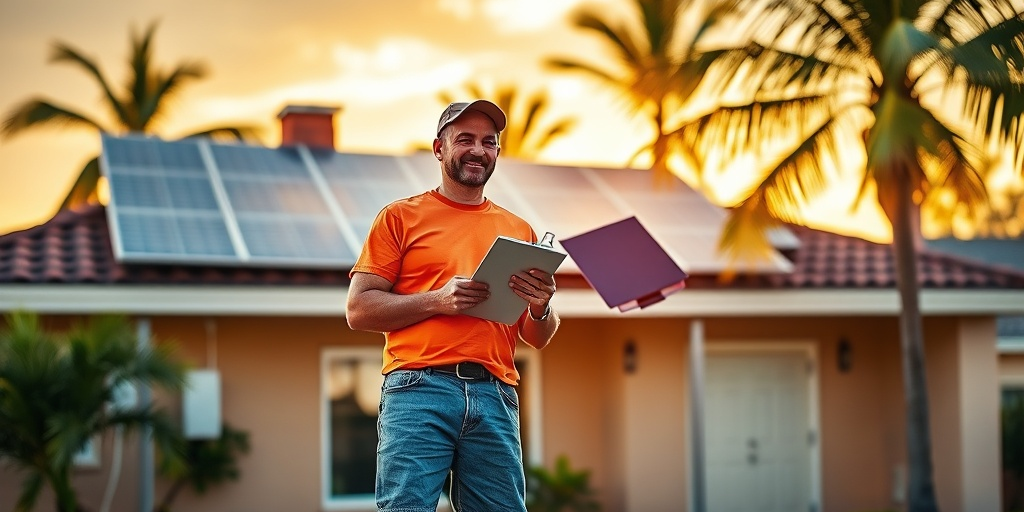
Imagine you’re a Florida homeowner excited about the prospect of switching to solar energy in 2025. You’ve read the statistics: approximately 30% of homes in Florida are already harnessing the sun’s power, contributing to a stunning reduction in energy costs and reliance on the grid. But amidst all this excitement lies a darker reality—one that puts your hard-earned money and dreams at risk. The article titled Warning: Avoid These Common Solar Scams to Protect Your Investment will guide you through the minefield of deception prevalent in the solar industry.
As the demand for solar installations continues to rise, particularly with new incentives and a growing focus on renewable energy, so do the fraudulent practices targeting eager homeowners. In fact, the Federal Trade Commission has noted a significant uptick in misleading solar advertisements, affecting many unsuspecting consumers (FTC.gov). This matter isn’t just important; it’s urgent. If you are a Florida homeowner contemplating solar investment, understanding how to detect these scams will be paramount in ensuring your transition to clean energy is both safe and profitable.
In this essential guide, you’ll learn how to identify and avoid prevalent scams, effective prevention strategies, and practical tips to take charge of your solar investment. We’ll kick off with an in-depth case study showcasing a common scam scenario, provide a checklist to keep you informed, dissect prevalent myths surrounding solar power, highlight specific scams that target Florida homeowners, and conclude with expert advice. Together, we will navigate the electrical currents of solar energy as you embrace a brighter, sustainable future.
Understanding Common Solar Scams: A Deep Dive
To better equip yourself against potential fraud, let’s examine a case study that highlights a prevalent scheme targeting unsuspecting homeowners.
Meet Sarah, a typical Florida homeowner who dreamed of cutting her electric bill by installing solar panels. Excited by the enticing advertisements promising significant financial savings and tax incentives, Sarah signed up with a company she found online. Initially, the process seemed seamless, but soon red flags started to emerge.
Upon delivery, the quality of the panels was subpar, and the promised savings were nowhere near the actual impact. The company had also hidden fees in small print, which dramatically inflated the overall installation cost. Additionally, when Sarah tried to reach customer service for assistance, the lines were often busy, and emails went unanswered.
Feeling trapped, Sarah learned that her experience was not unique. In fact, the solar industry has seen a rise in scams, especially in states like Florida—home to a booming solar market. According to a recent survey, nearly 20% of Florida residents who invested in solar reported substandard products or services (FloridaEnergy.gov). It’s critical to ensure that what you pay for aligns with your expectations and that you partner only with trustworthy providers.
Checklist: Avoiding Solar Scams
To help you steer clear of potential pitfalls in your solar investment, we’ve created a succinct checklist:
- Verify Licenses: Always verify that the contractor is licensed and insured. You can check state databases or ask for documentation directly.
- Read Reviews: Research customer reviews across multiple platforms. Look for patterns in complaints, especially concerning installation quality and customer service responsiveness.
- Request Multiple Quotes: Don’t settle for the first estimate. Collect and compare quotes from various companies to ensure a fair price and service scope.
- Avoid Pressure Sales: Be wary of high-pressure tactics. A legitimate contractor will provide you with ample time to consider your options without aggressive sales tactics.
- Understand the Contract: Scrutinize your contract for hidden fees, warranties, and product specifications. Consider consulting a legal expert if something feels unclear.
By sticking to this checklist, you can significantly minimize the risk of falling prey to deceitful tactics within the solar market. Now, let’s dispel some common myths surrounding solar energy that can cloud judgment.
Myth-Busting Common Misconceptions about Solar Power
Understanding these myths is crucial for any Florida homeowner looking to tap into solar energy. The following common misconceptions can often lead to confusion, especially when they are left unchallenged.
Myth #1: All Solar Panels are the Same
This isn’t true. Solar panels come with varying degrees of efficiency, durability, and warranties. Researching panel types, like monocrystalline vs. polycrystalline, will help you make an informed purchase. Quality panels usually come at a higher cost, but they often lead to better savings through efficiency.
Myth #2: Solar is Only for Wealthy Homeowners
With current financing options, such as solar loans, leases, and Power Purchase Agreements (PPAs), solar is more accessible than ever. Several state programs and federal incentives also work to reduce upfront costs for homeowners across various income brackets.
Myth #3: Solar Energy is Unreliable
Some skeptics argue that solar panels are inefficient in cloudy weather. While it’s true that sunlight directly impacts solar energy production, advancements in panel technology ensure that efficiency remains high in various weather conditions, including cloudy or rainy days.
Myth #4: Maintenance is Overwhelming
Solar panels require minimal maintenance, often just periodic cleaning and a check-up from a professional every few years. The biggest issues typically arise from installations done poorly—hence the importance of choosing a reputable installer.
Myth #5: You Don’t Save Money with Solar
Many homeowners experience significant savings on electricity bills after switching to solar energy. Some earn back their initial investment within a few years through tax credits, rebates, and net metering (NREL.gov) policies. Analyze your potential savings to see what solar can do for your finances.
With these myths dispelled, let’s turn our attention to local aspects you should be aware of in Florida.
Florida-Specific Scams and Regulations
In Florida, the rising popularity of solar energy has attracted its fair share of scams. One prevalent scam involves deceptive advertising that promises unrealistically high savings with little to no investment, often leading to homeowners signing contracts with companies lacking credible standing.
Another common practice involves misleading claims about the efficiency or long-term savings of specific products. According to the Florida Solar Energy Center, nearly 12% of solar installations in the state are flagged for lacking essential permits or contributions to necessary regulatory compliance (FSEC.org).
Florida residents should be particularly vigilant regarding financing agreements. Many companies offer “zero down” payment options, which can often lead to balloon payments later on. Transparency around costs is crucial.
Protective Measures for Florida Homeowners
- Engage with Certified Solar Contractors: Engage only with certified contractors who comply with Florida regulations. They should be able to showcase valid licenses and insurance.
- Utilize State Resources: Leverage resources from the Florida Solar Energy Center and other local authorities to understand legitimate energy-saving programs.
- Explore Consumer Education Courses: Many local organizations offer free workshops to educate homeowners about solar power, helping you discern fact from myth.
- Familiarize Yourself with State Policies: Stay informed about local regulations and incentives that might affect your solar installation and ensure your contractor is compliant.
With the local landscape elucidated, let’s move on to best practices to adopt when investing in solar energy.
5 Expert Solar Installation Tips for 2025
Installing solar panels might seem like a daunting task, but these tips will help you navigate the process smoothly, maximizing your investment.
Tip 1: Choose the Right Panel Placement
Panel placement impacts solar energy production significantly. A roof’s angle and orientation can affect output. Ensure your roof faces south or southwest to capture optimal sunlight throughout the day.
Tip 2: Don’t Skimp on Inverters
Invest in high-quality inverters, which convert the sunlight collected into usable electricity. The efficiency of your inverter can have a direct impact on your overall energy savings.
Tip 3: Consider Battery Storage
For Florida homeowners, having battery storage can provide substantial benefits. It allows you to store excess energy produced during the day for use at night or during outages, ensuring energy independence.
Tip 4: Understand Your Energy Needs
Before you install, calculate your energy needs accurately. Consider factors like seasonal variations, energy use trends, and future developments (like electric car charging), to ensure you select an appropriately sized system.
Tip 5: Stay Informed on Incentives
With plans changing frequently, staying informed about state and federal incentives will ensure you maximize your solar savings. Florida offers laudable tax exemptions and incentives designed to reduce installation costs.
By following these installation tips, you can ensure the solar journey is beneficial and cost-effective. Now, let’s take a longer look at the journey of a Florida homeowner considering switching to solar.
Journey of a Solar-Powered Florida Homeowner
Let’s explore the transformative journey of James, a fictional but relatable Florida homeowner contemplating solar energy.
James had spent years watching his electric bill rise steadily each summer, leaving him frustrated and stressed. He often felt like he had little control over his finances. Out of desperation and hope for change, he reached out to a few solar contractors. However, with so many options and heavy marketing, he felt overwhelmed and unsure whom to trust.
After initial consultations, one contractor stood out due to their transparency with pricing and their satisfaction guarantee. Their knowledgeable representatives provided data-backed insights about local incentives and effectively answered his concerns. They discussed how much James could save, breaking it down clearly based on his current energy consumption.
After conducting thorough research and checking references, James decided to move forward. He paid attention to these crucial aspects during his selection:
- Reputation of the Contractor: Detailed online reviews and solid references from past customers were vital.
- Quality of Equipment: He prioritized high-quality panels and inverters, understanding their impact on energy savings.
- Financial Options: The contractor provided multiple financing options, allowing him to choose what fit his budget best.
- Post-Installation Support: James asked about warranties and support, ensuring he could rely on assistance after installation.
Months later, after installation, he saw his electric bill reduced by over 50% in his first year. Not only had he maximized his savings, but he had also gained peace of mind knowing he was contributing to a more sustainable future. His solar panels became a source of pride and motivation for others in his neighborhood. Through careful research, transparency, and responsible investment, James thrived in his new solar-powered lifestyle.
Next Steps for Florida Solar Buyers in 2025
If you’re contemplating making the switch to solar energy, follow these structured next steps to optimize your investment:
- Audit Your Electric Bill: Analyze your electricity usage—knowing your energy consumption will help you determine the size and type of solar system you need.
- Research Local Installers: Compile a list of reputable local solar companies. Interview at least three, asking about their experience, certifications, and references.
- Investigate Financing Options: Explore various financing options that suit your budget—including solar loans, leases, and PPAs.
- Outline the Installation Process: Work with your chosen company to thoroughly understand the installation process, timelines, and maintenance requirements.
- Stay Engaged Post-Installation: After installation, ensure you maintain regular communication with your installer for upgrades and support.
Following these steps will empower you to make informed decisions while minimizing risks as you enter the exciting world of solar energy. As we draw this journey to a close, let’s recap the significance of navigating this journey wisely.
Conclusion
The transition to solar energy presents an incredible opportunity for Florida homeowners, but it must be navigated carefully to avoid scams that lurk in the shadows. By arming yourself with knowledge, utilizing checklists, dispelling myths, understanding local specifics, and adhering to best practices, you can confidently embrace solar energy in 2025.
This decision holds weight not only for your finances but for the future of our planet and your community. With energy prices expected to rise, now is the ideal time to protect yourself from predatory schemes while investing in a resource that offers immense long-term benefits.
Ready to start your solar journey in 2025? Connect with a certified expert at floridaelectricandsolar.com today.
“`
Related Articles
More insights about Solar Scams

Warning: Don’t Overlook These Solar Scams to Avoid

Don’t Miss This Critical Alert About Solar Scams

Don’t Ignore These Critical Solar Scams to Avoid
Ready to Go Solar?
Have questions about solar energy? Our experts are here to help you make the switch to clean, renewable energy.