
Warning: Avoid These Common Solar Scams to Protect Your Investment
Share:
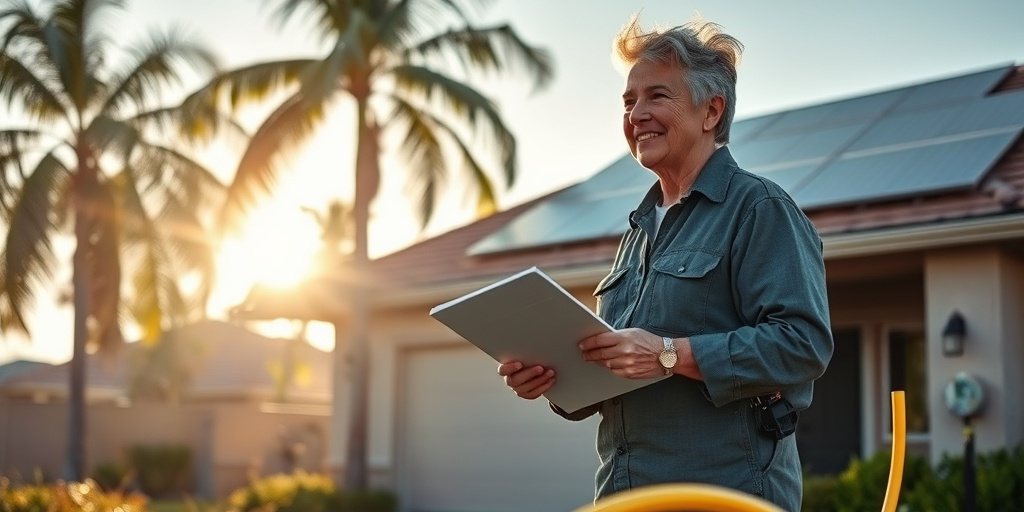
In an era where energy independence is becoming increasingly vital, solar power has emerged as a beacon of hope for homeowners looking to cut electric bills and maximize savings. But the road to going solar is riddled with potential pitfalls, especially for the unprepared. Warning: Avoid These Common Solar Scams to Protect Your Investment is a call to action for Florida homeowners considering solar panels in 2025. According to recent estimates, over 20% of Florida’s electricity consumption is derived from solar energy—making it clear that the Sunshine State is leading the charge towards a sustainable future (SEIA.org). However, with that surge in popularity comes an increase in scams, with nearly 30% of homeowners reporting being approached by dubious solar vendors (SolarReviews.com). In 2025, as new solar incentives and potential tax credits reshape the landscape, understanding how to identify and avoid scams will be crucial. This comprehensive guide will walk you through everything you need to know, breaking down five key sections: a case study of a Florida homeowner’s journey, a rigorous checklist to ensure a smart installation, common myths about solar, regional insights specific to Florida, and an in-depth look at the technicalities of solar technology. By the end, you’ll be equipped to invest wisely in your solar future.
Understanding the Dark Side of Solar: A Case Study
Meet Linda, a Florida homeowner who, like many others, dreamed of reducing her electric bills by installing solar panels. After doing extensive research online, she picked a company that seemed reputable based on flashy advertisements and persuasive salesperson claims. Soon after installation, Linda noticed irregularities in her electric bills and found herself caught in a confusing web of fees and promises unfulfilled. Linda’s story illuminates key warning signs that every homeowner should be aware of when navigating their solar options.
One of the biggest pitfalls Linda experienced was a miscalculation of potential solar savings. Many companies exaggerate the output of their panels, relying on optimistic projections rather than tangible data. In Linda’s case, she was promised that her solar panels would cover 90% of her energy needs, only to discover they barely met 50% due to shading issues from nearby trees. This serves as a stark reminder—it’s essential to ensure that your solar provider conducts a thorough site assessment before any installation work begins.
- Research the Installer: Look for reviews and testimonials from real customers. Websites like SolarReviews.com can provide transparency into a company’s reputation.
- Request Detailed Proposals: Aim to see a detailed projection of your system’s performance, including how they arrived at expected savings.
- Verify Accreditations: Ensure the installer is certified by reputable organizations, such as the North American Board of Certified Energy Practitioners (NABCEP).
Linda’s experience highlights how essential it is for homeowners to demand thorough documentation and to conduct research. Remember, a professional solar provider will be happy to provide testimonials, case studies, and case-specific estimates backed by data.
Essentially, understanding how to verify a solar provider’s claims not only protects your investment but also empowers you in making informed decisions about your energy needs. As scams proliferate, arming yourself with knowledge and resources is more critical than ever.
5 Essential Steps to Avoid Solar Scams
To safeguard your solar investment, understand the warning signs and best practices that will lead you to a reputable installer.
- Step 1: Conduct Thorough Research
Learn about potential solar providers by scouring local reviews and professional ratings. Check the Better Business Bureau for any complaints and focus on installers that have an established presence in your community. - Step 2: Get Multiple Quotes
Comparing estimates from three to five different companies will provide insight into typical pricing and terms within your region, allowing you to spot red flags more easily. - Step 3: Investigate Financing Options
Watch for companies pushing complicated financing plans. Reputable solar installers will present clear and transparent financing without hidden terms meant to bait customers. - Step 4: Ask About Warranties and Support
Ensure you inquire about warranties on panels and labor, along with post-installation support. A trustworthy company will stand by their work long after the installation is complete. - Step 5: Trust Your Instincts
If something feels off in your interactions—whether it’s pressure tactics, overly aggressive sales approaches, or vague responses—don’t hesitate to walk away.
By adhering to these steps, Florida homeowners can avoid entanglement in scams while enjoying the incredible benefits of solar power. Your energy independence starts with educated choices—and staying informed is your best shield against exploitation.
Solar Myths Debunked: What You Need to Know
Beneath the enthusiasm for solar, many myths can mislead even the savviest homeowner. Let’s set the record straight.
- Myth #1: Solar Panels Don’t Work in Florida due to Hurricane Risk
Contrary to popular belief, modern solar panels are engineered to withstand severe weather, including hurricanes. Florida’s experience with solar proves that annual sunshine is more than enough to justify installation (Energy.gov). - Myth #2: Solar is Too Expensive
When total lifecycle costs are considered, solar energy outstrips traditional power sources. State and federal incentives, including tax credits, can significantly bring down initial investments. - Myth #3: All Solar Companies Are Alike
Not every installer is created equal. Quality varies significantly; hence, doing your homework can help you differentiate between top-tier installers and those with less favorable ratings. - Myth #4: You Need Full Sunlight for Solar to Be Effective
While solar panels perform best in direct sunlight, they can still generate electricity on overcast days, making them suitable for a variety of climate conditions. - Myth #5: Once Installed, You’re Done
Maintenance is essential for the longevity of your solar system. Periodic checks and cleanings will ensure that your panels continue to operate at optimal levels.
Understanding these myths removes unnecessary fears and empowers homeowners to feel confident about embracing solar power. With technological advancements and increasing consumer awareness, solar energy is positioned to be more accessible than ever.
Understanding Florida’s Solar Market and Policy Insights
The solar landscape in Florida is rapidly evolving, especially with recent changes in legislation aimed at making solar energy more affordable for homeowners and businesses alike. In 2025, the market is expected to flourish even more, driven by favorable policies and increasing public interest.
Florida policymakers are implementing programs that promote energy efficiency and renewable energy, leading to a burgeoning demand for solar power. For instance, the Property Assessed Clean Energy (PACE) program supports financing solar installations by allowing homeowners to pay for the system through their property taxes (DSIREUSA.org). This innovative approach has made going solar more accessible and appealing for many homeowners.
- 1. Understanding Net Metering: This policy allows homeowners to receive credits for the excess energy their solar panels contribute to the grid, ultimately providing further savings.
- 2. Incentives and Rebates: Various state and federal incentives, including the Investment Tax Credit (ITC), can directly lower installation costs.
- 3. Interconnection Standards: Florida implements specific standards to make it easier for new solar systems to connect to the grid, ensuring smooth operation.
Keeping informed about these policies not only helps homeowners navigate the complexities of solar ownership but also outlines how to maximize their investment. By understanding these mechanisms, Florida homeowners can tap into everything the market has to offer.
Your Next Steps: An Action Plan for Solar Investment in 2025
Understanding the solar landscape is only halfway to investing wisely. Here’s your actionable plan to minimize risks associated with solar scams and pave your way to solar success:
- Step 1: Audit Your Electric Bill
Examine your monthly expenses to determine how much you could save with solar energy. This will set the foundation for your investment expectations. - Step 2: Determine Your Energy Needs
Assess your current and future electricity consumption patterns to size your solar system appropriately, avoiding unnecessary costs. - Step 3: Research Home Solar Systems
From equipment to installation, research varieties of systems and their associated costs to choose the right fit for your needs. - Step 4: Choose a Reputable Installer
Always refer to the research you’ve gathered to identify a certified solar installer with excellent community reviews. - Step 5: Finalize Your Financing
Ensure you understand all the financing options available for your solar installation and don’t be afraid to ask questions.
Taking each of these steps will minimize any potential scams while maximizing the return on your investment. Remember, being proactive and well-informed is the cornerstone of solar ownership.
In conclusion, the journey towards adopting solar energy is as rewarding as it is complex. While the potential for cutting electric bills and contributing to a cleaner future is enticing, it is essential to navigate the landscape with caution, informed by knowledge and vigilance. Avoiding scams and ensuring your investment is sound is key to enjoying all the benefits that solar power offers. Ready to start your solar journey in 2025? Connect with a certified expert at floridaelectricandsolar.com today.
Related Articles
More insights about Solar Scams

Warning: Don’t Overlook These Solar Scams to Avoid

Don’t Miss This Critical Alert About Solar Scams

Don’t Ignore These Critical Solar Scams to Avoid
Ready to Go Solar?
Have questions about solar energy? Our experts are here to help you make the switch to clean, renewable energy.