
Warning: Avoid These Costly Solar Panel Installation Mistakes
Share:
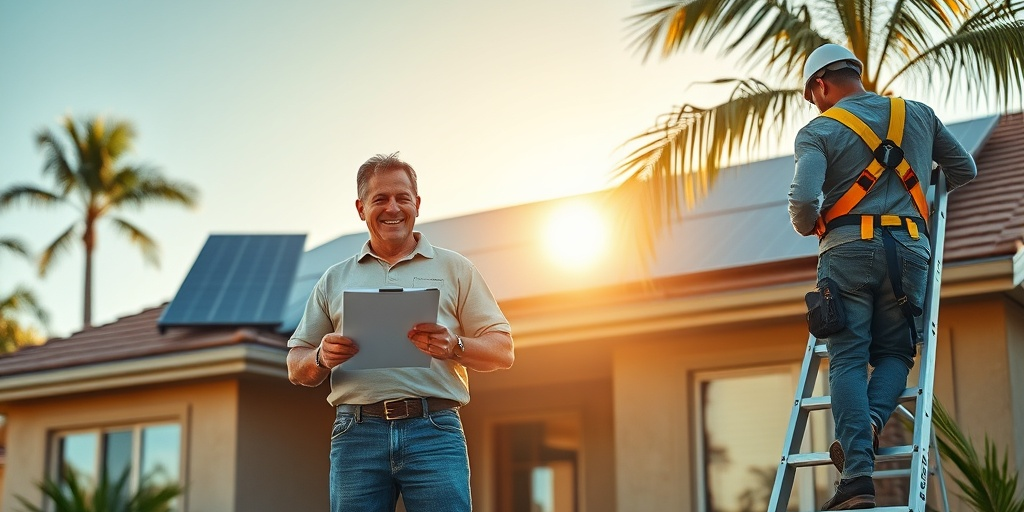
As homeowners and businesses across Florida grapple with rising electric prices and an unstable power grid, the urgency to switch to renewable energy sources like solar power has never been more pronounced. In fact, according to the Solar Energy Industries Association (SEIA), solar energy has grown nearly 200% in Florida over the past decade, and this trend is only set to accelerate. Unfortunately, many individuals diving into solar investments overlook critical aspects of the installation process, leading to costly mistakes. This is why it’s vital to address the topic at hand: Warning: Avoid These Costly Solar Panel Installation Mistakes. Did you know that over 80% of new solar installations in Florida are not optimized for efficiency, which can deter homeowners from achieving peak energy savings? With the introduction of new federal solar incentives in 2025, the time to understand the pitfalls of solar installation is now, not later. This article will guide you through five essential sections to consider: a deep dive into common mistakes, a comprehensive checklist for successful installation, debunking myths surrounding solar panel technology, best practices for a flawless installation journey, and an action plan tailored for Florida homeowners.
Understanding the Costly Solar Panel Installation Mistakes
Everyone dreams of reducing their electric bills while opting for a sustainable energy solution. However, a misstep in the solar panel installation process can result in significant cost overruns and inefficiencies. Consider the story of Lisa and Tom, a couple living in Orlando. In 2024, they decided to invest in solar panels to cut their electric bills. Confidently, they chose a popular local installer without conducting thorough research. Unfortunately, the installation was plagued by multiple issues: misaligned panels, an inadequate inverter, and subpar customer support, leading to delays in energy production and substantial financial losses. Not only might they have overpaid for their system, but they also missed out on potential rebates and savings due to the installation being incomplete. Therefore, it is essential to heed the lessons from their experience. Let’s explore a checklist of critical steps that will safeguard you against these costly mistakes.
Checklist for Successful Solar Panel Installation
Step 1: Thoroughly Research Your Installer
Before signing any contracts, investigate potential installers. Look for reviews, accreditations, and certifications. Seek out real customer testimonials and case studies. Vendor credibility defines the success of your solar project.
Step 2: Understand Local Policies and Incentives
Familiarize yourself with state-specific regulations and incentives. Florida’s solar policies can differ significantly from other states, and knowing these can tremendously benefit your wallet. The state is known for offering attractive solar incentives, including tax credits and rebates, so don’t overlook these financial benefits.
Step 3: Evaluate Your Property’s Solar Potential
Conduct a complete energy audit and understand how much sunlight your roof receives throughout the year. If necessary, consider professional solar site assessments. Properties with high shading issues may require specialized solutions like microinverters or battery storage solutions to optimize performance.
Step 4: Don’t Forget Aesthetics and Placement
Solar panel placement matters! It must align with energy goals and aesthetics. Choose locations that complement your roofing style and maximize exposure to sunlight, while complying with local zoning regulations.
Step 5: Review Your Warranty Terms
Warranties often cover parts of the installation but may differ among installers. Ensure that your agreement includes robust warranty coverage on both equipment and the installation workmanship. Pay special attention to terms that may void the warranty after specific actions.
By adhering to this checklist, Florida homeowners can minimize potential complications associated with solar panel installation. Now let’s explore some prevalent myths regarding solar energy that frequently confuse prospective solar buyers.
Debunking Common Solar Myths
Myth #1: Solar Panels are Too Expensive
Many believe solar panels require an initial investment that is beyond their financial reach. However, advances in technology and state incentives have significantly reduced costs. The average price of solar panel installations has dropped over 70% since 2010, making solar energy more accessible for many homeowners.
Myth #2: Solar Panels Only Work in Sunny Areas
While Florida’s sunny climate is ideal for solar, even on cloudy days, solar panels can still generate electricity. Cloud coverage may reduce efficiency, but it doesn’t eliminate output. Moreover, with the integration of battery systems, homeowners can store excess energy for later use.
Myth #3: Only New Homes Can Benefit from Solar
No matter the age of your home, solar power can still provide savings. Older homes may require roofing or structural adjustments, and knowing this in advance can result in better long-term investments.
Myth #4: Solar Panels Require High Maintenance
In reality, solar panels are relatively low-maintenance but do require occasional checks and cleaning. Regular inspections can boost performance and prolong the lifespan of panels significantly.
Myth #5: Once Installed, Solar is Set and Forget
Consistent monitoring of performance is essential. Homeowners should track their energy production and be mindful of any changes that could indicate a need for maintenance to keep saving effectively.
By dispelling these myths, Florida homeowners can approach their solar journey with a clear perspective. Next, we will highlight essential best practices to ensure a successful solar installation.
5 Expert Solar Installation Tips for 2025
Transitioning to solar can be a complex journey, but implementing best practices will pave your way to a seamless experience. Here are five expert tips to steer clear of common pitfalls:
Tip #1: Engage in Pre-Installation Consultation
Host consultations before installation to clarify expectations and energy goals. Engage installers in meaningful discussions around your project’s aims, financing options, and overall layouts. Clear communication sets the groundwork for a successful installment.
Tip #2: Be Mindful of System Sizing
Don’t fall prey to overestimating your energy requirements. Properly sizing your solar system can prevent overspending while ensuring that you harness sufficient energy. Evaluate your past consumption patterns for precise sizing to suit your needs.
Tip #3: Investigate Financing Options
Research and compare financing options. Different financing avenues, such as loans, leases, or power purchase agreements (PPAs), may suit varied financial situations. Choose a financing route that offers the best return on investment based on usage.
Tip #4: Collaborate with Local Experts
Utilizing local installers who understand Florida’s environment and regulations can make a substantial difference. Their expertise ensures compliance and optimization tailored specifically to Florida weather conditions.
Tip #5: Monitor Long-Term Performance
Post-installation, it is crucial to monitor system performance. Utilize energy management systems or software to track efficiency and ensure you’re meeting savings goals. If irregularities arise, act swiftly for deviation correction.
These five best practices will help streamline your solar installation experience and maximize benefits. With solar energy becoming increasingly popular in residential spaces, we’ll now share insights into a fictional yet relatable homeowner’s solar journey in Florida.
A Solar Journey: Meet the Smiths
Meet the Smith family, who live in Tallahassee and decided to transition to solar power in 2024. After witnessing rapid increases in utility bills, they realized it was time for a change. Research and education were priorities for the Smiths as they learned about Florida’s incentives, most notably the Federal Solar Tax Credit, which offers a deduction of up to 26% on solar system installation costs.
In their pursuit of solar energy, the Smiths followed a detailed checklist:
- Assessment: They evaluated their 12-month energy use to comprehend how much power they required.
- Research: They researched multiple financial options and chose a solar loan with a low interest rate.
- Site Evaluation: They hired a local installer to conduct a site evaluation that suggested roof reinforcements for optimal panel performance.
- Planning: They worked closely with their contractor to select an appropriate solar system tailored for their split-level home.
- Installation: After a successful installation phase, they celebrated the switch to solar!
Post-installation, the Smiths consistently monitor their output via smart home technology. By evaluating this data, they’ve seen energy savings translate into financial savings—realizing a 70% reduction in their monthly electric bills. Their journey exemplifies a typical experience for many Florida households making the transition to solar energy, highlighting how informed decisions improve overall outcomes.
Next Steps for Florida Solar Buyers in 2025
As a prospective solar buyer, you might be overwhelmed by the wealth of information available. However, breaking the process down into manageable steps can alleviate the confusion. Follow this action plan:
Step 1: Audit Your Electric Bill
Assess your recent electric bills to understand your current usage and costs. This will help inform your system size and financial planning.
Step 2: Assess Your Property for Solar Suitability
Inquire whether your roof gets ample sunlight and is structurally sound for panel installation. Referral to trusted contractors can be invaluable.
Step 3: Research Solar Installers in Your Area
Focus on local businesses and read reviews. Compile a list of questions to ask potential installers about warranties, performance expectations, and financing options.
Step 4: Apply for Incentives and Financing
Take time to compare financing plans and figure out which incentives may be available. Utilize local, state, or federal programs to enhance your savings.
Step 5: Schedule Installation
Once you’ve vetted your options, it’s time to schedule installation. Prepare your home and family for the temporary disruption during this phase.
Ready to start your solar journey in 2025? Connect with a certified expert at floridaelectricandsolar.com today. Through careful planning, thoughtful engagement with local providers, and adherence to precise protocols, you too can harness the power of the sun, ensuring a sustainable energy future for your Florida home.
Related Articles
More insights about Solar Panel

Florida Homeowners: Why Solar Panel Maintenance Is Essential

7 Essential Steps for Solar Panel Installation Success

Expert Insights: Key Factors Influencing Solar Panel Lifespan
Ready to Go Solar?
Have questions about solar energy? Our experts are here to help you make the switch to clean, renewable energy.