
Warning: Avoid These Critical Solar Scams to Save Money
Share:
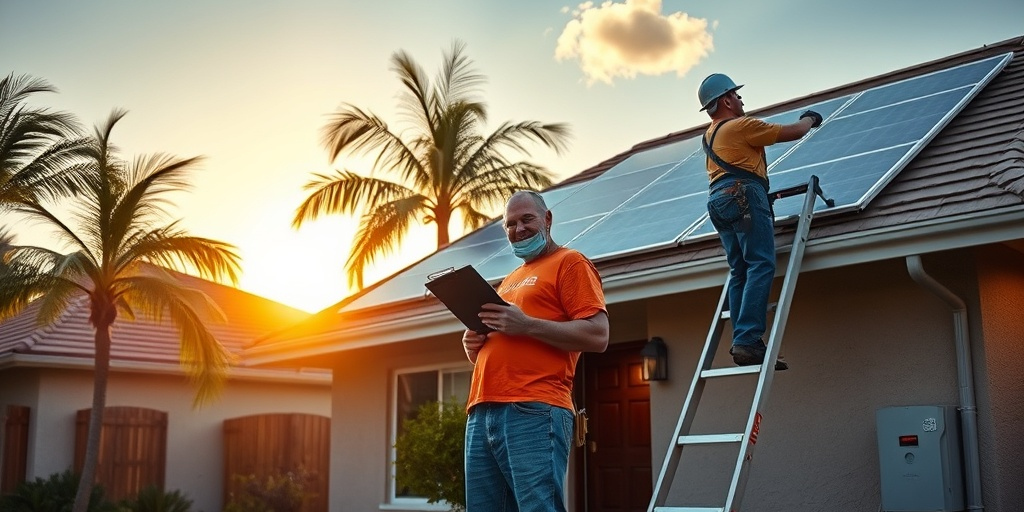
Warning: Avoid These Critical Solar Scams to Save Money. Did you know that in the first half of 2025 alone, the solar market in the United States is projected to grow significantly, adding over 20 gigawatts of new capacity, with Florida being a crucial player exemplifying this growth? This translates to immense opportunities for homeowners and commercial property owners looking to maximize utility savings. However, with new opportunities come potential pitfalls, particularly for those unprepared for the upcoming wave of scams preying on unsuspecting consumers eager to go solar. In fact, an alarming 30% of Americans have faced some form of deceptive marketing or outright scams when pursuing solar installations (SolarReviews.com). As energy costs continue to rise, and new incentives encourage a shift to renewable energy, ensuring you avoid these critical solar scams is more vital than ever in 2025.
This blog post will guide you through the prevalent scams and what to look for to protect your investment. Together, we’ll explore five key sections:
1. A deep dive into prevalent solar scams;
2. An actionable checklist to avoid falling into traps;
3. Myth-busting common misconceptions about solar installations;
4. Florida-focused statistics and information relevant to your local market;
5. A technical deep dive analyzing how to best protect yourself when making decisions regarding your solar setup.
Understanding Prevalent Solar Scams: The Dark Side of a Bright Future
As solar energy gains traction across the nation, so do the opportunities for dishonest practices. These scams threaten to undermine the legitimate efforts that provide consumers with sustainable power solutions. Consider the story of Laura, a Florida homeowner who was eager to reduce her utility bills through solar energy. After receiving an unsolicited phone call promising instant savings and federal incentives, she inadvertently signed a contract that would ultimately cost her thousands in hidden fees and costly equipment upgrades. Laura’s experience is not an isolated incident. Across the nation, individuals like her fall prey to deceptive marketing tactics, often losing not just time, but money that could have gone toward a legitimate solar investment.
- Case Study: Laura’s Trust in an Ad:
- Checklist: Steps to Protect Yourself:
Laura was excited about the prospect of solar power. A flashy advertisement caught her attention, claiming immediate savings with no initial payment. However, after signing, she noticed numerous hidden fees, which were not disclosed in the contract. Nearly 40% of those who make the switch to solar report that they encounter issues with their contracts after installation (SEIA.org).
- Always conduct thorough research on companies before signing contracts.
- Secure at least three quotes to evaluate your options.
- Look for customer reviews and testimonials on trustworthy platforms.
- Discuss fine print—ensure all fiduciary responsibilities are clear.
- Consult with local Florida energy experts for regulations in your area.
A common myth about solar panels is that every installation qualifies for tax credits. Myth #1: “If I use solar energy, I will always get tax credits.” Truth is, incentives depend on many factors, including your state and system size. Scams exploit this confusion, enticing customers with fraudulent contracts and misleading offers.
In Florida, the latest research indicates that the cost of electricity continues to climb, making consumer awareness all the more paramount (Florida Power & Light). Moreover, Florida has become one of the leading states for solar energy installations, with over 1 million solar systems providing energy across the state, yet scams remain a persistent issue as demand increases.
As we delve deeper, it’s critical to differentiate between reputable services providing quality installations and those looking to exploit enthusiasm for solar power. The choice in solar panels, inverters, and batteries will lay the foundation for your solar experience. Some of the prevalent scams revolve around up-selling overpriced equipment that is poorly suited for your needs. Myth #2: “All solar panels are created equal.” The truth is that panel efficiency varies significantly based on the manufacturer, which will directly impact your overall investment and savings.
Also critical to understand are the components of your solar system. Investing in a high-quality inverter vs. a cheap alternative can mean the difference between long-lasting savings or frequent replacements. Scammers will often market low-end products as premium or mislead you about the quality of equipment that they are offering. In the next section, we’ll explore how to arm yourself with the knowledge you need to steer clear of these scams.
How to Protect Yourself: A Solar Safeguard Checklist
When considering solar energy, having a robust plan can save you headaches and financial loss. Here are actionable steps you can take to ensure you’re making informed decisions while avoiding any pitfalls.
- Step 1: Research Thoroughly: Start by identifying reputable solar companies in Florida. Look for reviews, ratings, and testimonials. Websites like floridaelectricandsolar.com provide excellent insights and resources to assist in your evaluation.
- Step 2: Obtain Multiple Quotes: Don’t settle for the first quote you receive; gather at least three different estimates. This provides a comparative analysis of the costs and available options in your region.
- Step 3: Understand the Contract: Before signing, read the full contract, paying special attention to the clauses covering warranties, maintenance, and system performance guarantees. Don’t be afraid to ask questions!
- Step 4: Verify Licensing and Certification: Confirm that the installation company is properly licensed in Florida and consult state regulatory bodies for certifications. Local certifications are often a red flag when choosing a provider.
- Step 5: Seek Local Expertise: Knowledgeable local solar experts will give you insight into Florida-specific renewable programs and potential incentives. Utilize community resources to find reliable contacts.
As you step into this new energy arena, recognizing scams that can derail your solar journey will empower you to make confident decisions. Unfortunately, the allure of saving money can be exploited by bad actors. Myth #3: “Solar systems require no maintenance.” While it’s true that solar panels typically require less upkeep than traditional power sources, they do require occasional care and system checks to ensure optimal functionality.
Local focus is critical here, as Florida’s climate and weather patterns can impact solar efficiency. Heavy storms or regular sunlight availability can impact your system’s return on investment. In Florida, your system should be resilient enough to withstand the elements while generating adequate power year-round (NREL.gov).
In our technical deep-dive, we will analyze further how complex technologies come together to produce sustainable power without falling prey to dishonest practices.
5 Expert Solar Installation Tips for 2025
As technology continues to evolve, so do practices around solar installations. Here are five expert tips to ensure your installation is both successful and worthwhile.
- Tip 1: Prioritize Quality Equipment: Don’t skimp on the overall quality of your solar power system. Ensure you’re investing in high-efficiency panels and durable inverters suited for Florida weather conditions.
- Tip 2: Choose the Right Installer: Select contractors with extensive experience and positive customer feedback. Verify their history of successful installations within your area.
- Tip 3: Assess Your Energy Needs: Evaluate your energy consumption accurately. A good professional will determine what type of system is best suited for your unique needs.
- Tip 4: Consider Battery Storage: In 2025, battery technology will be crucial to enhancing your solar setup, providing backup power during outages and maximizing your solar savings.
- Tip 5: Keep Up with State Policies: Regulations and incentives can change; inform yourself about any new rebates or financing options that become available in Florida.
Referencing excellent local resources will help you stay updated with regulations and offerings from reputable providers. Remember that staying educated is your best defense against scams that prey on eager consumers.
The Journey to Solar Energy: A Florida Homeowner’s Narrative
Let’s take a step back and delve into a fictional but realistic narrative of a Florida homeowner’s journey towards sustainable energy. Meet Tom, a single father from Orlando eager to provide a better future for his children while cutting utility bills. After several months of research and cautious consultations, he decided to invest in solar energy.
- Assessment Phase: Tom evaluated his electric bills and consulted various providers. He received two detailed quotes and learned about potential savings compared to his current expenses.
- Installation Insights: Post-research, Tom chose a local installer due to their stellar reviews and past success in similar homes. He ensured his contract covered warranty details, shifts in energy costs, and maintenance checks.
- Long-term envisioning: After installing his system, Tom opted for battery storage as a safeguard against outages. This solution allows him to harness more of the solar power generated.
- Continuous Monitoring: Tom uses online tools to monitor energy production daily, leading to peace of mind and constant awareness of how effectively his system performs.
This journey highlights several essential points as Tom progresses through the solar landscape, and he remains vigilant to avoid potential scams that could shake his financial footing. The transition to solar power requires diligence and education, especially as the 2025 market offers a wealth of opportunities, alongside growing threats.
Next Steps for Florida Solar Buyers in 2025
Implementing your solar journey successfully means knowing the action steps toward protecting your investment. Here’s a simplified checklist that can guide you in the journey.
- Step 1: Audit Your Electric Bill: Analyze your past utility bills and forecast savings accurately. This will give you a clearer picture of your potential ROI.
- Step 2: Reach Out to Local Experts: Connect with certified solar consultants who can enlighten you about available options in your community.
- Step 3: Discuss Your Options with Providers: Discuss time-sensitive incentives or rebates that may be available next year!
- Step 4: Schedule Installation Dates: Once you’ve chosen your provider, stay in touch about dates for installation. Being proactive reduces uncertainties and enhances satisfaction.
- Step 5: Share Your Journey: Once successful, share your experience and guide others in your community to aid them in avoiding potential scams.
Investment in solar energy isn’t just about powering your home; it’s about investing in the community and the planet for future generations. The importance of localized knowledge can’t be overstated as it can lead to both financial success as well as confirm legitimate practices.
In summary, the world of solar energy holds monumental promise, but with great opportunity comes equal challenges, especially as fraudsters expand their reach. As a Florida homeowner, prioritizing education from reputable sources safeguards your journey, allowing you to maximize both savings and long-term energy sustainability. Recognizing solar scams will protect your investment and empower you to engage confidently in the renewable energy future.
Ready to start your solar journey in 2025? Connect with a certified expert at floridaelectricandsolar.com today.
Related Articles
More insights about Solar Scams

Warning: Don’t Overlook These Solar Scams to Avoid

Don’t Miss This Critical Alert About Solar Scams

Don’t Ignore These Critical Solar Scams to Avoid
Ready to Go Solar?
Have questions about solar energy? Our experts are here to help you make the switch to clean, renewable energy.