
Warning: Don’t Overlook These Critical Solar Scams to Avoid
Share:
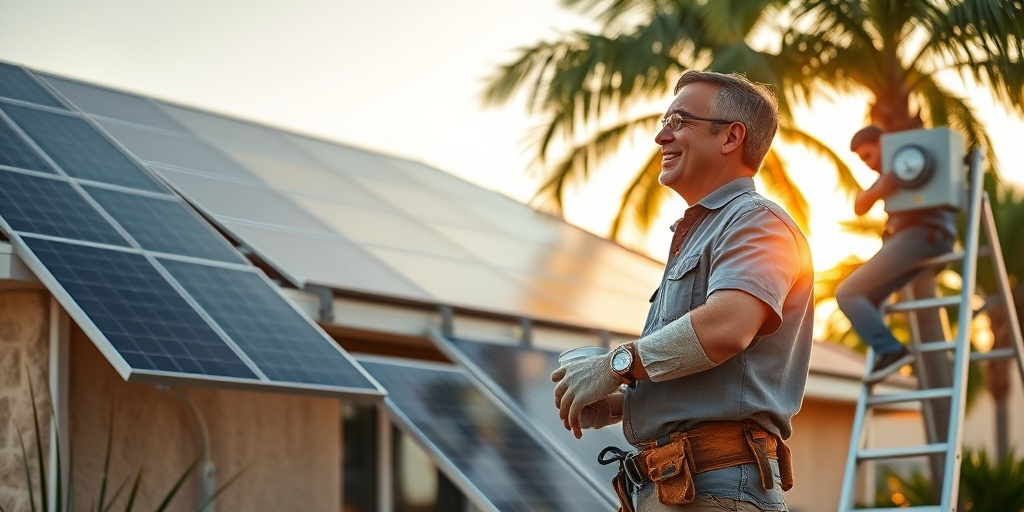
Are you aware that over 60% of solar customers in the U.S. are facing issues with contractor-related scams or misinformation? This statistic lays bare the potential pitfalls awaiting Florida homeowners and commercial property owners as they navigate the exciting prospect of solar energy in 2025. In a world increasingly recognizing the immense benefits of cutting electric bills, maximizing solar savings, and owning your power, the prospect of solar energy has never looked brighter. Yet, with this growth comes the lurking threat of scams—especially against a backdrop of rising energy costs and ever-evolving solar policies. We must address this head-on in our blog titled Warning: Don’t Overlook These Critical Solar Scams to Avoid. In Florida, where sunlight is abundant and incentives are expanding, it’s essential to shield yourself against the latest fraudulent solar tax credit schemes and untrustworthy contractors.
As we move towards 2025, the relevance of understanding solar scams has never been greater, with new initiatives and state policies tipping the scales for a thriving clean energy economy. Today, we will dissect this critical topic through five essential sections: we will dive into a real-life case study showcasing the stakes for Florida homeowners, develop an actionable checklist you can use, reveal common myths surrounding solar energy, focus on local statistics and policies affecting Floridians, and finally—provide a technical deep-dive into solar energy systems. By the end of this blog, you’ll be equipped to recognize the red flags and ensure that your solar investment is both fruitful and secure.
Unmasking Solar Scams: A Cautionary Tale for Florida Homeowners
Imagine the sun is setting over a picturesque neighborhood in Florida. Homeowner Lisa recently decided to invest in solar panels after hearing about the savings her neighbor, Tom, enjoyed since making the switch. Convinced by promises of lower electricity bills and the allure of government tax credits, Lisa eagerly reached out to a local contractor advertising a “bargain” solar package. However, unbeknownst to Lisa, she was about to uncover the lurking dangers of solar scams.
After contracting with the company, Lisa noticed that her utility bills didn’t decrease as promised. Unable to get in touch with the contractor for clarity, she began to realize that she had fallen for a misleading promotion. In just weeks, it became apparent that the installation quality was subpar, prompting her to investigate further. Unfortunately, she was not alone—over 20,000 complaints concerning shady solar firms have been reported in Florida over the past year alone (SolarReviews.com).
To protect yourself, understanding the signs of solar scams is crucial. Here’s a checklist for success:
- Step 1: Verify Contractor Credentials—Make sure they have licenses, insurance, and a solid track record.
- Step 2: Ask for References—Talk to previous clients to gauge satisfaction.
- Step 3: Scrutinize Contracts—Read all details, particularly regarding financing and warranties.
- Step 4: Be Wary of Unsolicited Offers—If it sounds too good to be true, it probably is.
- Step 5: Research Tax Incentives—Ensure you are informed about actual incentives available in Florida (SEIA.org).
By equipping yourself with this knowledge, you can steer clear of misrepresentation and scams. As we move forward, let’s debunk some widespread myths that have built up around solar energy.
Debunking Solar Myths: Separating Fact from Fiction
Solar energy is often shrouded in misconceptions that can deter wary homeowners from embracing this green revolution. Let’s tackle a few prevalent myths that mislead and misinform homeowners—especially in a vibrant solar market like Florida.
- Myth #1: Solar Panels Only Work in Sunny Climates. Contrary to this belief, solar panels can generate electricity even on cloudy days—they are designed to capture a range of light frequencies, making them effective regardless of weather conditions.
- Myth #2: Solar Energy is Too Expensive to Install. While the upfront cost can be significant, the long-term savings often outweigh initial investments. Florida homeowners can take advantage of incentives that reduce installation costs by thousands of dollars, including federal tax credits and local rebates (Energy.gov).
- Myth #3: Solar Systems Require Too Much Maintenance. In reality, solar panels are typically low maintenance. Most systems come with warranties of 20-25 years, requiring only occasional cleaning and inspection.
- Myth #4: Solar Installation Leads to a Decrease in Property Value. Surveys have shown that homes with solar installations can sell for 4% to 5% more than homes without, making solar a valuable asset rather than a liability.
- Myth #5: You Can Only Take Advantage of Solar If You Have a High Income. Various financing options are available, including leases, power purchase agreements, and low-interest loans that make solar accessible for a range of incomes.
Understanding these myths can empower Florida residents to make informed decisions. When combined with the right information, the savings and energy independence offered by solar become clear. Let’s pivot to a local perspective, examining Florida-specific data and regulations that pertain to potential solar investors.
Florida-Specific Insights: The Solar Landscape and Its Challenges
Florida, often dubbed the “Sunshine State,” has been at the forefront of the solar revolution in the United States. With approximately 25% of Florida homeowners considering going solar in the next two years, it’s crucial to navigate this rapidly evolving market with caution. While the future looks bright, it’s marred by numerous fraudulent activities attempting to exploit this popularity (NREL.gov).
Here are some alarming statistics that illustrate the urgency of understanding and avoiding scams:
- As of 2023, nearly 330,000 installed solar systems are operating in Florida, but complaints about scams have surged by 40% over the past year.
- Approximately $2 billion in solar tax credits are due to go unclaimed in 2025 due to citizens falling prey to fraudsters who promise false savings.
- Florida had approximately 12% of the nation’s total solar capacity in 2022, but it’s also a hotspot for fraudulent contractors—especially in low-income neighborhoods.
While the state has initiated programs such as Property Assessed Clean Energy (PACE) financing to support solar installations, loopholes remain. Unscrupulous companies often target those unfamiliar with the benefits of solar energy, especially the growing number of residents seeking lower utility bills (DSIREUSA.org). The local policies currently in place are aimed at encouraging clean energy adoption but also reflect the urgent need for public education on recognizing scams.
Florida homeowners need to remain vigilant by staying informed about the local solar landscape as they embark on their solar journey. As we unfold the complexity of solar technology next, we will give particular attention to essential components crucial for a successful installation.
The Technical Deep-Dive: Understanding Your Solar System
A successful solar energy system hinges not just on your contractor but on knowing the technology behind it. A fundamental understanding of solar panels, inverters, and batteries can make all the difference in ensuring you choose wisely and avoid scams.
Here are key components of a solar system to understand:
- Solar Panels: Composed of photovoltaic cells, these panels convert sunlight into electricity. It’s critical to research brands and understand the efficiency ratings (typically ranging from 15% to 22%).
- Inverters: These devices convert the direct current (DC) electricity generated by solar panels into alternating current (AC) which powers your home. String inverters are standard, while microinverters offer greater efficiency—consider the specifications in your contract.
- Batteries: Solar battery storage is essential for energy independence. While the technology has advanced significantly, not all systems include batteries, and they often add costs to your installation.
- Monitoring Systems: These systems allow homeowners to track energy production and consumption in real time, helping to optimize usage and identify potential issues quickly.
Understanding these critical components will enable you to talk knowledgeably with contractors and weed out those who can’t substantiate their claims. Florida homeowners should also investigate performance guarantees, warranties, and service options within their proposed contracts. Now, let’s piece together an actionable plan for every homeowner considering the switch to solar in 2025.
Next Steps for Florida Solar Buyers in 2025
If you’re ready to go solar but wary of scams, follow this step-by-step action plan to lessen your risk and maximize your benefits. Taking deliberate steps will ensure that you make informed decisions as you transition into renewable energy.
- Step 1: Audit Your Electric Bill. Understand your electricity usage and costs to determine what size solar system you need.
- Step 2: Research Local Incentives. Keep abreast of applicable tax credits and rebates in your area, particularly state-specific initiatives that could ease your financial burden.
- Step 3: Create a Shortlist of Contractors. Look for reviews and testimonials that highlight successful installations and customer satisfaction. Companies with a strong reputation will offer warranties and service guarantees.
- Step 4: Schedule Consultations. Meet with multiple contractors to compare quotes, services, and financing options—as well as understand their business practices.
- Step 5: Review Contracts Thoroughly. Pay close attention to hidden fees, maintenance responsibilities, and the clarity of warranties, ensuring they meet the expectations set during consultations.
By following this structured approach, Florida homeowners can reduce friction and make educated choices that protect their investment. For more personalized support, visit floridaelectricandsolar.com where you can connect with certified experts who will guide you through each step of the solar installation process.
Conclusion: Your Solar Voyage Starts Now
The journey towards installing solar energy is both exhilarating and daunting, particularly when aware of the scams that make this ride bumpy. However, by understanding critical elements like technical specifics, market insights, and common fraud practices, you can navigate your path with confidence. As our exploration of Warning: Don’t Overlook These Critical Solar Scams to Avoid showed, Florida homeowners must stay vigilant against deceptive companies while seeking renewable energy solutions that reduce costs and environmental impact.
Moreover, the potential savings—combined with government support and a clearer energy future—are worth the effort to do your due diligence. As you incorporate solar energy into your home, remember that your decisions shape not just your own future but that of the environment as well.
Ready to start your solar journey in 2025? Connect with a certified expert at floridaelectricandsolar.com today.
Related Articles
More insights about Solar Scams

Warning: Don’t Overlook These Solar Scams to Avoid

Don’t Miss This Critical Alert About Solar Scams

Don’t Ignore These Critical Solar Scams to Avoid
Ready to Go Solar?
Have questions about solar energy? Our experts are here to help you make the switch to clean, renewable energy.