
Important Warning: Avoid These Solar Scams to Protect Your Investment
Share:
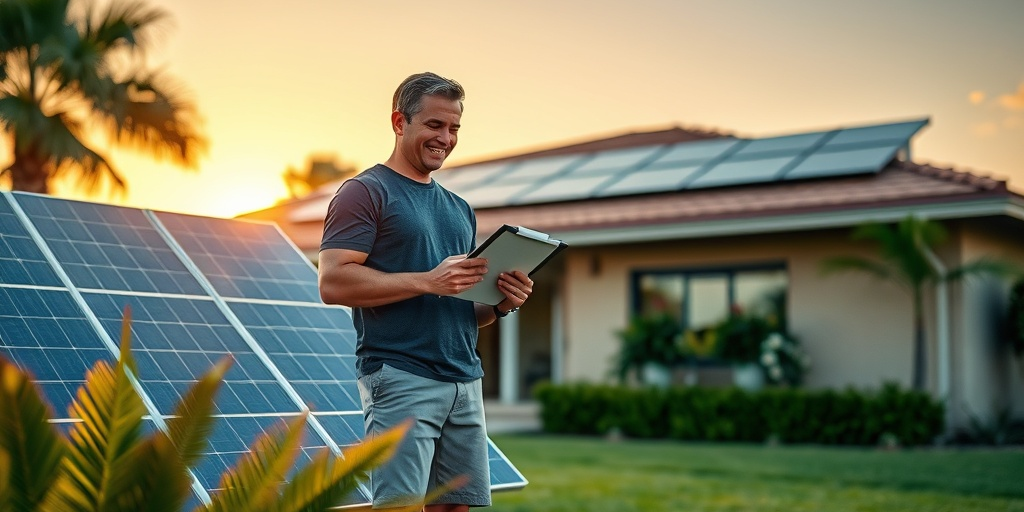
As Florida homeowners continue to navigate the complexities of solar energy, it’s important to stay informed about potential pitfalls that could jeopardize your investment. Did you know that solar panel scams increased by over 30% in recent years due to a surge in sunshine-seeking customers? Unfortunately, many unsuspecting homeowners fall victim to these schemes, resulting in unexpected costs, subpar installations, and even legal troubles. The article title says it all: Important Warning: Avoid These Solar Scams to Protect Your Investment. According to a recent report, nearly 25% of solar customers regret their purchase due to unfulfilled promises by unscrupulous sales teams (SEIA.org). This is a staggering statistic that emphasizes the urgency of understanding the potential risks as we head into 2025, a year promising new solar incentives but also rife with opportunities for deception. In this detailed guide, we’ll explore five crucial sections: a case study highlighting a homeowner’s experience, a checklist to identify red flags, common myths surrounding solar, Florida-specific insights, and a technical deep dive to equip you against the scams targeting solar buyers.
Spotting Solar Scams: A Cautionary Tale from a Florida Homeowner
Meet Sarah, a passionate Florida homeowner eager to embrace solar energy. Drawn in by the allure of cutting her electric bill by 70%, she eagerly signed a contract with a well-advertised solar company claiming to provide top-of-the-line equipment and expert service. However, as the weeks turned into months, Sarah faced mounting frustration. The installation was pushed back repeatedly, and the panels that eventually went up were not the high-efficiency models she had been promised. She found herself stuck in a contract that had hidden fees and penalties for early termination—an experience that turned her dream into a nightmare.
Let’s unpack Sarah’s experience and highlight several actionable steps to prevent others from falling into the same trap.
- Thorough Research: Before committing, research the company’s reputation. Look for reviews and ratings and verify the credentials of their installers.
- Understand Contracts: Read the fine print. Contracts should clearly outline costs, warranties, and your rights as a consumer.
- Beware of High Pressure Sales: Authentic solar companies give you time to think. If you feel rushed, walk away.
- Request References: A legitimate company will provide you with references from satisfied customers and successful installations.
- Look for Transparency: Trustworthy companies will openly discuss costs, financing options, and the mechanics of tax incentives.
By focusing on these steps, you can enter the solar market as an informed consumer. Now let’s debunk some of the most common myths that may lead you to make uninformed decisions.
Myths About Solar Energy: What You Need to Know
Believing in myths can keep you from making informed decisions. It’s time to set the record straight on some widespread misconceptions.
- Myth #1: Solar Energy is Only for Eco-Friendly Enthusiasts. Many mistakenly believe solar power appeals only to environmentalists. In reality, solar energy helps countless Florida residents reduce electric bills significantly.
- Myth #2: Solar Panels Don’t Work When It’s Cloudy. While sunlight is more effective, solar panels can still generate electricity even on overcast days—especially in sunny Florida!
- Myth #3: Solar is Too Expensive. With state incentives and federal tax credits, many homeowners discover that installing solar is more affordable than ever (IRENA.org).
- Myth #4: All Solar Systems Are the Same. Not all photovoltaic (PV) systems deliver equal performance. Understanding the difference in panel efficiency and warranties makes a difference.
- Myth #5: You Can’t Use Solar Energy if You’re Not Homeowners. Many leasing and third-party ownership options allow renters to enjoy the benefits of solar power without buying panels outright.
Separating fact from fiction can empower you as a buyer and help you avoid pitfalls individuals like Sarah faced. However, it’s also essential to focus on local statistics that frame the solar scene in Florida.
Florida: The Landscape of Solar Power in 2025
As the Sunshine State, Florida is poised to become a leader in solar energy production. Did you know that Florida ranks third in the U.S. for installed solar capacity? Research indicates that by 2025, the state could see its solar installations increase by an additional 50% (SolarReviews.com). With such potential growth, it’s vital to recognize patterns and identify threats like scams.
Consider these local factors to help guide your solar decision:
- Incentives Are Expanding: Florida’s incentives for solar installation are forecasted to increase, providing greater access to lower costs.
- Increasing Utility Rates: As utility rates continue to surge, homeowners are increasingly turning to solar to save money in the long run.
- Growing Installer Legitimacy: Many reputable solar installers in Florida offer extensive warranties, ensuring quality installations and peace of mind.
- Certain Regions Are More Efficient: Some counties in Florida see higher solar efficiencies due to their geographical position. Understand local ordinances that may help or hinder your installation.
Understanding Florida’s dynamic solar environment is essential for making informed choices about your investment. Now, let’s dive deep into the technical aspects of solar installation, ensuring that you can distinguish reputable companies from dubious ones.
The Technical Deep-Dive: Know Your System Components
Before you sign any contracts, arm yourself with knowledge about the components of a solar system. Understanding the technical aspects can shield you from scams.
Panels: The heart of your solar system is the panels. High-efficiency monocrystalline panels deliver increased power compared to polycrystalline variants, though they may come at a premium.
Inverters: This device converts the direct current (DC) generated by solar panels into alternating current (AC) used in your home. Be wary of companies that push less-known inverter brands as they may indicate lower quality.
Batteries: If considering an off-grid solution, understand the battery technology being proposed. Lithium-ion batteries are currently the gold standard, providing longer life and higher efficiency compared to lead-acid batteries.
Monitoring Systems: A good monitoring system allows you to track your energy production in real-time. Ensure that your installer includes this in their package, as it helps identify potential issues promptly.
Financing & Billing: Understand the nuances of your financing options. Whether through cash purchase, leasing, or Power Purchase Agreements (PPAs), each method holds different financial implications that must align with your long-term goals.
Equipped with this knowledge, you can proactively guard against scams often veiled behind technical language. Next, let’s outline a strategic action plan that guides you toward a successful and satisfying solar installation in Florida.
Next Steps for Florida Solar Buyers in 2025
Being informed is just the first step. Now, here’s a practical action plan to guide your solar journey and keep you protected from scams.
- Step 1: Audit Your Electric Bill. Understand your energy consumption to size the solar system effectively and identify potential savings.
- Step 2: Research Local Installers. Look for installers with excellent reviews and a strong presence in Florida. Check the Florida Public Service Commission for a list of certified companies.
- Step 3: Get Multiple Quotes. Never settle for the first offer. Comparing quotes can highlight discrepancies and identify red flags in pricing.
- Step 4: Understand Financing Options. Choose a financing structure that suits your financial situation. Leases may require no upfront costs, but they could also limit your savings.
- Step 5: Finalize Contract with Awareness. Before you sign, ask questions. Clear explanations of warranties, guarantees, and services rendered should be part of the agreement.
By taking these steps, you position yourself as a savvy consumer ready to harness the benefits of solar energy while protecting your financial interests. Now, let’s recap the journey explored in this article and emphasize the importance of being proactive in your solar pursuit.
Conclusion
As we’ve navigated through this extensive guide on avoiding solar scams, it’s clear that being informed is your first line of defense against falling victim to unscrupulous sales tactics. Understanding the landscape of solar power in Florida means weighing the promises against verifiable facts. Sarah’s story is one of many; various homeowners face shock and regret in the aftermath of poorly-planned solar investments.
In conclusion, the urgency in 2025 to equip yourself with reliable knowledge and trusted resources cannot be overstated. With rising energy costs and a surging demand for solar solutions, the risk of scams becomes alarmingly real. Protective actions taken today could save you significant financial loss tomorrow. Consider leveraging Florida’s solar incentives and make informed choices for your family and business.
Ready to start your solar journey in 2025? Connect with a certified expert at floridaelectricandsolar.com today.
Related Articles
More insights about Solar Scams

Warning: Don’t Overlook These Solar Scams to Avoid

Don’t Miss This Critical Alert About Solar Scams

Don’t Ignore These Critical Solar Scams to Avoid
Ready to Go Solar?
Have questions about solar energy? Our experts are here to help you make the switch to clean, renewable energy.