
Warning: Don’t Fall for These Common Solar Scams to Avoid
Share:
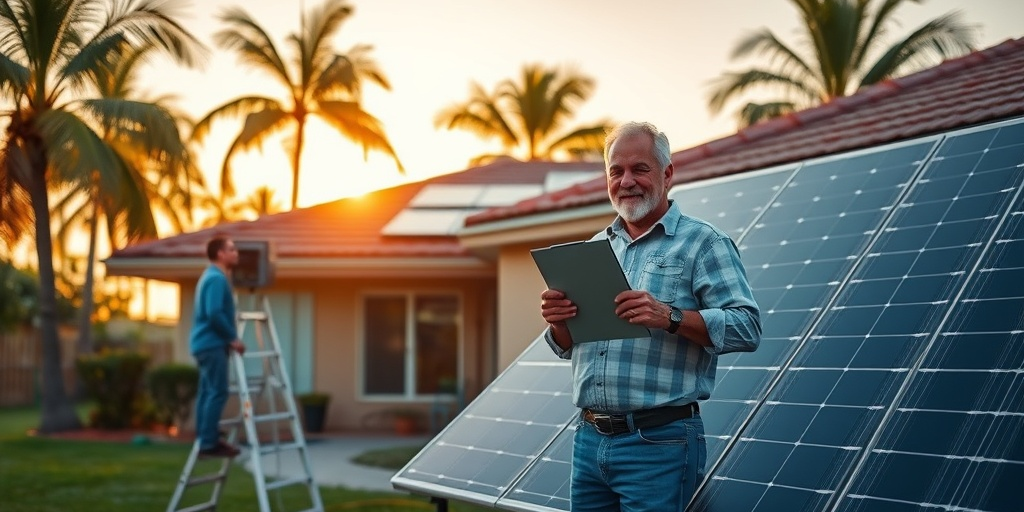
As solar technology becomes ever more accessible, the dream of home energy independence is finally within reach for many Florida homeowners. Yet, amidst this wave of enthusiasm, the rush toward solar can blind some to the lurking dangers of scams and misinformation in the industry. Did you know that up to 30% of solar leads may result in a fraudulent transaction, according to recent studies? (source) Furthermore, a staggering 40% of homeowners are unaware of common solar scams that can cost them thousands of dollars. This troubling reality prompts the urgent inquiry: are you equipped to navigate the solar landscape safely in 2025? In our blog post titled Warning: Don’t Fall for These Common Solar Scams to Avoid, we’re shedding light on the red flags every homeowner needs to watch for, especially as Florida’s solar incentives become more lucrative. With rising energy costs and the push for renewable energy sources, it’s not just a matter of savings—it’s about protecting your hard-earned money. In the sections that follow, you’ll learn about real-life scams and how to avoid them, a detailed checklist to keep you safe, common myths perpetuated by scammers, expert tips for choosing the right solar provider, and essential steps for securing your solar investments. Let’s dive in!
Unmasking the Solar Scam Epidemic: A Florida Homeowner’s Journey
Meet Sarah, a Florida homeowner who was eager to reduce her monthly electric bill and decrease her carbon footprint. Like many, she saw the potential of solar energy and wanted to seize the opportunity. However, Sarah soon found herself entangled in a web of deception. She was approached by a so-called “solar consultant” who promised sky-high savings if she signed on with their company “today only.” In her excitement, Sarah didn’t verify the company’s credentials or investigate reviews. It wasn’t until she received a shocking bill months later that she realized the contract she signed had hidden fees and inflated promises. Sarah’s experience is far from unique; in fact, deceitful tactics are becoming increasingly common in Florida’s rapidly expanding solar market.
As more than 700,000 Floridians have turned to solar energy in recent years (SolarReviews.com), scams have flourished in tandem. Common tactics include high-pressure sales techniques that induce urgency, promises of exaggerated returns on investment, and misrepresentations regarding government incentives. By familiarizing themselves with common scams, homeowners like Sarah can avoid falling victim. Here’s a checklist to help you safeguard your investment:
- Always check company credentials: Make sure the installer is licensed, insured, and has a good reputation in your area.
- Scrutinize contracts and promises: Look for fine print and hidden costs that might not be apparent at first glance.
- Do your research: Read reviews, seek recommendations, and ask tough questions about past projects.
- Verify government incentives: Check with local agencies or resources like the Department of Energy before making any agreements.
- Engage with trusted local providers: Consider consulting with reputable Florida-based solar companies like Florida Electric & Solar for guidance.
Many myths surround solar energy that can lead to misunderstandings and scams. Here are some commonly held misconceptions to be aware of:
- Myth #1: All solar panels are the same quality. While performance varies widely between manufacturers, choosing reputable brands can significantly affect your system’s efficiency.
- Myth #2: Solar panels require constant maintenance and are expensive to repair. Most systems are low-maintenance; regular monitoring and cleaning can suffice.
- Myth #3: You must have a south-facing roof to go solar. While ideal, professionals can install systems in various orientations based on sunlight received.
By distinguishing between fact and fiction, homeowners can identify potential scams and stay informed on relevant data about the industry.
Five Crucial Steps to Avoid Solar Energy Scams in Florida
To truly protect yourself from solar energy scams, it’s essential to implement a strategic approach. Here’s a five-step plan that will empower Florida homeowners in their solar quest:
- Step 1: Conduct extensive research on potential companies. Affluent companies often provide transparency in their operations and have legitimate contact information.
- Step 2: Verify licenses and insurance. Your installer should have the necessary permits and insurance policies that protect both parties.
- Step 3: Take time to read contracts carefully. Pay close attention to warranties, maintenance obligations, and any hidden fees that might arise.
- Step 4: Ask for success stories. Legitimate installers should be willing to provide references or case studies demonstrating their previous work.
- Step 5: Consult with independent solar advisors. Seek insights from reputable organizations like Florida Electric & Solar, which can guide you through the maze of options.
Statistically, nearly 50% of homeowners report being misled during the solar buying process (source), and increasing energy costs make it even more critical to remain alert. By being proactive and following this checklist, you will minimize your risks and empower yourself in the solar marketplace.
Common Solar Myths and How to Prove Them Wrong
Despite solar energy’s growing prominence and adoption, many myths linger in the public’s perception. Debunking these myths is crucial to empowering homeowners and reducing the chances of falling victim to scams. Here are five pervasive misconceptions you need to know:
- Myth #1: Solar energy is too expensive and not worth the investment. On the contrary, with federal tax incentives and state rebates, the upfront costs have significantly declined. In fact, Florida homeowners can expect to recoup their initial investment in as little as five years (NREL.gov).
- Myth #2: You won’t save money unless you are in full sun all day. Even partial sunlight can generate substantial energy. Systems won’t be as efficient in low-light conditions, but they’ll still provide savings.
- Myth #3: Solar batteries are unnecessary. This is a dangerous misconception. Battery storage allows you to keep the power you generate for later use, particularly during outages or peak times when electricity rates soar.
- Myth #4: All solar installations lead to high costs in the long run. In fact, with the right installation, you could reduce bills significantly—up to 90% in some cases—by utilizing energy savings strategies.
- Myth #5: Solar power is not reliable. Today’s innovations in solar technology, including advancements in battery storage and grid integration rules, make solar power as reliable as traditional energy sources.
Understanding and debunking these myths paves the way for clearer decision-making and safer solar investments. When equipped with knowledge, Florida homeowners can confidently pursue solar energy without fear of being scammed.
How to Secure Your Solar Installation: Expert Tips for 2025
As we approach 2025, solar installations will become both more commonplace and more complex. Homeowners need to adopt best practices to secure their investment effectively. Here are five expert tips that will help ensure a smooth solar installation process:
- Prioritize referrals: Speak with friends, family, or neighbors who invested in solar energy. Their experiences can provide a wealth of insight.
- Understand financing options: Explore financing plans that fit your budget, from solar loans to lease agreements, and avoid hidden fees.
- Ask about warranties: Quality equipment should be backed by solid warranties. Pay close attention to inverter and panel warranties, as these can affect long-term performance.
- Monitor performance: After installation, use your solar monitoring application to track performance. By watching for discrepancies, you’ll catch issues before they escalate.
- Stay informed on regulations: As solar technology evolves, stay updated on policy changes at the local, state, and federal levels. Regulations can shift promptly, impacting your installer choices.
Implementing these best practices is an effective way to minimize risks and smoothen the path to solar energy usage. In particular, Florida homeowners must stay vigilant. Furthermore, knowing the leading players in the market can help drive informed choices and secure investments.
The Road Ahead: A Homeowner’s Journey from Skeptic to Solar Advocate
The journey toward solar ownership isn’t just about installations and savings; it’s an exploration of personal and communal energy independence. To illustrate this, let’s look at Josh, a fictional homeowner living in Gainesville, Florida. Disenchanted with rising electric bills and skeptical of all the buzz surrounding solar, Josh found himself on the fence about making the investment. After researching, he discovered the transformative benefits of solar energy—not just for himself but for the community.
After weighing the facts, he decided to install solar panels on his roof. His process involved:
- Extensive research, comparing the top ten solar installers in his area.
- Consulting with local solar advocates who shared their positive experiences.
- Taking the time to understand financing options and the implications of the state’s tax credit.
- Attending local workshops on solar technology advancements.
Through this journey, Josh discovered a new passion for environmental sustainability, and he became an advocate for solar in his community, encouraging others to explore their options. His success story is a beacon of hope for those apprehensive about investing in solar. Florida’s solar market continues to grow, and skepticism can transform into advocacy when homeowners are equipped with the right information.
Next Steps for Florida Solar Buyers in 2025
As we look toward 2025, it’s crucial for Florida homeowners to take definitive action to safeguard their solar investments. Here’s an actionable framework to navigate the solar landscape confidently:
- Audit Your Electric Bill: Analyze your current electricity usage to understand how much power you typically consume per month.
- Research Solar Providers: Identify at least three companies with strong reputations and request personalized quotes from each.
- Verify Permits and Licenses: Ensure all relevant permits and licensing are in place before installation, particularly in Florida, where regulations can differ by county.
- Consider Long-Term Impacts: Look beyond the installation costs; think about long-term savings, environmental impact, and future energy needs.
- Consult Experts: Don’t hesitate to reach out for professional guidance from experts at Florida Electric & Solar to navigate your solar journey.
Following this step-by-step action plan will help you minimize risks and maximize the returns on investment in solar energy while avoiding scams. Solar energy can be a powerhouse for independence if approached correctly.
As we conclude this exploration into the realities of solar energy in Florida, we find that knowledge is the most potent weapon against fraud. The path to solar investment is both exciting and fraught with challenges. Being aware of common scams, understanding the landscape, and knowing what steps to take transforms skepticism into informed decision-making. You and your family deserve to reap the benefits of cleaner energy and reduced bills without the shadow of scams looming over your decisions. Let us empower you to take control of your energy future.
Ready to start your solar journey in 2025? Connect with a certified expert at floridaelectricandsolar.com today.
Related Articles
More insights about Solar Scams

Warning: Don’t Overlook These Solar Scams to Avoid

Don’t Miss This Critical Alert About Solar Scams

Don’t Ignore These Critical Solar Scams to Avoid
Ready to Go Solar?
Have questions about solar energy? Our experts are here to help you make the switch to clean, renewable energy.