
Warning: Don’t Make These Critical Solar Installation Mistakes
Share:
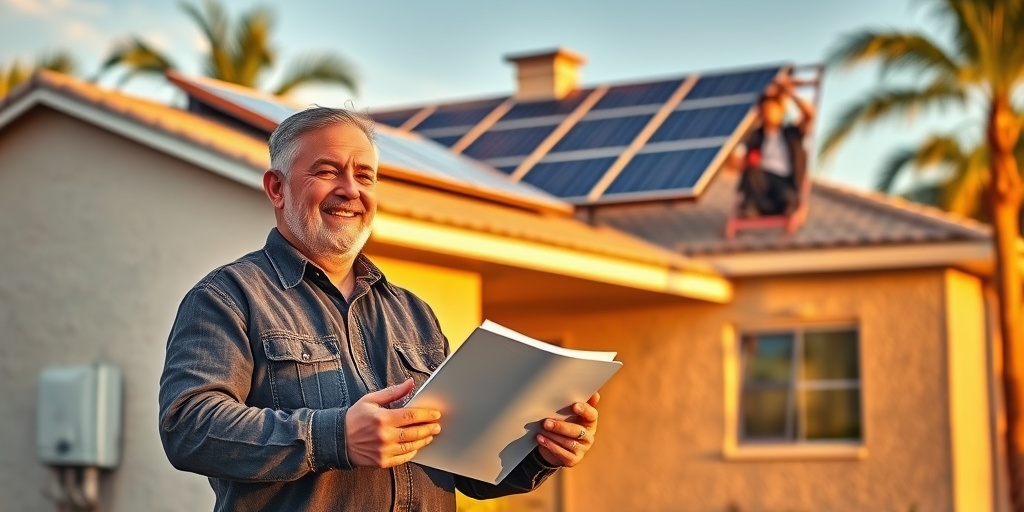
Florida homeowners are emerging at the forefront of a transformative energy movement, with solar power becoming a vital component of sustainable living. Did you know that, as of 2023, Florida ranks among the top five states in the U.S. for solar energy production, generating over 174.6 MW? Yet, despite this remarkable growth, many individuals still approach solar installation with hesitance, and for good reason. Warning: Don’t Make These Critical Solar Installation Mistakes—avoid common pitfalls by learning effective solar panel installation strategies for your home today! With energy costs on the rise and Florida’s sunny conditions, homeowners are under pressure to make informed choices in 2025. According to a report by the Solar Energy Industries Association, over 1.1 million homes in the U.S. are now powered by solar energy, and Florida holds significant potential for growth in this area (SEIA.org). As we delve into this topic, we’ll explore essential insights that can empower you to make the best decisions for your solar journey. This post is divided into five key sections: a case study of a home installation, a practical checklist to streamline your process, common myths about solar energy, a focus on Florida-specific considerations, and a technical deep dive into solar components. Buckle up as we venture into the world of solar energy and ensure your transition is seamless and efficient!
Understand Common Solar Installation Mistakes and How to Avoid Them
Three years ago, a Florida couple named Jake and Mia faced the daunting task of switching to solar energy amid their increasing electric bills. After listening to a friend’s compelling experience, they contacted a solar company to discuss installation options. Excited yet apprehensive, they didn’t realize how many mistakes could transform their solar investment into a financial strain. As their story unfurls, it serves as a cautionary tale for those seeking to harness solar energy effectively.
As Jake and Mia first learned, selecting the right solar panel system requires thorough research and attention. Many Florida homeowners mistakenly assume the process will be straightforward and affordable without adequate planning. In fact, approximately 25% of homeowners express dissatisfaction with their solar installations, primarily due to inadequate research and poor contractor choices (SolarReviews.com). They learned that choosing a reputable company from the get-go could save them not only money but countless headaches along the way.
Step 1: Research Your Installer – Before making any commitments, Jake and Mia should have taken the time to compare installers. A trusted local solar provider is essential to ensure quality and compliance with local regulations.
- Seek out online reviews and testimonials to gauge past customer experiences.
- Look for certifications and affiliations with professional organizations.
- Evaluate how well the provider communicates throughout the process.
After extensive research, they took the initiative to ask for recommendations from trusted sources and settled on a company with a solid reputation. They opted for a solar panel system designed for coastal environments, offering better warranties and resilience against Florida’s weather conditions.
Step 2: Create an Accurate Roof Assessment – Many homeowners mistakenly believe their roofs are ready for solar panels without professional evaluations. A proper assessment ensures compatibility with solar technology and long-term durability.
- Ensure your roof is structurally sound and can withstand the weight of solar equipment.
- Identify shading issues that could hinder energy production.
- Choose the ideal installation angle to maximize solar exposure.
Jake and Mia performed their due diligence, and during the evaluation, experts identified some potential shading issues from nearby trees. They made the decision to trim back some branches, which enhanced the acoustic performance of the panels. This proactive approach maximized energy efficiency and offered them peace of mind.
Myth #1: Solar Panels Only Work in Sunny Weather – A common misconception, solar panels can still generate power even on cloudy days. For example, a study by NREL showed that panels can still operate at 80% efficiency under cloudy conditions, much to the surprise of Jake and Mia.
In their journey, they learned that solar technology has evolved significantly, with many panels now able to capture daylight even in less-than-ideal weather, providing a reliable energy source.
In addition, Jake and Mia utilized an array of productivity metrics and technology that allowed them to monitor their installation’s performance. Coupled with a battery backup system, this helped safeguard them against Florida’s unpredictable storms.
Florida-Specific Considerations in Solar Installations
Myth #2: Florida’s Weather Negatively Impacts Solar Efficiency – Another widespread belief in the Sunshine State is that the humidity and tropical storms could hinder output. Contrary to this perception, solar panels are, in fact, designed to perform efficiently in high temperatures and humidity. According to the Florida Solar Energy Center, many systems can withstand high winds and are installed with optimal drainage (FSEC).
- Choosing panels rated for high wind loads is essential for coastal properties.
- Ensure inverters and components are weatherproofed to ensure longevity.
- Utilize ground-mounted solar options when roof installations may pose a challenge.
Jake and Mia also discovered that the net metering policy in Florida allows them to store unused energy generated during peak sunlight hours, reducing their overall energy costs considerably. Familiarizing themselves with these local policies proved pivotal in their decision-making process, allowing them to turn the sun’s energy into significant savings.
Step 3: Understand the Financial Incentives – Since many homeowners overlook financial benefits, Jake and Mia made it a priority to familiarize themselves with available incentives that could impact their budget and ROI. Here are some key considerations:
- Investigate the Federal Solar Investment Tax Credit (ITC), which allows homeowners to deduct a percentage of solar system costs from federal taxes.
- Research state and local incentives to maximize savings, as some municipalities provide additional rebates or grants.
- Explore financing options like zero-down payment plans to ease the initial investment burden.
As they applied these strategies, they realized the exponential savings, both financially and environmentally. Their energy independence was not only a critical personal goal but also a step toward contributing to a sustainable future.
Best Practices for a Seamless Solar Installation Journey
The excitement of transitioning to sustainable energy can sometimes cloud judgment when it comes to best practices. Educated decisions, especially in 2025, can significantly boost performance, reliability, and savings, ensuring the switch from traditional electricity sources to solar power is positive and rewarding. Below are five best practices that Jake and Mia applied during their journey.
1. Don’t Skimp on Quality – Committing to high-quality solar panels and components pays off in the long run. Selecting panels with extended warranties and reliable brands can enhance energy production and reliability, minimizing future maintenance costs. Research into long-standing companies with a proven track record provides valuable insight.
2. Secure the Right Permits and Documentation – Falling into the trap of commencing installation without securing permits can create roadblocks and delays. Each county in Florida mandates specific permitting processes for residential solar, and Jake and Mia ensured all documentation was complete before proceeding, saving valuable time.
3. Work with Trusted Professionals – Jake and Mia relied on experienced installers, understanding that solar panel placement and setup significantly impact energy generation. Stretching the budget for skilled labor leads to a more effective solar installation that meets code standards and maximizes performance.
4. Embrace Monitoring Technology – By incorporating real-time monitoring technology, homeowners can assess their system’s efficiency. Jake and Mia invested in a monitoring system that provided insights into energy production and usage, empowering them to make necessary adjustments.
5. Plan for Future Needs – Understanding that energy needs might change over time prompted Jake and Mia to consider future energy integration, such as electric vehicles or home expansion. Planning for scalability helped future-proof their energy investment, securing a sustainable energy source for years to come.
A Realistic Journey Through Solar Energy Adoption
Let’s move away from statistics and best practices for a moment and focus on an everyday scenario: the realistic journey of Maria, a Florida homeowner who decided to adopt solar energy. Not long ago, Maria found herself overwhelmed by rising energy bills, prompting her to explore solar options. With little knowledge of the industry and numerous installer advertisements flooding her news feeds, she felt lost.
Within her exploration, Maria uncovered several critical steps and decisions that would shape her energy future. Here’s how her journey unfolded:
- Initial Research – Maria began by gathering information online, delving into solar panel technologies, financing options, and local installers.
- Consultations with Experts – Maria scheduled consultations with several solar providers, seeking quotes and options. She discovered that asking about installation practices and warranties could distinguish the quality of the contractors.
- Site Assessments – Understanding the importance of proper site assessments, she arranged for a professional evaluation to determine how her roof’s alignment could optimize solar performance.
- Financial Evaluation – Maria’s discussions with her finances led her to discover several state rebates available for solar installations. By understanding all the costs involved, she created a clearer budget.
- Decision to Proceed – After careful deliberation, Maria chose to proceed with a local installer recognized for quality-based work, setting her on a path toward energy independence.
Throughout her journey, Maria found that becoming informed about solar energy led to practical decisions. Statistics show that Florida homeowners can save an average of $20,000 over 20 years, bolstered by local incentives and energy production (Energy.gov). Through these actions, she embraced her role in fostering sustainability while simultaneously strengthening her financial logistics.
Next Steps for Florida Solar Buyers in 2025
Embarking on a solar journey is an exciting yet complex endeavor. By following these carefully structured steps, homeowners can streamline the process while ensuring every aspect is covered.
- Step 1: Audit Your Electric Bill – Begin by assessing your current monthly energy consumption. Analyzing usage trends helps you understand how much solar power you’ll require.
- Step 2: Evaluate Your Property – Consider factors like roof age, orientation, and shade levels. Gathering accurate measurements allows you to design the most effective installation.
- Step 3: Consult Local Providers – Research and meet with reputable local providers to receive tailored assessments and proposals that cater to your specific needs.
- Step 4: Understand Your Financing Options – Familiarizing yourself with potential finance options, including loans and incentives, can ease the initial investment.
- Step 5: Schedule Installation – Once all preparations are in place, schedule the installation and keep an open line of communication for any questions or adjustments needed during the process.
While Jake and Mia and Maria’s journeys underscore the importance of careful planning, creativity in research, and proactive decision-making, Florida’s solar landscape offers unparalleled opportunities. No matter where you are in your solar journey, leveraging expert guidance and local resources can lead to unparalleled benefits.
In conclusion, transitioning to solar energy requires thoughtful consideration and educated choices in 2025 and beyond. Through experiences illustrated in the journeys of Florida homeowners, it’s evident how common installation mistakes can easily be avoided, opening the door to energy independence, sustained savings, and environmental benefits. This journey matters not only for a cleaner future but for your family’s comfort and security. Ready to start your solar journey in 2025? Connect with a certified expert at floridaelectricandsolar.com today.
Related Articles
More insights about Solar Installation

Flat Roof Solar Mounting in Florida: A Complete Installation Guide

Myth: Solar Installations Don’t Qualify for Federal Tax Credits

Warning: Don’t Fall for These Solar Installation Scams
Ready to Go Solar?
Have questions about solar energy? Our experts are here to help you make the switch to clean, renewable energy.