
Warning: Don’t Ignore These Critical Solar Panel Installation Risks
Share:
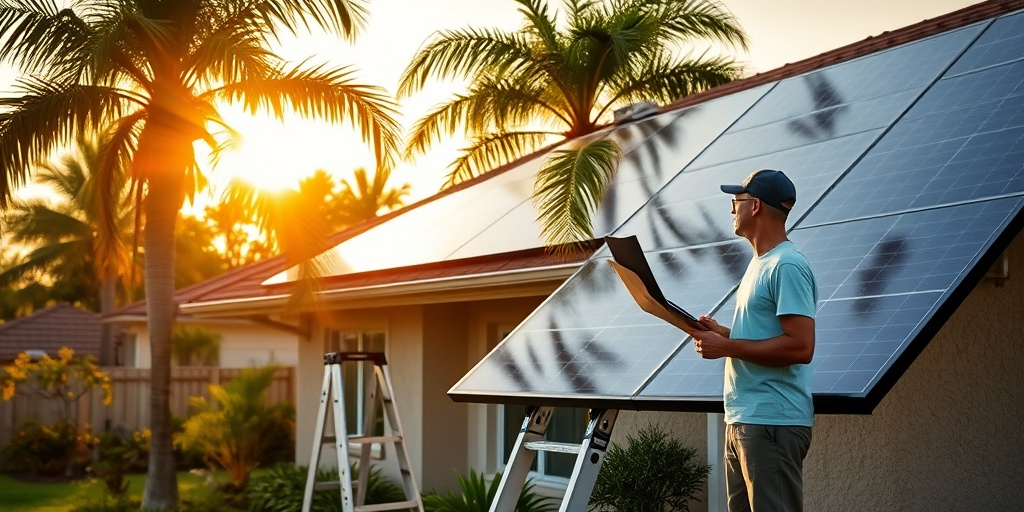
Warning: Don’t Ignore These Critical Solar Panel Installation Risks. It’s a phrase that could easily save homeowners from heartache and financial loss in this pivotal year of 2025. Did you know that, according to the Solar Energy Industries Association, Florida ranks third in the nation for solar power capacity, with over 3.58 gigawatts installed? Additionally, the National Renewable Energy Laboratory reports that solar energy could potentially cover up to 40% of Florida’s electricity by 2035. With energy costs soaring and more Floridians looking to solar solutions to curb their electric bills, the urgency to navigate the solar installation landscape thoroughly cannot be overstated.
This is particularly true in 2025, as new technologies, policies, and incentives are emerging, transforming the way homeowners view solar energy. Yet, with these advancements come significant risks that too many potential solar adopters overlook. In our blog today, we aim to unveil these critical installation risks and provide actionable insights, ensuring that you’re well-prepared for the solar journey ahead.
Throughout the article, we’ll cover five crucial sections:
1. A deep dive into real-life risks with an absorbing case study,
2. A checklist to guide your installation process safely,
3. A myth-busting section addressing common misconceptions,
4. Florida-specific guidelines to help you navigate local regulations and market conditions,
5. An in-depth analysis of the technology that drives solar savings.
Let’s dive in and ensure your solar experience is nothing short of excellence!
Understanding the Landscape: The Hidden Risks of Solar Panel Installation
When considering the transition to solar energy, understanding the potential pitfalls is paramount. While the promise of reduced energy bills and energy independence is alluring, many Florida homeowners have encountered unforeseen challenges when installing solar systems. Take the story of Eric and Linda Rodriguez, who invested in solar panels for their Orlando home, believing they would save both money and the environment.
Initially, everything seemed perfect. However, a few months post-installation, they discovered that the panels installed by a less-than-reputable contractor were producing only 65% of the expected energy output due to improper orientation and cheap components. Unbeknownst to them, they were facing rising energy costs while still paying off their solar system. This overselling of expected output is just one risk among many that prospective solar owners should be aware of.
Checklist: Protect Yourself from Installation Risks
To navigate the solar installation landscape safely, consider the following five critical steps that every homeowner should follow:
- Step 1: Research Your Solar Installer Thoroughly – Seek out certified professionals with positive customer feedback and transparent pricing.
- Step 2: Verify Equipment Quality – Focus on reputable manufacturers and consider energy efficiency ratings to ensure durability.
- Step 3: Understand Local Permits – Achieve compliance by confirming necessary permits before installation and working in tandem with local authorities.
- Step 4: Review the Financing Structure – Assess interest rates, payment terms, and potential hidden costs associated with financing options.
- Step 5: Evaluate Warranty Information – Look for extensive warranties on both equipment and installation, ensuring recourse should issues arise.
The Florida solar market has seen continuous growth; in fact, according to the Florida Solar Energy Center, the state has a brisk annual growth rate of around 36% in solar installations. However, the aforementioned risks remind us that an informed approach can maximize savings and satisfaction.
Myth-Busting: Common Misconceptions About Solar Installation
Many misconceptions circulate in the solar community, leaving potentials customers vulnerable. Let’s bust some of the most prevalent myths:
- Myth #1: Solar panels will work perfectly in any condition. – Reality: Performance can drop significantly in shadier areas or if panels are not cleaned regularly.
- Myth #2: All solar installers are the same. – Reality: Installation quality varies widely; always choose certified professionals with strong reputations.
- Myth #3: You need a south-facing roof for solar. – Reality: Innovative mounting solutions now make installations viable on east and west-facing roofs too.
- Myth #4: Solar batteries are necessary for everyone. – Reality: While batteries can maximize savings and energy independence, not all installations require them. Evaluate your needs carefully.
- Myth #5: The only benefit is cost savings. – Reality: Beyond reduced bills, solar energy offers environmental benefits and increased property value.
By recognizing these myths, Florida homeowners can make informed, confident decisions as they embark on their solar journeys.
Florida-Specific Focus: Local Regulations and Incentives
When it comes to solar, understanding local policies is equally as important as comprehending installation risks. The Sunshine State provides a uniquely favorable environment for solar, enforcing the Solar Rights Act, which protects homeowners’ rights to install solar systems and prevents homeowner associations from prohibiting them.
Additionally, various incentives are available for those installing solar in Florida. As of 2025, the federal solar tax credit allows homeowners to deduct 30% of the cost of solar installation from federal taxes. Furthermore, the Florida Power and Light Company offers several rebate programs aimed at reducing upfront costs, amplifying the economic appeal of solar energy (FPL.com).
This local knowledge arms you with insights that can help minimize risk and maximize benefits. Whether you’re exploring financing options or evaluating contractors, local market conditions are pivotal.
Technical Deep-Dive: Understanding Your Solar System
Knowledge is power, especially in the realm of solar energy. Let’s discuss the components of your solar system and what to expect regarding performance and maintenance.
**Solar Panels:** The most visible component, designed to convert sunlight into electricity effectively. Different materials (monocrystalline, polycrystalline, and thin-film) impact efficiency and cost.
**Inverters:** These devices convert the direct current (DC) produced by solar panels into alternating current (AC) for household use. Quality inverters can last up to 25 years, but some may require replacement sooner.
**Batteries:** While not mandatory for all systems, battery storage allows homeowners to savor the benefits of solar energy even when the sun isn’t shining. Evaluate if they suit your energy consumption patterns.
**Monitoring Systems:** Keeping tabs on electricity output, consumption, and system health is essential for ensuring optimum performance. Invest in technology that provides real-time analytics.
Working with a knowledgeable installer can help you navigate these components, ensuring you avoid missteps like undervaluing the need for quality inverters or overlooking battery options. Citing Florida-based experts like floridaelectricandsolar.com can further aid you in making informed choices.
Building Your Solar Future: Key Insights
As we move forward, building your solar journey means recognizing the vital role proper education plays in the process. Data from the National Renewable Energy Laboratory suggests that the efficiency of Florida homes can improve by 10-20% after proper solar implementation. This underscores how crucial attention to detail is within the realm of home solar systems.
Every detail, from choosing the right installer to understanding your unique energy needs, can tilt the cost-benefit scale and impact your solar experience. In this rapidly altering landscape, software and monitoring solutions evolve along with policy changes, emphasizing how staying informed protects your interests.
Your Next Steps: Safeguarding Your Solar Investment
So, what should your next steps look like as a prospective solar buyer in Florida? Here’s a comprehensive action plan, broken down into simple, actionable segments:
- Step 1: Audit Your Electric Bill – Review your current energy consumption to ensure you get the appropriate solar system size.
- Step 2: Research Local Installers – Compile a list of certified solar companies along with customer reviews and relevant experience.
- Step 3: Evaluate Financing Options – Explore multiple financing plans, grants, and rebate programs to reduce upfront costs.
- Step 4: Engage with Your Installer – Set up consultation meetings to discuss your energy needs, project timelines, and warranties.
- Step 5: Monitor Performance – Post-installation, engage with monitoring technology to keep track of solar output and perform regular maintenance checks.
Especially vital for Florida homeowners is leveraging every resource available. The solar landscape thrives on collaboration, making informed consumers pivotal in driving growth and innovation.
The Takeaway: Every Risk Is an Opportunity
Throughout this article, we’ve ventured through the landscape of solar energy, dissecting key risks and illuminating a path for informed action. Remember Eric and Linda? Their system underperformed due to a lack of thorough research and follow-up. But your journey doesn’t have to mirror theirs. By understanding critical installation risks and leveraging local expertise, you can transform potential pitfalls into stepping stones toward a sustainable future.
Being proactive means securing the best benefits from your investment—one that not only impacts your wallet but also your family’s future and the larger community. As the solar landscape evolves in 2025 and beyond, your education and informed decisions will empower you every step of the way.
Ready to start your solar journey in 2025? Connect with a certified expert at floridaelectricandsolar.com today.
Related Articles
More insights about Solar Panel

Florida Homeowners: Why Solar Panel Maintenance Is Essential

7 Essential Steps for Solar Panel Installation Success

Expert Insights: Key Factors Influencing Solar Panel Lifespan
Ready to Go Solar?
Have questions about solar energy? Our experts are here to help you make the switch to clean, renewable energy.