
Warning: Delaying Your Solar Panel Installation Could Cost You Big
Share:
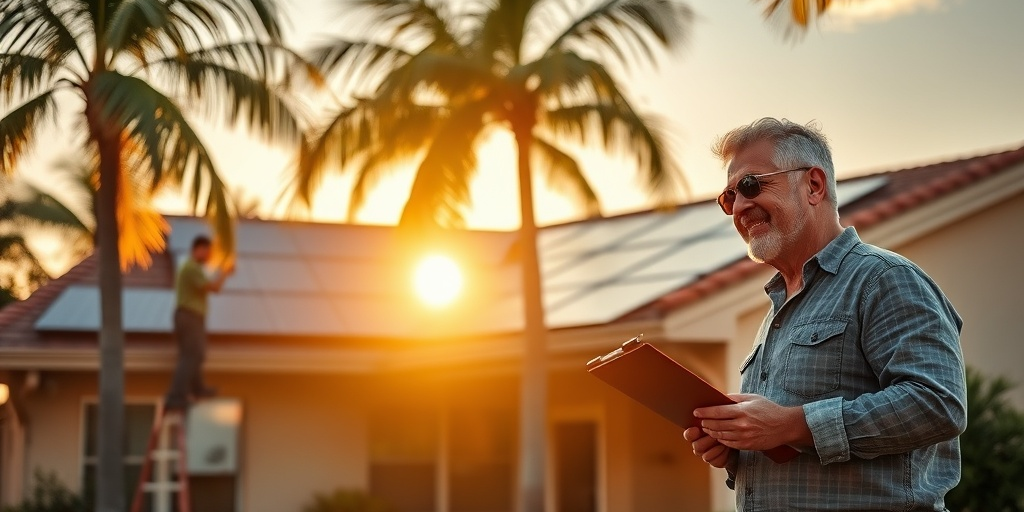
Warning: Delaying Your Solar Panel Installation Could Cost You Big. If you’ve been pondering the switch to solar power, you might be caught off-guard by a staggering statistic: the price of electricity in Florida has surged over 25% in just the past decade, and it’s expected to rise even more (DEO.gov). Yet, amid the pressing need to adapt, many homeowners are sitting on the fence, unsure if 2025 is the right time to take the plunge. Every day you delay could translate to lost savings and mounting electricity bills. It’s crucial to seize the day, guaranteeing that you take full advantage of the long-term benefits of solar energy before new regulations or diminishing incentives come into play.
Moreover, under the latest incentives, homeowners can experience rebates and tax credits that could heat up their returns on investments. Did you know that Florida ranks among the top states for solar energy potential due to its abundant sunshine and investment-friendly policies? According to the Solar Energy Industries Association, Florida’s solar market is projected to double by the end of the decade (SEIA.org). The urgency to act is evident.
In this article, we will explore five main sections to help you navigate the complexity surrounding solar adoption:
- A deep dive into the costs of delaying your solar installation.
- A step-by-step checklist for making the switch.
- Common myths about solar energy debunked.
- Florida-specific insights and statistical trends.
- A technical breakdown of the solar systems available.
With 2025 on the horizon and significant savings at stake, let’s delve into why now is the perfect time to stop delaying your solar panel installation.
Why Waiting on Solar Installation Can Cost You Big
As a resident of the Sunshine State, you enjoy the privilege of abundant sunlight and favorable solar laws. However, if you’re considering postponing your solar panel installation, it’s imperative to understand how this decision can significantly affect your financial standing.
Take, for instance, the story of Maria and Thomas, a young couple from Jacksonville. With two growing children and an increasingly high electric bill, they realized something had to change. The couple started to research solar energy, understanding its potential benefits in cutting down their monthly costs. However, they hesitated due to misconceptions and a complex installation process. They thought they’d save more by waiting until they had “more time” to make an informed decision.
What Maria and Thomas didn’t realize is that waiting often comes with a hefty price. According to a report by Florida Power & Light, the average electric bill for Floridians has climbed to about $150 per month, costing homeowners around $1,800 annually (FPL.com). By delaying their solar installation, Maria and Thomas continued to lose out on possible savings exceeding $100 monthly, turning their hesitance into a cycle of inflated bills.
To better illustrate the implications, let’s break this down into key points about why waiting could cost you more than you think:
- **Rising Energy Costs**: The trend shows that electric rates across Florida are expected to increase by 3-5% per year. This makes locking in your solar power now a critical step.
- **Reduction in Incentives**: Tax credits such as the Federal Solar Investment Tax Credit (ITC) will be decreasing in 2026, meaning that costs won’t be the same as they are now.
- **Decreased Property Values**: Homes equipped with solar energy systems often fetch a higher price on the market; delaying may cost you in the long-run resale value.
- **Utility Grid Instability**: As more weather events impact the stability of the grid, investing in solar can also provide energy independence in times of crisis.
- **Opportunity Costs**: By not installing earlier, homeowners miss potential savings from the onset of energy independence—this counts for more than just money. Consider the impact on the environment as well.
For Maria and Thomas, that initial hesitation eventually ended, but it cost them thousands. This brings forth our pivotal checklist for homeowners eager to make the leap toward solar energy.
Your Five-Step Solar Installation Checklist
If you’re convinced a solar installation is right for you, getting started can seem overwhelming. But fear not! Here’s a clear, actionable checklist to simplify your journey:
- Step 1: Assess Your Current Energy Use
By analyzing your past utility bills, you can pin down your energy consumption patterns. This will help you gauge the size of the solar system needed for your space, and allow you to identify potential areas for energy-saving improvements. - Step 2: Research Local Solar Companies
Finding a reputable Florida solar provider is critical. Look for companies with credible reviews, a strong industry presence, and, importantly, one that offers comprehensive warranties. For finding trusted experts, check out floridaelectricandsolar.com. - Step 3: Explore Financing Options
Understand available financing plans such as solar leases, power purchase agreements (PPAs), and tax incentives. Lock in your rates early to avoid potential increases as costs head higher in upcoming years. - Step 4: Schedule a Site Assessment
Once you choose a provider, schedule an on-site evaluation. Their team will determine the best layout for your installation, taking into account sunlight exposure, shade analysis, and roof conditions. - Step 5: Installation Time!
Once your installation date arrives, prepare your home and family for a day of activity. It’s relatively quick! Most systems can be installed in just one day, leading you to start saving money sooner than later.
Transitioning into solar energy can pave the way for substantial financial rewards. Let’s move into dispelling some of the most widespread myths that can create indecision among Florida homeowners.
Myths About Solar Energy DEBUNKED
Despite the growing popularity of solar systems, several myths still circulate that deter individuals from making the switch. Here, we break down common misconceptions, helping you make a more informed decision:
- Myth #1: Solar Panels Don’t Work in Cloudy Weather
Truth: Solar panels can still produce energy on cloudy days—sunlight is the key, not direct sunlight! In fact, Florida’s diffuse sunlight can still generate significant electricity. - Myth #2: Installing Solar Is Too Expensive
Truth: Initial costs can be intimidating, but with available incentives, tailored financing options, and the prospect of lowering your energy bills significantly over time, the value is undeniable. - Myth #3: My Roof Isn’t Suitable for Solar
Truth: Many roofing types can support solar. If you have concerns, reach out to specialized Florida solar installers to evaluate your rooftop options—often, solutions are available! - Myth #4: Solar Systems Require Too Much Maintenance
Truth: In general, solar panels have very low maintenance requirements, needing only occasional cleaning and annual inspections to ensure optimal efficiency. - Myth #5: Solar Energy Isn’t Worth It for Rental Properties
Truth: Owners can still benefit from solar by installing systems on their rental properties, which can lead to increased market demand and higher property values.
Understanding these myths is pivotal in paving the way for your solar adoption. Now that you have a clearer view, let’s shift focus to the unique characteristics that make Florida’s solar landscape so advantageous.
Florida’s Solar Energy Landscape: A Local Focus
The solar energy landscape in Florida is nothing short of dynamic. With abundant sun shining across the state for an average of 237 sunny days per year, there isn’t a better place to invest in solar energy. Below are some statistics and trends that emphasize the county’s dedication to solar growth and sustainability:
- Statistics from Solar Energy Industry Association: In 2022, Florida ranked 3rd in the nation for solar capacity, installing over 5,000 MW of solar energy (SEIA.org).
- Government Incentives: The Florida Renewable Energy Technologies Grant Program offers financial assistance for homeowners installing solar systems. Grants can cover a percentage of installation costs.
- Community Energy Programs: Many Florida municipalities have established solar co-ops, allowing neighborhoods to share costs and engage in tandem installations, maximizing savings.
- Long-term Projections: A report from the NREL anticipates Florida’s solar capacity to triple in the next five years, positioning the state as a solar powerhouse (NREL.gov).
As exciting as these trends are, they merely scratch the surface of what solar can provide for your homes, jobs, and the local economy. Now, let’s delve deeper into the technical aspects every solar consumer should be aware of before purchasing.
Understanding Solar Technology: A Technical Deep-Dive
Understanding the components of solar systems can help demystify the process of purchasing and installing solar panels. Here’s a brief overview of the key technologies and elements involved:
- Solar Panels: These are the heart of solar energy systems. Photovoltaic panels convert sunlight directly into electricity. The two main types are monocrystalline (higher efficiency) and polycrystalline (cost-effective).
- Inverters: Inverters convert the DC electricity produced by solar panels into AC electricity, making it usable for your home. String inverters and microinverters serve different needs, depending on shading conditions and system size.
- Energy Storage Systems: Batteries store excess energy generated during sunny days for use during the night or cloudy times. They allow for energy independence and are increasingly becoming affordable and efficient—Tesla’s Powerwall is a popular option.
- Net Metering: Florida allows net metering, enabling customers to receive credit for excess power fed back into the grid. This not only maximizes savings but also enhances grid stability, especially during peak demand seasons.
- Monitoring Systems: Many solar setups come with monitoring systems that allow you to track your energy generation and consumption. This enables timely analysis and maintenance, ensuring maximum efficiency.
By grasping these technical facets, you can better equip yourself to make an informed purchase and maximize your savings. Now that you’re armed with knowledge about solar systems, it’s time to focus on taking your next steps toward solar ownership!
Next Steps for Florida Solar Buyers in 2025
As 2025 approaches, a strategic plan will pave the way for your solar journey. Here’s your actionable checklist for moving forward:
- Step 1: Audit Your Electric Bill
Assess your current and past utility bills to identify your average monthly usage and spending. Assessing this data will highlight how significant your savings can be through solar energy. - Step 2: Understand Local and Federal Incentives
Keep abreast of local, state, and federal incentives. Local programs may be available that can significantly lower your installation costs. Researching these can lead to maximized savings. - Step 3: Engage with Solar Advisors
Reach out to local solar advisors—many offer free consultations. This can help clarify questions you have about systems, financing options, and installation processes. - Step 4: Plan for Installation
Once you’ve chosen a solar provider, prepare your property for installation by cleaning the site and addressing any potential roof repairs. - Step 5: Monitor Your System
Once installed, keep an eye on your solar system’s output. Utilize monitoring software to track energy generation and savings, ensuring your system operates at optimal levels.
Taking action towards employing solar energy can be one of the most impactful decisions you make this year, not just for saving money, but also for contributing to a sustainable future.
By now, we hope you’ve gained valuable insights and tools necessary to embark on your solar journey. From debunking myths, understanding the components involved, to taking actionable steps—every bit of information lays the groundwork for a crime-free, cost-saving future.
Ready to start your solar journey in 2025? Connect with a certified expert at floridaelectricandsolar.com today.
Related Articles
More insights about Solar Panel

Florida Homeowners: Why Solar Panel Maintenance Is Essential

7 Essential Steps for Solar Panel Installation Success

Expert Insights: Key Factors Influencing Solar Panel Lifespan
Ready to Go Solar?
Have questions about solar energy? Our experts are here to help you make the switch to clean, renewable energy.