
Warning: Delaying Solar Panel Installation Could Mean Higher Bills
Share:
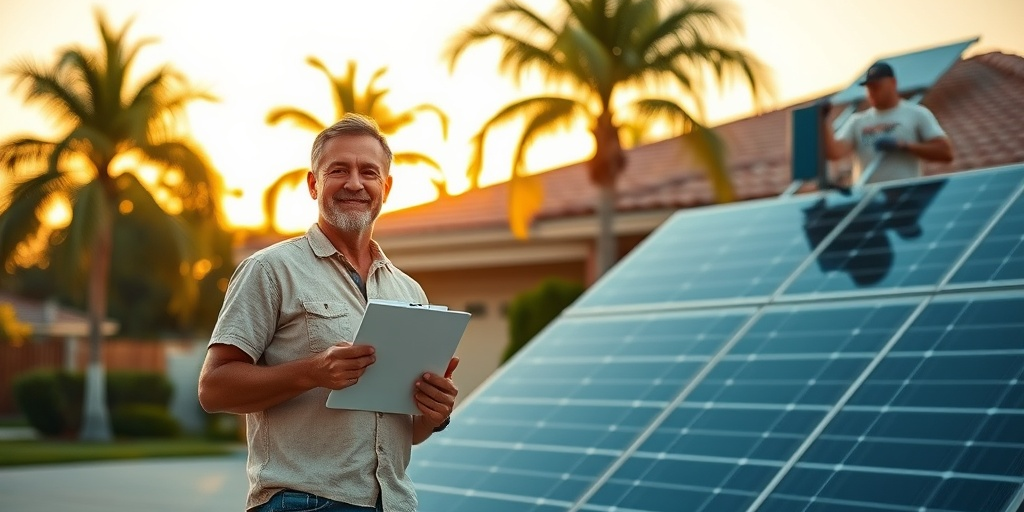
Imagine waking up one sunny day in Florida and discovering that your electric bill has doubled overnight, leaving you wondering how it could possibly happen. The choice to install solar panels could have shielded you from this shock, enveloping you instead in the embrace of predictable monthly costs and clean energy. In 2025, the urgency to harness solar power is at an all-time high. As the state of Florida faces increasing energy costs, it’s crucial for homeowners to realize that delaying solar panel installation could mean higher bills. In fact, studies show that Florida residents are already seeing increases of up to 5% in their utility rates year-over-year, a trend that experts warn will continue (Solar-Estimate.org). Moreover, with federal tax incentives scheduled to change, the threat of missing out on significant savings looms large. This article, titled Warning: Delaying Solar Panel Installation Could Mean Higher Bills, will explore the fearsome consequences of procrastination in solar adoption and empower you with essential knowledge. We will uncover a compelling case study, provide a practical checklist for the installation process, debunk common myths surrounding solar, focus on Florida-specific insights, and offer a technical deep dive into the technology and policies impacting your decision today.
Don’t Wait: The Costly Mistake of Delaying Solar Panel Installation
Consider the story of the Martinez family, who live in Orlando, Florida. After years of rising electric bills, they finally decided to explore the option of going solar. But with all the complexities involved, they hesitated. Once the Martinez family made the decision, they realized they had waited too long. By delaying their installation for a year, they faced a staggering increase in electric bills. Statistics show that Florida homeowners could save up to $1,000 per year by switching to solar (NREL.gov). Now, imagine being in their shoes. They could have been enjoying lower costs while generating clean energy for their home.
To ensure you don’t fall into the same trap, here’s a checklist to guide your solar panel installation journey:
- Step 1: Evaluate your energy needs. Understanding your consumption is pivotal.
- Step 2: Research local solar providers that are reputable and trustworthy.
- Step 3: Get multiple quotes and compare financing options.
- Step 4: Check for state and federal incentives that may apply to you.
- Step 5: Schedule your installation as soon as possible to lock in savings.
Myth #1: “Solar panels are too expensive.” In reality, the cost of solar has dropped by 90% over the last decade, making it more affordable than ever (SEIA.org).
Myth #2: “Solar isn’t effective in cloudy areas.” Florida, known as the Sunshine State, receives ample sunlight, making solar incredibly efficient here.
Myth #3: “I can’t install solar because my roof isn’t oriented perfectly.” Experts can install solar systems on diverse roof types and orientations to optimize energy capture.
Now let’s focus on Florida-specific incentives and data that underscore the importance of timely action. As of 2025, Florida ranks 3rd in the nation for solar installations, with over 200,000 residential systems in place (Energy.gov). However, with rising electricity prices projected to increase by another 5–7% annually, now is the time to seize the day. Solar systems not only offer lower energy costs but can also enhance property values—homes with solar sell for an average of $15,000 more than similar homes without (SolarReviews.com). Florida homeowners should leverage these statistics as motivation to avoid the costly mistake of delay.
To truly grasp the technology behind solar, a technical deep dive is critical. A standard residential solar energy system consists of solar panels, inverters, and battery storage (if added). The panels convert sunlight into direct current (DC) electricity, which inverters convert into alternating current (AC) for household use. As electric rates rise, the savings begin to accumulate immediately post-installation, providing financial relief within months.
In conclusion of this section, reassessing your energy costs and understanding the urgency behind transitioning to solar can dramatically affect both your financial health and environmental footprint. Don’t let the fear of change cost you thousands in unnecessary electric bills.
Why Timely Solar Decisions Are Critical for Florida Homeowners
Solar energy isn’t just a trend; it’s a lifestyle change that can greatly minimize electricity costs. By acting promptly to harness solar power, homeowners can avoid an energy price surge. The first crucial step is always to evaluate your current energy bills and project how future increases could affect you.
- Understanding Bills: Review your past electric bills to find patterns and understand how much you are likely to pay in future months.
- Calculating Solar ROI: Tools are available to help estimate your return on investment (ROI) with solar installations, factoring in local utility rates.
- Knowledge of Incentives: Stay informed about state and federal tax credits specifically for Florida residents, such as the Federal Investment Tax Credit (ITC)); it may change in 2025.
According to recent findings, more than 50% of homeowners in Florida still rely entirely on traditional electricity sources, missing out on significant potential savings. This leaves them vulnerable to uncontrolled market fluctuations as much as 16% over the next two years (Florida Public Utilities). If you’re ready to break the cycle of ever-increasing bills, take a decisive step forward and connect with the experts at floridaelectricandsolar.com today.
5 Expert Solar Installation Tips for 2025
Making the move to solar requires not just a commitment but the right strategies for successful installation. Avoid potential pitfalls with these expert tips:
- Choose Quality Over Cost: Investing in high-quality solar panels may seem pricey, but their efficiency and warranty can save you more in the long run.
- Analyze Roof Conditions: Ensure your roof is in prime condition before installation. A deteriorating roof may lead to additional costs down the line.
- Consider Battery Storage: Adding battery storage can provide backup power during outages and maximize your solar investment.
Each of these tips serves to mitigate long-term costs while enhancing energy independence. Identifying a trusted installation company is essential; look for providers that have a track record of excellence and customer satisfaction. Remember to compare warranties and check for additional installation services as needed, ensuring you’re fully informed on the decisions at hand. Studies indicate that homes equipped with battery storage save an additional 15% on energy costs given surge events (Solar Energy Industries Association).
By implementing these best practices, you position yourself to harness Florida’s bountiful sunshine effectively while enjoying peace of mind in your energy management.
Understanding the Solar Journey: One Florida Family’s Experience
Consider the Peters family living in coastal Sarasota. Like many Americans, their journey towards solar began amidst rising utility costs and a desire for energy independence. Initially skeptical, they found their fears assuaged after attending a local solar expo. The experience opened their eyes to the vast savings and environmental benefits solar energy offers. They quickly transitioned from curious onlookers to proactive consumers, opting to install solar panels on their roof. Their research revealed some harvestable truths:
- They learned that Florida provides 237 sunny days a year, great conditions for solar production.
- They discovered that state incentives would significantly reduce their initial investment.
- They found solar energy systems can increase home value by an average of 4–6% over a non-solar home.
As the Peters engaged with a local solar provider, they embraced their newfound understanding with enthusiasm. However, they recognized the urgency of their timeline—there were deadlines related to incentives and rebate programs. After successfully navigating their timeline, they felt a sense of empowerment from both financial and environmental standpoints. And more importantly, they became advocates for solar energy within their community. Their journey highlights the practical steps needed and the supportive resources available, illustrating that one family’s proactive approach can spark an entire community’s transition to sustainable living. According to recent solar market research, 40% of Florida homeowners now own solar systems, yet many still delay their decision due to misunderstandings around costs and complexity (DSIREUSA.com).
Next Steps for Florida Solar Buyers in 2025
Moving forward, it’s vital to minimize any friction in the decision-making process. Here is a roadmap that will provide clarity and direction as you consider going solar.
- Audit Your Electric Bill: Gather several months’ worth of electric bills and calculate your average spending and usage.
- Research Solar Options: Look into different types of solar panels, inverters, and financing options available to you.
- Connect with Local Installers: Reach out for direct quotes and inquire about their experiences and customer satisfaction ratings.
- Review Local Incentives: Make sure to comprehend all applicable federal and state incentives to maximize savings.
- Schedule an Inspection: Have a qualified installer evaluate your home’s suitability for solar panels.
By taking these steps, you can ensure a smooth transition to solar energy, letting you start saving on electricity in no time. The investments made today can positively impact your wallet and the planet for years to come. Furthermore, remember that you don’t have to navigate this path alone. Work with trusted professionals in your area who understand the market and can provide the support you need. The time has come for Florida homeowners to rise above skyrocketing utility costs and begin their solar journey.
In summary, delaying solar panel installation could mean higher bills, and it’s imperative to make the decision swiftly to reap the benefits of solar energy. Household expenses and savings can be managed efficiently when armed with the right information, practical steps, and local insights. The transition to solar is not just an investment in energy; it’s a commitment to a sustainable future that benefits families and the ecosystem alike.
Ready to start your solar journey in 2025? Connect with a certified expert at floridaelectricandsolar.com today.
Related Articles
More insights about Solar Panel

Florida Homeowners: Why Solar Panel Maintenance Is Essential

7 Essential Steps for Solar Panel Installation Success

Expert Insights: Key Factors Influencing Solar Panel Lifespan
Ready to Go Solar?
Have questions about solar energy? Our experts are here to help you make the switch to clean, renewable energy.