
Critical Warning: Don’t Fall for These Solar Scams to Avoid
Share:
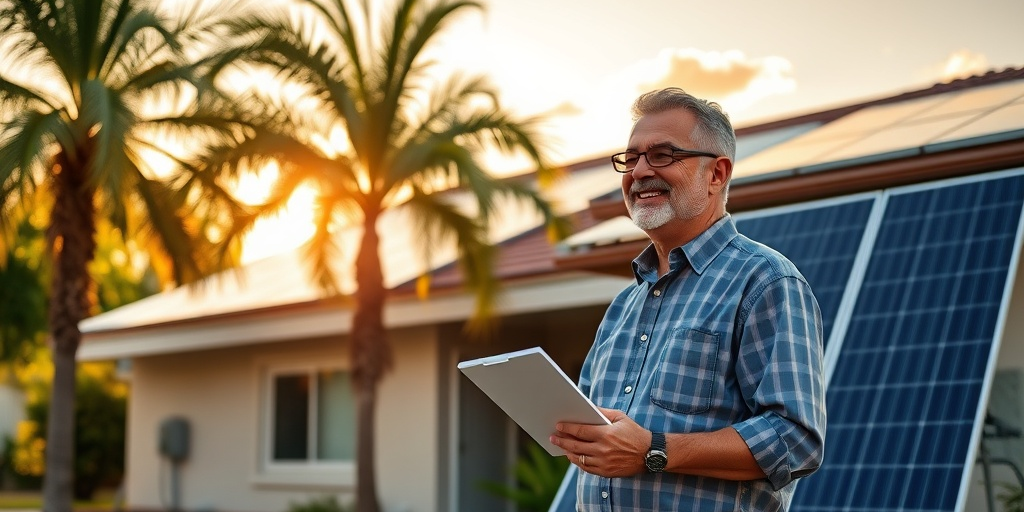
Every year, thousands of homeowners in Florida make the switch to solar power, lured by the promise of lower energy bills and a greener lifestyle. But with every opportunity comes a risk of exploitation; the solar industry is not immune to scammers and unethical practices. In fact, a staggering 23% of Americans reported encountering a solar scam in 2022, according to a recent survey (SolarReviews.com). As we approach 2025, when new incentives and policies will reshape the solar landscape, understanding these scams becomes more critical than ever. This is why we’re presenting “Critical Warning: Don’t Fall for These Solar Scams to Avoid.” Here, we will equip you with essential knowledge to identify and evade those who would take advantage of your desire to adopt renewable energy. In the next sections, we will explore real-life case studies, a detailed checklist, common myths associated with solar, a local focus on Florida’s market, and a technical deep dive into the intricacies of solar energy systems.
The Rising Tide of Solar Scams: A Call to Arms for Florida Homeowners
Take the story of Mike and Sarah, a couple from Jacksonville who, in their pursuit of lower energy costs, fell victim to a common solar scam. They were promised substantial savings and a government grant of $50,000 for installing solar panels. The catch? The grant didn’t exist. Mike and Sarah ended up paying an upfront fee of $15,000 to a fly-by-night company that vanished shortly after. This incident emphasizes the need for vigilance in a time when the solar market is booming, with Florida ranking second in the nation for solar installations (SEIA.org).
In Florida alone, solar energy systems are projected to grow in capacity by 35% in 2025 (Energy.gov). This surge will undoubtedly attract unscrupulous characters trying to capitalize on this market. Hence, it’s imperative to arm yourself with the tools needed to avoid falling victim to these scams. Here are five red flags to watch out for:
- Too Good to Be True Offers: Discounted prices and unrealistic savings are often a clear indicator of a scam.
- High-Pressure Sales Tactics: Genuine companies won’t pressure you to sign a contract on the spot.
- Lack of Transparency: Beware of companies that won’t share their credentials, reviews, or warranties.
- Unlicensed Installations: Always verify if the company is licensed to operate in Florida. It’s a legal requirement.
- Strange Financing Options: If it sounds confusing or convoluted, it probably is.
By keeping these red flags in mind, you can make informed decisions and help navigate the landscape safely. In the next section, we will dissect each of these warning signs further and provide a checklist of actionable steps to take during the solar installation process.
A Comprehensive Checklist: Safeguarding Your Solar Investment
Your journey towards solar energy should be empowering and beneficial for your future. To ensure you’re making sound choices, follow this definitive checklist:
- Research the Company: Spend time looking into the solar contractor’s reputation. Check for licenses, bonds, and insurance. Online reviews play a crucial role in verifying the company’s credibility.
- Get Multiple Quotes: Don’t settle for the first offer. Obtain at least three detailed quotes from reputable solar providers to compare costs, benefits, and services.
- Review the Contract Thoroughly: Before signing, scrutinize every detail. Look for hidden fees, warranty details, and return policies.
- Confirm Local Permits: Ensure that the company files the necessary permits with the local authorities, as this is often a requirement in Florida.
- Understand Your Financing Options: Familiarize yourself with available incentives, credits, and financing plans that suit your situation. Consult a financial advisor if needed.
These checks are not just common sense; they are essential steps to securing a trustworthy solar installation that aligns with your financial and lifestyle goals. Avoiding solar scams is not just about protection; it’s about preserving your investment in a cleaner future.
Debunking Solar Myths: Separating Fact from Fiction
The realm of solar energy is rife with misconceptions that can cloud your judgment, leading to costly mistakes. Here are some common myths debunked:
- Myth #1: Solar Energy is Only for Rich People. In reality, with tax incentives, rebates, and lower prices, solar energy is more accessible than ever. Many homeowners find that solar panels significantly reduce their energy bills.
- Myth #2: Solar Panels Require Constant Maintenance. While it’s a good idea to inspect your panels periodically, the truth is they are generally low-maintenance and designed to last 25 years or more.
- Myth #3: Solar Only Works in Sunny States. Although sunny days help, solar panels can still generate electricity during cloudy or rainy weather. Florida’s abundant sunshine, however, makes it an ideal location.
- Myth #4: Leasing Solar Panels is Always Cheaper. Leasing can offer immediate savings, but owning your system often leads to lower long-term costs, increased home value, and tax benefits.
- Myth #5: It’s Too Complicated to Go Solar. The process may seem complex, but reliable companies like floridaelectricandsolar.com will guide you through every step—from installation to activation.
Empowering yourself with accurate information will enhance your decision-making in the solar market. After all, empowerment through knowledge is the best weapon against deception.
Florida’s Solar Landscape: A Unique Perspective
Florida’s solar landscape is unique. With a population driven by the desire for sustainable energy due to rising costs and climate concerns, it presents both opportunities and challenges. Here’s a closer look at the distinctive elements that make Florida solar a compelling case:
- Incentives and Rebates: Florida has one of the most competitive solar incentives in the country, including the Florida Renewable Energy Technologies Grant Program (SEIA.org).
- Net Metering Policies: This allows homeowners to sell excess energy back to the grid, effectively reducing their electric bills and facilitating a quicker return on investment.
- Growing Installation Market: The state has seen a 35% increase in solar capacity over the last few years, aiming to keep up with the projected demand (NREL.gov).
- Focus on Research and Education: Florida is home to numerous educational programs that encourage robust public awareness about solar energy benefits.
- Community Solar Projects: These projects allow residents to invest in larger solar farms, providing affordable access to renewable energy even if they can’t install panels on their homes.
By understanding Florida’s solar market details, you bolster your position to make informed decisions and avoid costly errors. In the next section, we will dive deeper into the technical aspects of solar installations and billing processes.
Technical Deep Dive: Understanding Your Solar System
To make a sound investment in solar power, you need to grasp the technical details behind the systems you’re considering. This knowledge will help you identify scams and poorly constructed systems. Here’s what you need to know:
- Types of Solar Panels: Photovoltaic (PV) panels convert sunlight into electricity. Knowing the differences between monocrystalline, polycrystalline, and thin-film can help in your choice.
- Inverters: These are essential for converting the DC electricity produced by solar panels into the AC electricity used in homes. Knowing if your inverter is string, micro, or power optimizer can affect performance.
- Batteries: In the event of a power outage, battery storage solutions provide backup energy. Investigate the type of battery technology the installer proposes.
- Billing and Financial Analysis: Be well-versed in understanding utility bills and what solar credits or charges will look like post-installation. This understanding can clarify savings versus costs.
Every solar system has its unique components, and understanding how these elements work together will equip you to make more informed choices. Gain confidence in your ability to navigate the solar landscape.
Your Next Steps as a Florida Solar Buyer in 2025
As you embark upon your solar journey, here is your actionable checklist for moving forward:
- Step 1: Audit Your Electric Bill: Examine your bills for usage patterns and potential savings. This provides a benchmark for how much solar you may need.
- Step 2: Research Local Installers: Take the time to read reviews and explore options within your area. Ensure they have experience and familiarity with Florida laws.
- Step 3: Schedule Consultations: Meet with different solar companies. Ask questions, and express your concerns about any confusing jargon.
- Step 4: Compare Quotes: Ensure that each quote includes similar coverage or warranties to make comparisons effective.
- Step 5: Verify Licensing and Insurance: Confirm that they have proper credentials and that their work is insured. This ensures your investment is protected.
Taking these steps will allow you to proceed with confidence and inevitably lead towards a successful solar installation experience.
Embarking on the solar journey is more than just a financial decision; it’s a commitment to a better, cleaner, and more sustainable future—for you and generations to come. By understanding how to navigate potential scams and making informed choices, you position yourself for significant savings and environmentally conscious living.
Ready to start your solar journey in 2025? Connect with a certified expert at floridaelectricandsolar.com today.
Related Articles
More insights about Solar Scams

Warning: Don’t Overlook These Solar Scams to Avoid

Don’t Miss This Critical Alert About Solar Scams

Don’t Ignore These Critical Solar Scams to Avoid
Ready to Go Solar?
Have questions about solar energy? Our experts are here to help you make the switch to clean, renewable energy.