
Warning: Don’t Fall for These Solar Panel Scams in Florida
Share:
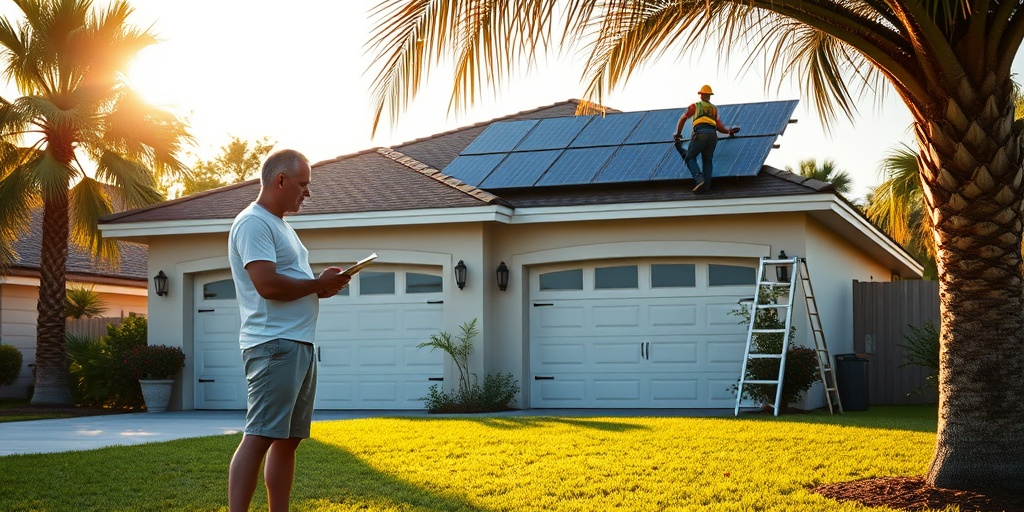
In a state where the sun shines most days of the year, Florida is embracing solar power more than ever. In 2023 alone, the Sunshine State saw over 14% of its energy generated from solar sources (Energy.gov). With the ongoing rise in energy prices—projected to increase by about 4% annually in Florida (SEIA.org)—homeowners and businesses alike are rushing to adopt solar power to save on their bills and secure independence from the grid. However, beneath this promising transition lurks the dark side of the industry: scams targeting unsuspecting consumers. The upcoming urgency for going solar, particularly in 2025 as federal tax incentives are set to phase down, make it imperative to stay informed. That’s why we present our article titled, Warning: Don’t Fall for These Solar Panel Scams in Florida. Here, you’ll learn how to spot fraudulent offers and ensure successful solar panel installation for your home.
Throughout this post, we will explore not only the types of solar scams that exist but also equip you with essential knowledge to navigate this rapidly evolving market. The five upcoming sections will cover:
- A deep dive into real-life cases of solar scams in Florida and practical checklists to safeguard yourself.
- A myth-busting segment that clarifies common misconceptions that prey on the vulnerable.
- Florida-specific local insights and statistics that spotlight why awareness is crucial.
- A technical deep dive into the emerging technologies shaping solar power and their potential pitfalls.
- An actionable plan for prospective solar buyers to embark on their journey without falling prey to scams.
Unmasking the Scams: A Deep Dive into Florida’s Solar Landscape
In 2022, Florida ranked first in the nation for new solar capacity installed, with over 1,700 MW added (SolarReviews.com). Amid this growth, the rise of fraudulent activities has become painfully apparent, often targeting the very homeowners eager to make the switch to solar power. Consider the story of Maria, a single mother living in Miami. Eager to reduce her monthly electric bills, she was approached by a smooth-talking sales representative offering a brand new solar panel system at an astonishingly low price. The catch? It turned out the panels were subpar, and the financing terms were bloated with hidden fees.
Based on Maria’s experience, we compiled a five-step checklist for evaluating any solar offer before getting into a contract:
- Research the Company: Use tools like the Better Business Bureau or Google Reviews to assess the company’s reputation.
- Understand Your Contract: Read every line and consult professionals if the terms seem too complex.
- Verify the Products: Ensure the panels and installation equipment meet industry standards and come with warranties.
- Get Multiple Quotes: Compare offers from at least three different providers to gauge the real market price.
- Ask for References: Request testimonials or contact information of previous customers to evaluate past performances.
While these checks will help you spot potential scams, it’s also essential to debunk common myths that solar salespeople might leverage. They often rely on misconceptions to instill doubt or urgency.
Myth #1: Solar is Too Expensive for Most Homeowners. While upfront costs can seem steep, most homeowners save significantly in the long run with government incentives and net metering opportunities.
Myth #2: You Need to Own Your Home to Go Solar. Lease or power purchase agreements (PPAs) are available options that allow renters to take advantage of solar energy without owning their property outright.
Myth #3: You Will Be Stuck with Your Installer Forever. Many homeowners assume that once they choose an installer, they can’t make changes, which is untrue; your solar system is yours to manage.
Understanding Florida’s solar landscape is crucial for any homeowner considering a switch to solar. As demand continues to escalate, fraudulent tactics will only become more sophisticated. In fact, Florida’s Office of Public Counsel reported that cases of deceptive practices in solar sales rose by 25% last year (Florida Public Counsel). It’s vital to remain vigilant.
In addition to awareness of scams, let’s conduct a technical deep dive into what you may need to know about your potential solar systems. Florida homeowners are often overwhelmed by terms like “solar inverters,” “net metering,” and “battery storage.” Each plays a crucial role in your solar power journey.
For instance, the accurate selection of inverters can determine the efficiency and longevity of your solar system. Two primary types exist: string inverters and microinverters, each with distinct advantages and drawbacks. String inverters are generally more cost-effective, but microinverters offer better performance, especially in shaded areas, which is a common concern in Florida’s dense tree environments. Understanding how these components work can save time, money, and headaches down the road. Ensure your installer can explain their choices regarding solar technology, as transparency shows their commitment to quality and your best interests.
Being informed is undoubtedly your most powerful weapon against fraud. As more homeowners in Florida are exploring solar energy, it is critical to stay aware and take steps necessary to protect yourself from deceitful practices.
Practical Steps for Florida Solar Buyers in 2025
Being prepared is key when navigating the solar market. Here are five practical steps to ensure you’re making an informed choice and that you’re not falling victim to scams:
- Audit Your Energy Usage: Review your past electricity bills so you know what savings to expect from your solar system.
- Explore State Incentives: Investigate what rebates or tax credits are available specifically for Florida residents looking to go solar.
- Attend Local Workshops: Educational sessions can arm you with knowledge to support your solar journey.
- Engage with Certified Installers: Always opt for installers who are licensed and rated well in your area.
- Monitor Your System Post-Installation: After installation, consistently check for performance issues to quickly address any concerns.
While embarking on this journey towards solar energy, be sure to visit floridaelectricandsolar.com for further resources and expert guidance.
The Experience: A Solar Journey in Florida
As we delve deeper into what a typical Florida solar journey may look like, let’s consider the experience of David, a commercial property owner in Fort Lauderdale. After much research, David decided to go solar, encouraged by the potential financial and environmental benefits. However, he soon learned the importance of due diligence. Early in his search, David received a questionable offer that promised excessive savings but lacked credible product information.
He felt uneasy. Instead, he quickly pivoted and engaged in the following:
- Due Diligence: David scrutinized the proposal details and sought expert advice to clarify misconceptions.
- Reputable Installers: Leveraging online resources, he searched for reputable solar companies in his area and engaged with local customers.
- Transparency Tactics: He made sure his installer was clear about costs, warranties, and technology choices.
- Savings Analysis: David used an energy audit calculator to simulate savings based on his specific energy needs.
Ultimately, David’s proactive approach allowed him to implement a successful solar solution without falling victim to scams. He understood that the benefits of solar energy are substantial—lower energy costs and reduced carbon footprints being at the forefront. By 2025, he is projected to save thousands of dollars, while also contributing positively to the planet.
Next Steps for Florida Solar Buyers in 2025
If you’re a Florida homeowner contemplating solar energy options, here’s a clear action plan to guide you:
- Conduct an Energy Audit: Understand your current energy usage and needs before selecting a system.
- Research Local Laws: Become acquainted with solar laws and incentives unique to Florida.
- Evaluate Financing Options: Assess the best payment methods that suit your financial situation.
- Inquire About Warranties: Always ask for all warranty information to protect your investment.
- Follow Up on Performance: Once installed, monitor your solar system’s efficiency regularly.
For more resources and to connect with certified experts in your area, visit floridaelectricandsolar.com today.
The solar landscape in Florida is both exciting and challenging. As we navigate the rise of solar energy, being informed will safeguard you from scams and allow you to reap the benefits of solar power. The trends indicate that more Floridians will take the plunge into renewable energy, and with the right knowledge, you can join them without falling prey to deceitful practices.
Deciding whether or not to go solar is no small task. However, the urgency to act responsibly is clearer than ever as we head into 2025, with many of the incentives that make solar appealing on the line. Protect yourself, your finances, and the environment by standing informed and empowered.
Ready to start your solar journey in 2025? Connect with a certified expert at floridaelectricandsolar.com today.
Related Articles
More insights about Solar Panel

Florida Homeowners: Why Solar Panel Maintenance Is Essential

7 Essential Steps for Solar Panel Installation Success

Expert Insights: Key Factors Influencing Solar Panel Lifespan
Ready to Go Solar?
Have questions about solar energy? Our experts are here to help you make the switch to clean, renewable energy.