
Warning: Don’t Fall for These Solar Panel Installation Myths
Share:
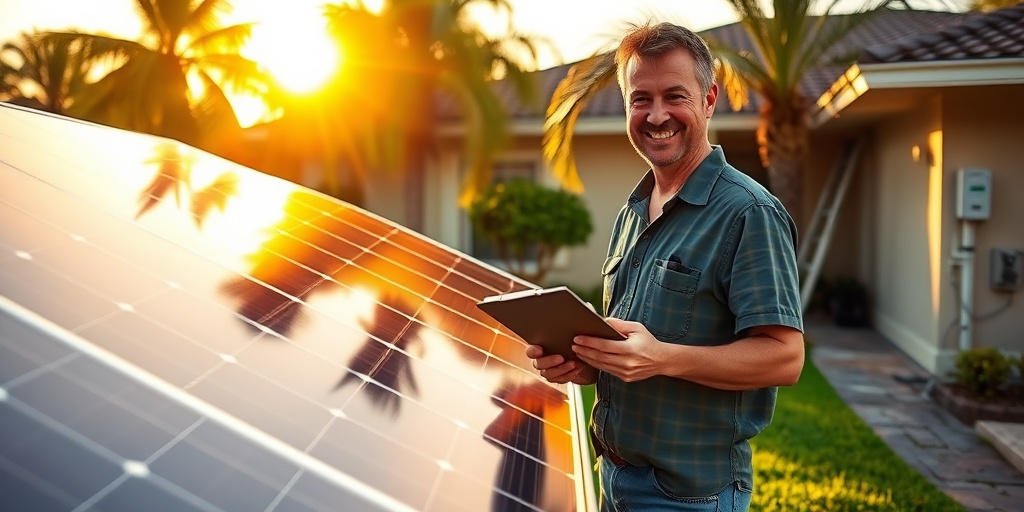
As of 2023, Florida ranks third in the nation for solar power installations, boasting over 1.2 million solar panels across the state (SEIA.org). However, many homeowners remain hesitant to invest in solar energy, often due to widespread misconceptions. This reality brings us to today’s focus: Warning: Don’t Fall for These Solar Panel Installation Myths. Have you ever been told that solar panels are only for the wealthy or that they won’t produce energy on cloudy days? These are just a few of the myths that can mislead homeowners and delay their financial liberation through solar energy. The urgency to address these topics has never been more critical, especially heading into 2025, a year anticipated to see an increase in solar incentives and significant savings for homeowners looking to go green amidst rising electricity costs. In this comprehensive article, we will tackle five sections: a deep dive into common myths surrounding solar installation, an actionable checklist for going solar, an examination of misconceptions, localization of solar benefits in Florida, and finally, a technical deep dive into systems and policy. Let’s empower you to navigate the solar landscape effectively.
Understanding the Truth Behind Solar Panel Installation Myths
Picture this: Jessica, a homeowner in Fort Lauderdale, had been contemplating solar energy for her home. However, she constantly heard the same myths over and over again—“solar panels don’t work well in Florida,” “you have to pay upfront for everything,” and “they are only worth it if you plan to stay in your home forever.” Swamped by all this misinformation, she hesitated to make a decision. But what if I told you that these myths are designed to keep you in the dark, quite literally? By debunking these widely held beliefs, you can shift your perspective and discover the true potential of solar energy. In fact, solar energy can save Florida homeowners over $20,000 over the lifespan of the panels—if installed correctly (Energy.gov).
So, what myths are keeping homeowners like Jessica at bay? First, solar panels work remarkably well even on cloudy days—the technology has advanced to allow effectiveness even in less-than-ideal conditions. Next, there are financing options available that allow homeowners to install solar without paying full price upfront, making it accessible for many more people. Finally, even if you anticipate moving, the long-term savings and increased home value can benefit you immensely at resale time.
- Case Study: Jessica’s Journey
Jessica’s journey is a microcosm of many Florida homeowners’ experiences. After conducting thorough research and consulting with experts, she decided to invest in solar energy. Initial fears transformed into concrete action as she learned about Florida’s solar tax credits and financing options available to make solar an attractive and viable choice. She installed her solar panels in early 2024 and noted an immediate reduction in her electric bill. With the rising cost of electricity—expected to increase by an average of 1.7% per year until 2025—Jessica’s decision to go solar has saved her thousands (Energy.gov). Now, she feels empowered owning a source of renewable energy and recycles her savings into her family’s future. - Checklist: Steps to Take Before Installing Solar
To position yourself for success, follow these essential steps before you dive into solar panel installation:- Step 1: Assess your energy needs. Evaluate past utility bills to determine how much power you consume, which will affect the size and type of system you require.
- Step 2: Ensure your home is energy-efficient. Address any energy leaks or inefficiencies (e.g., sealing ducts, improving insulation) to maximize the effectiveness of your solar panel system.
- Step 3: Research local solar providers. Find reputable contractors with experience in solar panel installation in Florida. Look for customer reviews and testimonials.
- Step 4: Explore financing options. Investigate various financing solutions like solar loans, leases, and Power Purchase Agreements (PPAs) to minimize upfront investment.
- Step 5: Understand state incentives. Make sure you leverage any available state incentives and tax credits to maximize your return on investment (NCSL.org).
- Myth-Buster: Demystifying Solar Energy
Let’s tear down some common myths that hold people back from realizing the benefits of solar power in Florida.- Myth #1: Solar panels don’t work on cloudy days.
The reality is that solar panels can still produce energy even when the skies are cloudy. The efficiency of modern panels means they can generate a significant amount of energy in various weather conditions. - Myth #2: You must pay for solar panels upfront.
Financing options such as loans, leases, and PPAs allow homeowners to adopt solar without heavy upfront costs. These plans also include lower monthly payments than electricity bills in many cases. - Myth #3: Solar is only for homeowners planning to stay long-term.
Solar installations can significantly enhance a home’s value. In many instances, homes with solar panels sell for 4.1% more than homes without them (SolarReviews.com).
- Myth #1: Solar panels don’t work on cloudy days.
- Local Focus: Florida’s Unique Solar Landscape
When considering solar energy in Florida, understanding the local landscape is essential. Here are a few salient points to consider:- The Sunshine State has the potential for abundant solar energy, boasting approximately 237 sunny days per year (Weather.com).
- Florida offers several incentives for residential solar installations, including property tax exemptions and a 26% federal tax credit that expires soon. These advantages make solar investments appealing before 2025.
- Florida’s net metering policy allows homeowners to receive credit for the excess energy their panels send back to the grid, adding to the financial efficacy of solar energy (NREL.gov).
- Technical Deep-Dive: Understanding Solar Technology
When deciding to invest in solar, knowledge is power. Here’s a closer look at critical components:- Solar Panels: These photovoltaic systems convert sunlight directly into electricity. Each panel typically generates between 250 and 400 watts.
- Batteries: Storage batteries allow homeowners to maintain energy independence, storing excess power generated during sunny days for use during peak hours or cloudy weather.
- Inverters: Solar inverters convert the direct current (DC) generated by solar panels into alternating current (AC) for your home, crucial for powering appliances.
- Billing and Incentives: Understanding your utility billing mechanism (net metering and Time-of-Use rates) is essential for optimizing solar usage and savings.
Five Expert Solar Installation Tips for 2025
As you embark on your solar journey in 2025, it’s essential to arm yourself with knowledge and best practices for optimal installation. Remember, your decisions now can influence your energy savings for decades to come.
- Tip 1: Don’t skimp on panel placement.
Proper positioning on your roof can maximize sunlight exposure. Orient panels to the south and adjust their angle accordingly for peak sun hour efficiency. - Tip 2: Choose quality over cost.
Select reputable brands and panels with better warranties and efficiency ratings. Investing in quality can pay off in the long run with lower maintenance costs and better performance. - Tip 3: Schedule maintenance regularly.
Regular cleaning and inspecting of your solar panel system ensure longevity and optimal energy production. Dust, debris, and weather wear can all affect performance. - Tip 4: Engage with local utilities.
Understanding your utility’s policies, incentives, and net metering programs will help you strategize energy savings effectively. Keep open lines of communication with your provider. - Tip 5: Seek expert advice periodically.
Stay informed about changes in solar technology and legislation by consulting with local experts. Regularly reevaluate your system to adjust to new benefits or technological advancements.
An Inspiring Solar Journey: One Florida Homeowner’s Experience
Let’s turn our attention to Michael, a small business owner in Largo. With a keen interest in sustainability, he wanted to power his business using solar energy. Yet, myths and conflicting information flooded his research journey.
Initially, he heard warnings about high installation costs and the perceived unreliability of solar during stormy Florida weather. After an enlightening conversation with a local solar provider, he learned that not only would he benefit from Florida’s numerous tax incentives, but that modern solar panels are designed for high resilience, ensuring that they continue functioning even when storm clouds gather.
Within months, Michael installed a solar energy system at an affordable price thanks to financing options and state incentives. Additionally, his business significantly reduced its carbon footprint, and he projected a savings of $15,000 over the next ten years—all due to informed decision-making and silence on the myths he initially believed.
- This journey taught him the importance of maintaining an open mind regarding solar energy.
- Believing in the transformative power of solar, he decided to adopt it for both his home and business, unlocking savings and environmental leadership.
- His proactive approach not only benefits him but also inspires his customers and the community to boost eco-friendly practices.
- The financial trajectory of his business amidst growing energy prices solidified the value of his decision.
Next Steps for Florida Solar Buyers in 2025
As a Florida homeowner ready to navigate the world of solar energy, take these confident steps toward making a well-informed investment.
Step 1: Audit Your Electric Bill.
Examine your past energy bills to gain insight into your overall usage. Understanding your baseline is crucial before transitioning to solar energy.
Step 2: Research Local Solar Providers.
Find local providers with proven track records and robust customer testimonials. A great solar partner can clarify policies and financing opportunities that suit your situation.
Step 3: Explore Financing Options.
Check out available financing options, including government incentives, to ease your entry into solar energy ownership. This can help lower your initial out-of-pocket costs.
Step 4: Consider an Energy Audit.
An energy audit will reveal opportunities to enhance energy efficiency before installing solar panels, maximizing your system’s effectiveness and savings.
Step 5: Stay Informed on Solar Developments.
Follow industry news and engage with experts to stay updated on technological advancements and legislative changes that directly impact your solar decisions.
For more personalized assistance, don’t hesitate to contact a certified expert at floridaelectricandsolar.com today to help you navigate the solar landscape and seize the enticing opportunities before you.
In Conclusion: Seize the Solar Opportunity
As we recap the knowledge shared through this blog post, it becomes clear that understanding the truth behind solar energy is not just essential—it’s life-changing. By debunking myths, following expert advice, and embracing Florida’s unique solar landscape, a brighter, greener future is within your grasp. In 2025, taking the necessary steps toward solar energy will not only elevate your home or business but also contribute to a sustainable future we can all share.
With electricity costs rising, the decision to go solar has never felt more urgent. Afford yourself the power and savings you deserve. You stand to not only enhance your home’s value but also secure your family’s future and contribute positively to our environment. Ready to start your solar journey in 2025? Connect with a certified expert at floridaelectricandsolar.com today.
Related Articles
More insights about Solar Panel

Florida Homeowners: Why Solar Panel Maintenance Is Essential

7 Essential Steps for Solar Panel Installation Success

Expert Insights: Key Factors Influencing Solar Panel Lifespan
Ready to Go Solar?
Have questions about solar energy? Our experts are here to help you make the switch to clean, renewable energy.