
Warning: Don’t Fall for These Solar Scams to Avoid
Share:
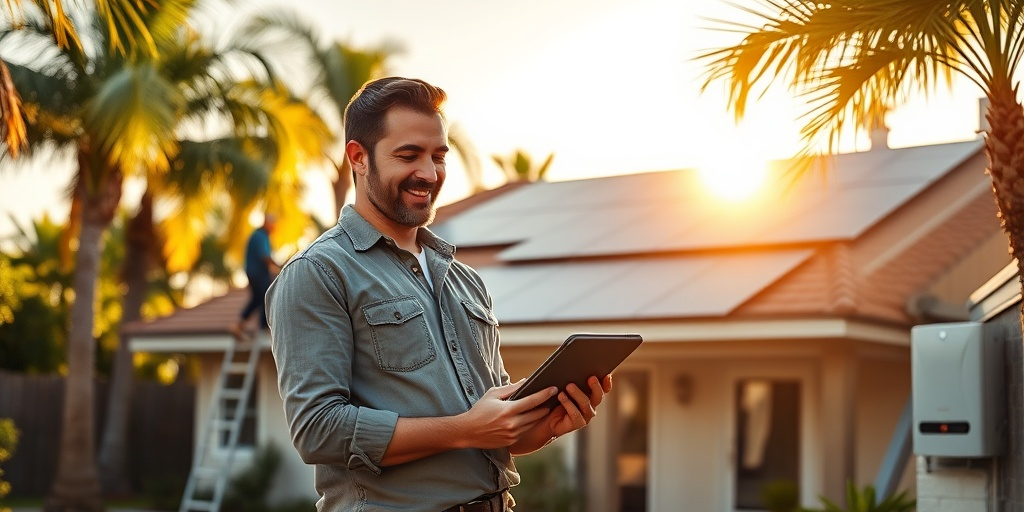
In an era where energy independence is more vital than ever, many Florida homeowners are awakening to the potential of solar power. As energy prices reach an all-time high, using the sun’s rays to offset monthly electric bills is becoming not just a trend, but a necessity. But in 2025, an alarming reality awaits: solar scams are proliferating, preying on unsuspecting homeowners who may not know how to differentiate between legitimate offers and fraudulent schemes. In this article titled Warning: Don’t Fall for These Solar Scams to Avoid, we will uncover the red flags that you should be aware of and provide actionable insights to secure your investment in solar panel installation today. Notably, the Solar Energy Industries Association (SEIA) estimates that Florida currently ranks third in the U.S. for solar installations with an impressive 14,305 megawatts of solar capacity, yet with this growth comes the increased risk of deceitful practices (SEIA.org). In fact, studies reveal that nearly 25% of homeowners express dissatisfaction due to mismanaged solar contracts (SolarReviews.com)—an alarming statistic that only heightens the urgency to stay informed. As energy efficiency mandates increase and grant programs become more accessible, knowing how to protect yourself in this changing landscape is crucial. Throughout this comprehensive guide, we will delve into these five vital sections: a deep dive into real-life cases of solar scams; a practical checklist to safeguard yourself; myth-bust common misconceptions; examine Florida-specific solar market nuances; and provide a technical analysis on solar investments.
Section 1: Understanding Solar Scams Through Real Cases
The shadowy world of solar scams is riddled with half-truths and deceitful practices designed to exploit the hopes of prospective solar buyers. One compelling case study comes from the heart of Orlando, where a well-meaning couple, Greg and Lisa, decided to invest in solar power to minimize their energy costs. They were initially drawn in by promises of no upfront costs and significantly reduced monthly bills but soon found themselves tangled in a web of fine print and hidden fees. After several months of waiting for their system to be installed, they received an email stating that they needed to pay an additional 50% of the installation cost due to alleged unforeseen expenses. Feeling trapped, they reached out for support but were met with radio silence. Their experience serves as a sobering reminder of the potential pitfalls that lurk in the solar industry.
To avoid falling victim to similar scams, it’s vital to develop a robust checklist.
- Research the company: Always verify the legitimacy of the solar provider you are working with. Check their reviews, accreditation, and industry standing by citing platforms like the Better Business Bureau.
- Read the contract thoroughly: Before signing anything, ensure that you fully understand the terms involved. Give special attention to payment schedules, obligations, and cancellation clauses.
- Ask about warranties: A reputable solar provider should offer comprehensive warranties for both the equipment and installation services. Be wary of companies who skirt around warranty details.
- Beware of “special deals”: If an offer sounds too good to be true, it probably is. Avoid providers that pressure you into making a quick decision.
- Get multiple quotes: Always compare offers from several solar companies. This not only gives you leverage but enables you to identify inflated pricing or unrealistic promises.
In Florida, the solar market is remarkably competitive; thus, consumers possess leverage in picking an ideal installer. Based on the findings from SEIA, as more states push for renewable energy transition, Florida’s incentives pave the way for an influx of new companies—few with ethical practices and many looking solely at profits. Crisis preparation is indeed part of the solution.
As you navigate your solar journey of empowering your household, keep these red flags in mind as we venture into the common myths that often mislead potential buyers.
Section 2: Common Myths About Solar Energy
Myth #1: Solar Panels Don’t Work in Cloudy Weather. This is a widespread misconception. While direct sunlight increases efficiency, solar panels can still generate electricity even on overcast days due to diffuse sunlight. Statistics show that solar panels can produce 10-25% of their full capacity in cloudy conditions (Energy.gov).
Myth #2: Solar Energy is Too Expensive. Many homeowners believe that solar installations are predominantly a luxury rather than an affordable solution. In reality, declining installation costs and attractive federal tax credits, along with solar incentives in Florida, mean that solar is accessible to a broader audience (SEIA.org). Furthermore, the prospect of long-term savings makes solar power a financially viable option.
Myth #3: All Solar Panels Are Created Equal. Quality and efficiency vary significantly between manufacturers. Opting for lower-priced panels often involves sacrificing durability and performance. Panels vary in efficiency ratings, and investing in high-quality panels can yield greater energy production, ultimately offsetting costs more effectively.
Myth #4: You Must Purchase Solar Panels Upfront. Many prospective buyers feel excluded from solar opportunities due to upfront costs. However, financing options—including solar leases and power purchase agreements—allow homeowners to go solar at little or no upfront costs while enjoying immediate savings on their electric bills.
Myth #5: You Can Install Solar Panels Yourself. Unless you are certified and experienced, self-installing solar panels can lead to improper installation, voiding warranties, and producing less energy. Solar installation requires specialized knowledge for compliance with local building codes and utility regulations.
While these myths can cloud judgment, it is essential to understand the nuances of the solar energy landscape specific to Florida. With approximately 20% of the state’s population considering solar in the past five years, clarity leads to confidence in decision-making (SolarReviews.com). Transitioning to solar power involves not only financial considerations but emotional aspects, understanding it truly is a journey to energy independence.
Section 3: 5 Expert Solar Installation Tips for 2025
When considering solar power, it’s essential to approach installation with prudence and knowledge. Here are five expert tips for ensuring a smooth solar installation:
Tip #1: Don’t Skimp on Panel Placement. Proper positioning plays a significant role in how much energy your panels will generate. Ensure they are installed on the roof’s optimal angle and orientation to maximize sunlight exposure year-round.
Tip #2: Hire Certified Installers. Choosing certified professionals ensures compliance with local laws and regulations. In Florida, hiring licensed solar contractors can also safeguard your system under state laws, providing some level of protection against subpar installations.
Tip #3: Understand Your Energy Needs. Every home has unique energy consumption patterns. Analyze your utility bills to determine the best solar system size that meets your monthly needs while taking future increases into account.
Tip #4: Look for Quality, Not Just Price. Although affordability is crucial, focusing on longevity and efficiency can provide better value over time. Brands with a proven track record for durability and performance might have a higher upfront cost but will save you money in the long run.
Tip #5: Keep an Eye on Local Incentives. Florida offers multiple incentives for homeowners making the switch to solar. Stay informed about these opportunities, such as property tax exemptions and rebate programs, which can substantially offset installation costs.
As you prepare for your solar journey in 2025 and beyond, employing these five strategies can increase your chances of a positive outcome. For more resources and tailored advice, consider visiting floridaelectricandsolar.com.
Section 4: A Florida Homeowner’s Journey to Solar Success
Imagine yourself in sunny Tampa, Florida, where homeowner Sarah has just received her last utility bill and was distraught. The numbers were staggering—over $300! Determined to take charge of her energy consumption, she sought out solar power and began her journey towards sustainability and savings. After researching various firms, she found a reputable solar company praised by her neighbors. Through this extensive research phase, Sarah learned about critical elements like product warranties, installation standards, and potential savings over time.
She received several quotes and was prepared to negotiate. After securing an affordable price, she felt confident enough to proceed. The solar installation crew arrived punctual and professional, transforming the rooftop into a panel-studded expanse of energy independence. Just six months later, she noted a significant dip in her electric bills and the energy output continually surpassed her expectations. But it was not just financial relief—Sarah took pride in contributing to a cleaner, greener planet, too.
Her journey also reinforced certain crucial lessons:
- Trust Your Research: Sarah’s thorough evaluation of her options helped her circumvent common traps.
- Engage with Your Installer: An open line of communication allowed her to clarify questions and gain insights throughout the installation process.
- Get Informed About Maintenance: Sarah learned that routine checks ensure efficiency and longevity, providing her peace of mind.
- Stay Energy Efficient: She began to incorporate energy-efficient appliances, maximizing her solar investment.
Less than a year into her solar journey and Sarah was proof of what is possible when empowered with knowledge. She encapsulated her uplifting experience as she celebrated her energy independence. These stories epitomize the potential of switching to solar energy while educating yourself and choosing the right path forward.
Section 5: Next Steps for Florida Solar Buyers in 2025
If you are a Florida homeowner poised to dive into the solar revolution, there are actionable steps you should follow to ensure a fruitful investment and avoid the doom of scams.
- Audit Your Electric Bill: Evaluate your electricity usage to understand your consumption patterns. This insight will guide you on how much solar power you require to offset costs.
- Gather Multiple Quotes: Connect with various solar installers and request quotes. Include questions about warranties, installation processes, and ongoing support.
- Understand Local Incentives: Make detailed inquiries about available rebates and solar tax credits, which can heavily influence your final costs.
- Read Reviews and References: Seek out testimonials and reviews from past customers. Engaging with local forums can also provide real-world insights.
- Secure Financing Options: Choose relevant financing options that suit your financial standing, be it solar loans, leases, or power purchase agreements.
By following these actionable steps, you position yourself as a knowledgeable buyer eager to invest wisely in solar technology. For tools and resources that facilitate your transition to solar, visit floridaelectricandsolar.com.
As we wrap up this extensive journey through the myriad facets of solar scams, the importance of being vigilant and informed cannot be overstated. Education is your most powerful tool in navigating this complex landscape. By engaging actively and building a comprehensive understanding, not only can you circumvent pitfalls, but you also help pave the way for a brighter, sustainable future for yourself and your community. Time is of the essence; the sooner you invest in solar power, the sooner you start enjoying long-term benefits and energy independence.
Ready to start your solar journey in 2025? Connect with a certified expert at floridaelectricandsolar.com today.
Related Articles
More insights about Solar Scams

Warning: Don’t Overlook These Solar Scams to Avoid

Don’t Miss This Critical Alert About Solar Scams

Don’t Ignore These Critical Solar Scams to Avoid
Ready to Go Solar?
Have questions about solar energy? Our experts are here to help you make the switch to clean, renewable energy.