
Warning: Don’t Ignore These Critical Solar Panel Installation Risks
Share:
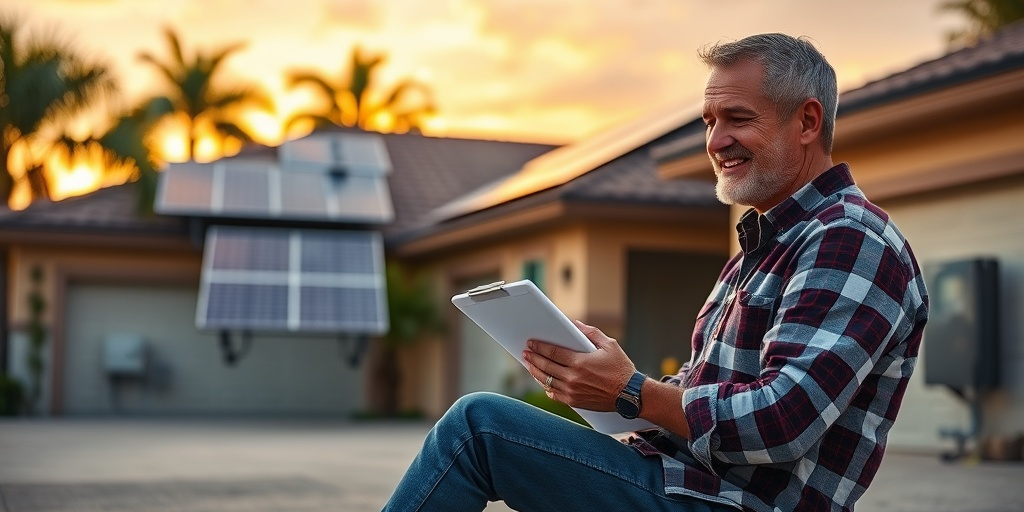
As energy costs continue their relentless climb, the urgency to find efficient, sustainable alternatives to traditional power sources has never been clearer. Did you know that over 90% of Florida homeowners are considering or have already made the switch to solar energy? However, a staggering percentage are unaware of the critical risks involved in solar panel installation. This brings us to our topic today: Warning: Don’t Ignore These Critical Solar Panel Installation Risks. In 2025, as state incentives heighten and energy consumption patterns shift, understanding these risks becomes paramount for anyone interested in solar energy. For example, a recent report from the Florida Solar Energy Industries Association revealed that improper installation could reduce a solar panel’s efficiency by up to 20% and lead to costly repairs down the line (SEIA.org). Furthermore, it’s estimated that around 30% of solar system components face compatibility issues—potentially voiding warranties (SolarReviews.com). This article serves as a vital resource, educating you about the construction and installation pitfalls while empowering you to safeguard your investment. We’ll tackle five crucial areas: the emotional stories from real homeowners, a thorough checklist for solar installation, a myth-busting segment on common misconceptions, a local focus on Florida-specific risks, and an in-depth analysis of the technical aspects of solar energy systems. Let’s dive in!
Understanding the Emotional and Financial Implications of Poor Solar Installations
When it comes to residential solar panel installations, the stakes are incredibly high. A growing number of Florida homeowners have embarked on this journey, hoping to cut costs and contribute to a sustainable future. However, what happens when it goes wrong? Meet John and Claire, a typical couple living in Orlando. They decided to go solar after seeing exorbitant electric bills, estimating that they could save over $1,500 a year by switching to solar power. Excited by the prospect, they hired a contractor who presented a rock-bottom quote and a promise to finish the installation in a week. Unfortunately, two months later, John and Claire found themselves not only without electricity but also facing unforeseen expenses due to improper placement of panels that led to significant shading issues. The installation team had failed to assess their roof’s topology accurately.
Their story isn’t isolated. A checklist of critical steps in the solar installation process might have saved them needless stress and financial setbacks:
- Research Your Contractor: Verify certifications and read reviews.
- Understand the Design: Evaluate the proposed layout for shading and aerodynamics.
- Inquire About Warranties: Ask about equipment and installation warranties before signing contracts.
- Inspect System Components: Ensure that panels, inverters, and batteries are compatible.
- Plan for Maintenance: Discuss maintenance plans and service agreements upfront.
These steps foster accountability during the installation process—ensuring that your investment is securely built from the ground up.
Now, let’s dispel myths surrounding solar panel installations that might mislead you into making poor decisions.
Myth-Busting Common Solar Panel Installation Misconceptions
Myth #1: Solar installations are a “one-size-fits-all” solution.
This couldn’t be further from the truth. Each home is unique, with varying roof types, sun exposure, and energy needs. A consultative approach is critical for a system tailored to your requirements.
Myth #2: DIY installations save money.
While tackling installations yourself sounds appealing, it often results in costly errors and inefficiencies. Certified experts bring technical know-how that can substantially enhance system performance.
Myth #3: Solar panels need constant maintenance.
Many modern systems are designed for longevity and minimize upkeep. Regular cleanings and inspections can be sufficient, but keeping in touch with your installer can simplify it.
Myth #4: Installing solar panels will damage my roof.
A skilled installation team not only ensures proper fitting but also enhances your roof’s durability. In some cases, installing solar panels can protect shingles from weather damage by providing a barrier.
Myth #5: Once installed, there’s nothing else to worry about.
Complacency can lead to neglect. Regular system checks and monitoring can help you catch potential issues before they become significant problems.
With this knowledge, you can approach vendors with critical questions and specific requirements tailored to your home’s individual circumstances.
Florida-Specific Installation Risks: What Every Homeowner Needs to Know
As a Florida homeowner, it’s crucial to recognize risks unique to our geographical location. Our sun-drenched state may seem a perfect canvas for solar energy, but there are hidden traps plotted along the way:
- Hurricane Preparedness: Storms can pose threats to improperly secured solar systems. Inadequate installation can lead to catastrophic failures.
- High Humidity Awareness: The moisture levels may deteriorate the equipment if not appropriately sealed. It’s essential for systems to be resistant to corrosion.
- Permit and Code Compliance: Florida mandates specific permits and building codes, which can vary across counties. Failure to comply risks fines and installation rejection.
- Insurance Considerations: Some homeowners may overlook policy implications. Before you install, engage with your insurance provider to understand necessary coverage.
- Inverter Failure Rates: Inverters are critical to solar performance. Approximately 70% of inverter failures occur in humid areas without proper ventilation (NREL.gov). Understanding inverter specs can save significant future costs.
By being aware of these Florida-specific risks, homeowners can adapt their planning and installations to shield investments against preventable issues.
Next, let’s delve deep into the technical side of solar energy, focusing on how to ensure that you are maximizing your investment.
Maximizing Your Solar Investment: A Technical Deep-Dive into Installations
Understanding solar energy systems’ technical components is vital for any property owner aiming for efficiency. Here are the primary elements to consider:
- Solar Panels: These are generally composed of crystalline silicon and have different ratings for efficiency. Look for panels with an efficiency rating above 18% for optimal energy capture.
- Inverters: This component converts the sunlight captured by your panels into usable electricity. String inverters are common but consider micro-inverters for greater efficiency in shaded areas.
- Battery Storage: Storing excess energy can help mitigate energy costs during peak hours. Lithium-ion batteries are the most common today, known for their longevity and effectiveness.
- Monitoring Systems: A reliable monitoring system allows you to track your solar production in real-time. Many systems will alert you of potential issues before they necessitate costly repairs.
- Grid-Tie Considerations: Ensure your solar system meets utility regulations for grid-tied systems, which can vary in installation requirements and feed-in tariffs across Florida.
Knowledge is power when it comes to selecting trusted vendors who understand the intricacies of these components. Conduct diligent research, and do not hesitate to ask questions to clarify the technical specifications and anticipated performance of the system recommended for your home.
Lastly, let’s compile a decisive action plan tailored to Florida homeowners who are excited to embark on their solar journey.
Next Steps for Florida Solar Buyers in 2025
The journey toward solar energy doesn’t have to be overwhelming. Here’s a step-by-step action plan to simplify the process, reducing potential friction:
- Step 1: Audit Your Electric Bill: Understanding your energy consumption is the first step. Break down your monthly usage and identify peak months.
- Step 2: Research Local Incentives: Florida has tailored incentives that can offset your solar installation cost. Visit state websites or engage with a certified expert for up-to-date information.
- Step 3: Get Several Quotes: Approach multiple contractors and compare pricing and services to find the best fit. Look for transparency in proposals.
- Step 4: Evaluate Contracts Carefully: Before signing anything, scrutinize the fine print on warranties, service agreements, and payment plans.
- Step 5: Plan for Future Energy Needs: If you anticipate expanding your family or integrating electric vehicles, factor this into your system design to ensure growth potential is accounted for.
Preparedness is key to navigating Florida’s solar landscape with confidence. To streamline your search for reliable information, visit floridaelectricandsolar.com to connect with proven experts committed to education and energy independence.
Conclusion: Your Solar Story Awaits
As we’ve uncovered throughout this article, embarking on a solar journey is both exciting and fraught with challenges. The stakes are high, not only in financial investment but in your commitment to a sustainable future. With risks ranging from improper installations to the sometimes-misunderstood intricacies of solar technology, empowering yourself with knowledge is indispensable in safeguarding your investment. Remember John and Claire’s story; their path could have been smoother had they been prepared. Don’t let oversight or misconceptions dictate your solar experiences. Armed with the confidence that comes from understanding, you can execute a well-informed, strategic plan that sets you on a path to energy independence.
Today’s decisions shape tomorrow’s outcomes. For Florida homeowners excited to start their solar journey in 2025, don’t hesitate—reach out and connect with a certified expert at floridaelectricandsolar.com today.
Related Articles
More insights about Solar Panel

Florida Homeowners: Why Solar Panel Maintenance Is Essential

7 Essential Steps for Solar Panel Installation Success

Expert Insights: Key Factors Influencing Solar Panel Lifespan
Ready to Go Solar?
Have questions about solar energy? Our experts are here to help you make the switch to clean, renewable energy.