
Warning: Don’t Overlook These Solar Panel Installation Risks
Share:
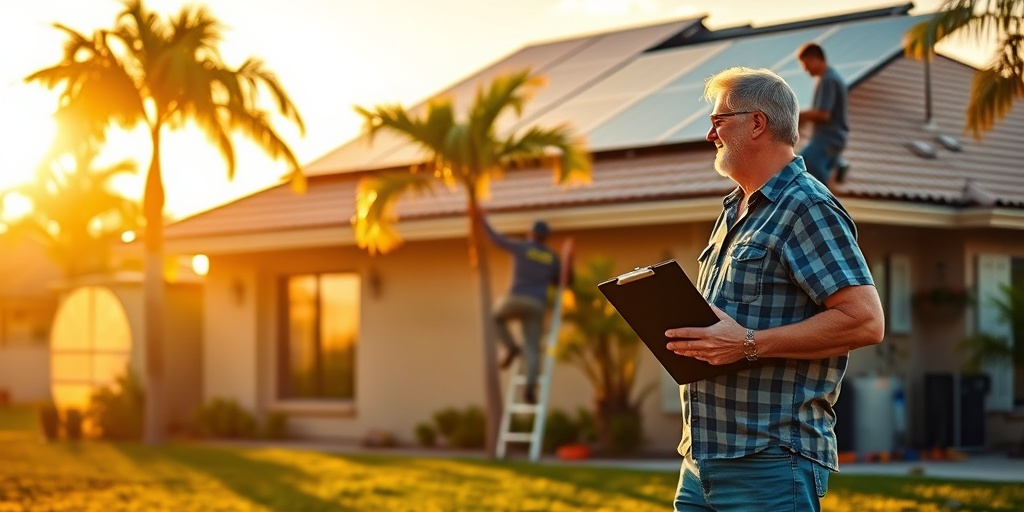
Imagine being a Florida homeowner who finally decided to take the plunge into solar energy. You’ve done your research, received glowing testimonials from your friends, and even have a neighbor whose new solar panels have significantly reduced their electric bills. Everything seems perfect until the day you discover the hidden risks of solar panel installation that could have dire consequences on your investment. In today’s rapidly evolving energy landscape, understanding these risks is more crucial than ever, particularly in 2025 as Florida homeowners are facing rising energy costs and increased demand for renewable energy solutions. In our article titled, Warning: Don’t Overlook These Solar Panel Installation Risks, we will delve into essential details that every prospective solar owner must know before making a decision. Did you know that, as of 2023, Florida holds the fourth spot in the nation for solar installations with over 20,747 megawatts installed (SEIA.org)? Additionally, 48% of Floridians have considered adopting solar energy, driven by the need for renewable energy and cost savings (SolarReviews.com). With the urgency to act now, we will guide you through five critical sections: a deep dive into the common risks, a comprehensive checklist for evaluating your solar installation, a myth-buster for misconceptions surrounding solar energy, best practices for solar installations, and an actionable plan for new solar buyers!
Understanding the Risks: Solar Panel Installation Deep Dive
First, let’s dive into some stark realities of solar panel installation. While the benefits of going solar are undeniable, the risks can sometimes be overshadowed by the allure of decreased electric bills and environmental benefits. Let’s consider the story of Laura, a homeowner from Tampa who was ecstatic about her decision to go solar. Laura invested in a solar panel system in 2024, but failed to properly vet her installation company. After installation, leaks developed in her roof, leading to costly repairs that threatened her overall financial investment. Unfortunately, Laura’s experience is not unique. Many Florida homeowners face unexpected costs due to overlooked risks in their solar projects.
- Case Study – The Tampa Tragedy: Laura’s situation sheds light on poor installation practices that can lead to structural issues, such as leaks, which can dramatically impact home integrity and lead to prohibitively expensive repairs.
- Checklist for Safe Installation: Understanding what to look for before diving in can save you headaches down the road. Here are five critical steps to ensure you avoid pitfalls:
- Select a reputable solar installer with verified credentials.
- Insist on using high-quality, certified solar panels to avoid performance issues.
- Review all contracts and warranties carefully before signing.
- Ensure local permits are secured to follow building codes, avoiding fines or repair costs later.
- Request completion inspections to ensure system efficiency post-installation.
- Myth-Busting Common Misconceptions: One common myth is, “Solar panels always increase home value.” This is misleading; in some cases, poorly installed panels or subpar systems can reduce property value.
- Local Focus on Florida’s Solar Landscape: Florida’s solar market is projected to continue growing exponentially. But, ensure your installer is familiar with state-specific regulations and incentives. For instance, the Florida Solar Incentive Program can be a game-changer for homeowners, provided all conditions are met.
- Technical Deep-Dive into System Efficiency: Installation quality directly influences system efficiency. Discuss modules, inverters, and batteries with your installer, as low-quality components can result in underperformance.
Understanding these risks is essential as Florida’s solar landscape grows, and the demand for energy becomes increasingly important. By ensuring you’re informed, you can protect your investment and enjoy the full benefits of solar power. Next, let’s discuss actionable steps in evaluating your solar installation!
Critical Checklist for Preventing Installation Risks
Your solar journey starts with understanding your options, and a well-informed choice is critical to maximizing your return on investment. Step 1: Evaluate Your Electric Bill. Look at your consumption patterns, seasonal usage, and long-term energy needs. Comparative analysis will show you how large of a solar system you need to maximize savings. Step 2: Research Local Installers. Choose multiple providers, gather quotes, evaluate reviews, and ensure they’re licensed and insured. Step 3: Understand Installation Costs. Beyond just the price of the panels, consider installation, permits, and any hidden fees that may arise later. Look for transparency offered by your selected company.
- Step 4: Verify the Technologies. Ask about the types of panels being installed—solar technology is advancing! Brands like Panasonic and SunPower offer long-term warranties that give you peace of mind.
- Step 5: Qualify for Incentives. Florida has programs that provide rebates and tax credits for solar installations. Maximizing these can significantly offset costs (NREL.gov).
With these steps in hand, it becomes essential as you navigate your solar journey. Always remember, “prevention is better than cure.” Remaining vigilant not only saves costs in the long run but ensures a hassle-free transition to solar power. Now let’s debunk some myths commonly held about solar energy!
Debunking Solar Myths: What You Need to Know
As you prepare for solar, it’s imperative to address some of the widespread misinformation surrounding solar installations. This section will demystify misconceptions that often deter potential solar adopters from moving forward.
- Myth #1: Solar Panels Will Always Increase Home Value: Not necessarily! While solar panels represent a considerable investment, poorly installed systems can negatively impact property values—especially if structural damages occur.
- Myth #2: Solar Power Works the Same in All States: Florida residents benefit from more sunlight than many other states, making it an excellent place for solar. However, local incentives and regulations can vary significantly from one area to another.
- Myth #3: Solar is Too Expensive: With growing competition in the solar market and financing options available, solar installations may now be more affordable than you think. Look into loans, leases, and PPAs (Power Purchase Agreements).
- Myth #4: Solar Installation is a One-time Affair: Many homeowners believe that once installed, everything functions without external input. Regular maintenance and monitoring are necessary to ensure optimal performance over time.
- Myth #5: All Solar Installations are the Same: Quality matters! Different installers and brands can affect performance and longevity, so it’s essential to do your research and choose wisely.
Equipped with the truth, you can face any potential installation risks head-on, ensuring a successful transition to solar energy. But knowing these myths isn’t enough; understanding best practices is crucial. Let’s explore some expert tips for the best solar installations in 2025!
5 Expert Solar Installation Tips for 2025
Best practices make all the difference when it comes to effective solar installation. Here are five crucial tips to ensure your installation goes smoothly:
- Prioritize Quality over Cost: Seek out top-rated installers and quality components. Saving a few dollars now could lead to more significant future expenses if you choose low-quality materials.
- Plan for Future Energy Needs: Consider future energy consumption. If you anticipate expanding your family or might add appliances down the line, ensure that your system can accommodate these changes.
- Site Survey is Necessary: Request a site survey to evaluate location and positioning of panels for optimal sun exposure, making the most of your investment.
- Utilize Monitoring Technology: Advanced systems have monitoring technology that allows you to track performance. Awareness of issues can lead to rapid fixes, ensuring efficiency.
- Connect with Community Resources: Join solar advocacy groups within Florida. These platforms will keep you in the loop regarding share experiences and incentives in the local market.
By integrating these expert recommendations, your solar installation journey becomes a seamless experience. Remember, preparation today leads to beautiful sunny savings tomorrow! Now, let’s illustrate a typical Florida homeowner’s solar journey.
A Florida Homeowner’s Solar Journey
Meet Angela, a 35-year-old mother of two living in Winter Park. Angela loved the idea of going solar but was overwhelmed by the processes involved. However, she was determined to leave a positive legacy for her children and opted for solar energy. After consulting experts and carefully weighing her options, she finally committed to an installation. Here’s how her journey unfolded:
- Research and Discovery: Angela scoured local resources and online forums, joining community discussions and discovering incentives, as well as solar-friendly policies available, such as the Florida Solar Energy Program.
- Installation Day: On the big day, Angela was present to monitor the installation. The certified technicians performed a thorough survey beforehand, ensuring optimal panel placement.
- Post-Installation Monitoring: Shortly after installation, Angela received access to her new monitoring app, verifying system efficiency and energy production.
- Years Later: Two years post-installation, Angela noted her energy bills were slashed drastically, reinforcing her belief in the investment. The community even dubbed her a sustainability advocate!
Angela’s journey showcases the importance of careful planning and community involvement in becoming ready for solar adoption. Next, let’s summarize pivotal next steps for Florida solar buyers looking to jump in for 2025!
Next Steps for Florida Solar Buyers in 2025
Transitioning to solar energy can feel daunting. However, following a systematic action plan significantly reduces friction. Here’s a checklist for Florida homeowners looking to go solar:
- Step 1: Audit Your Electric Bill: Track your last 12 months of energy usage to understand your average monthly consumption.
- Step 2: Research Installers: Build a shortlist of reputable solar installers in your locality. Compare services and ask for user testimonials.
- Step 3: Check for Permits: Ensure that your installer understands local zoning laws and that necessary permits are in place.
- Step 4: Evaluate Product Quality: Investigate brands and select high-efficiency modules, inverters, and storage systems. Ask about warranties.
- Step 5: Engage with Experts: Don’t hesitate to engage professionals like those at floridaelectricandsolar.com to get personalized recommendations tailored to your energy needs.
You deserve to own your energy. By adhering to these steps, you pave the way for a successful transition into a cleaner, more efficient energy future. Making informed decisions now will lead to savings as energy prices rise. As we close this detailed exploration, let’s recap the journey.
Conclusion
As we reflect on our deep dive into the risks associated with solar panel installations, it’s evident that preparedness is vital for success. Understanding risks—like installation quality, correct equipment, and local policies—can dramatically influence your satisfaction and savings in the long run. With the projected growth of solar energy in Florida, 2025 is an optimal moment to embark on your solar journey. Remember Laura’s story and learn from her experience; the stakes are high, but so are the rewards. So why wait? Connect with a certified expert at floridaelectricandsolar.com today. Embrace the power of the sun and take control of your energy future!
Related Articles
More insights about Solar Panel

Florida Homeowners: Why Solar Panel Maintenance Is Essential

7 Essential Steps for Solar Panel Installation Success

Expert Insights: Key Factors Influencing Solar Panel Lifespan
Ready to Go Solar?
Have questions about solar energy? Our experts are here to help you make the switch to clean, renewable energy.