
Warning: Don’t Overlook These Solar Panel Installation Scams
Share:
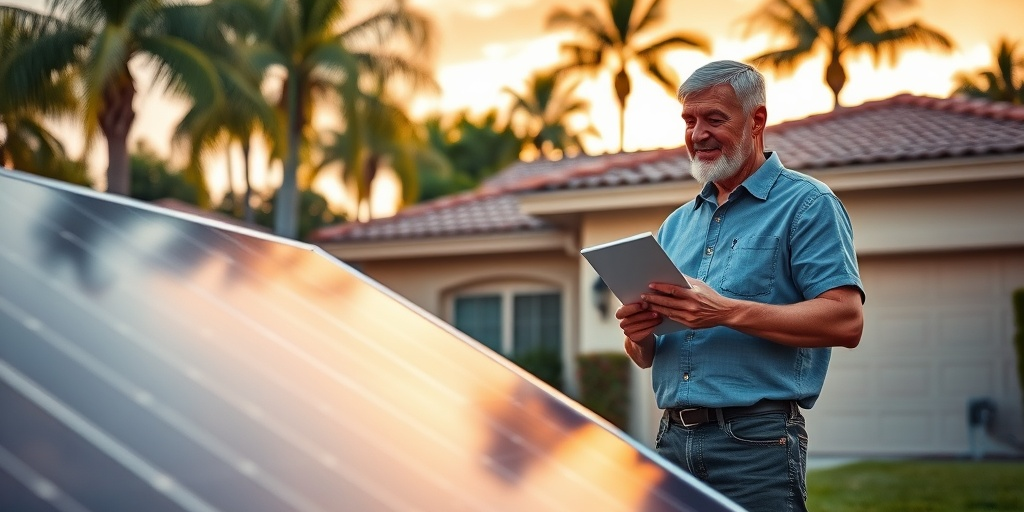
Imagine standing on your sun-drenched patio in Florida, sipping iced tea, and knowing that your home has become a haven of sustainability and savings. But lurking beneath this idyllic vision lies a potentially troubling reality: solar panel installation scams that could turn your solar dream into a costly nightmare. The title of this blog sums it up perfectly: Warning: Don’t Overlook These Solar Panel Installation Scams. In recent years, fraudulent practices within the solar industry have become alarmingly prevalent, especially as Florida homeowners recognize the increasing need for renewable energy solutions. In fact, solar energy installations in Florida have more than doubled since 2020, making it the leading state for new installations (SEIA.org). Moreover, the average cost of solar in Florida has dropped significantly, making it an attractive endeavor—but also a prime target for scammers looking to exploit unsuspecting homeowners (SolarReviews.com).
As we move into 2025, the urgency to shed light on these warning signs grows stronger than ever. Rising energy costs, coupled with new and enticing solar incentives, mean that many Florida residents are considering going solar for the first time. However, inadequate knowledge of the installation process and the growing demand for solar power can lead to vulnerability against deceitful practices. In this comprehensive guide, we will explore five vital areas of focus:
- Understanding common scams through a detailed case study.
- A practical checklist for identifying genuine solar installation companies.
- Debunking myths that could lead you astray.
- The local landscape of solar in Florida.
- An in-depth look at the technical aspects of solar panel systems.
Get ready to arm yourself with the knowledge to make informed decisions and protect your hard-earned money as we navigate through the often murky waters of solar energy in 2025.
Understanding Common Solar Panel Installation Scams: A Case Study
Meet Julie, a single mother of two living in Tampa, Florida. In 2025, with rising utility bills weighing heavily on her budget, she decided to explore solar power as a potential solution. After some online research, Julie stumbled upon a flashy advertisement promising massive savings on installation costs along with free solar panels. She clicked, filled out her information, and soon found herself in contact with a company claiming to be the fastest way to go solar. It sounded too good to be true, and it was.
Julie learned the hard way that this ‘company’ was a scam. After signing a contract, payments were made, and installation dates promised but never fulfilled. Her financial loss amounted to thousands of dollars, and her energy woes persisted. This cautionary tale is not unique; cases like Julie’s are on the rise as scammers capitalize on homeowners’ eagerness to adopt green technology. In fact, as solar power adoption has increased, so has the number of related fraud reports. The Florida Department of Agriculture and Consumer Services reported a staggering 25% increase in solar-related fraud complaints in 2024 alone (FDACS.gov).
To protect yourself and prevent similar outcomes, here’s a concise checklist to keep in mind:
- Verify the company’s credentials: Check for certifications with reputable organizations, such as the North American Board of Certified Energy Practitioners (NABCEP), to ensure you are dealing with a legitimate solar installer.
- Research customer reviews: Look into customer testimonials and overall company ratings on platforms like Google or Yelp to gauge their reliability and service quality.
- Get multiple quotes: Don’t settle for the first offer. Gather estimates from at least three different solar companies to compare pricing, services, and warranties offered.
- Beware of pushy sales tactics: Legitimate businesses won’t pressure you into immediate decisions. If you feel rushed, walk away.
- Understand the contract thoroughly: Read every part of your contract before signing, and don’t hesitate to ask questions regarding terms you do not understand.
Armed with this information, let’s now tackle some common myths in the solar world that can cloud your judgment.
Myths Surrounding Solar Energy Debunked
In a world filled with information, it’s easy for misunderstandings to propagate, especially regarding complex topics like solar power. Below are some myths that could hinder your solar journey if taken at face value.
Myth #1: Solar panels are only cost-effective in sunny areas.
While Florida’s abundant sunshine is ideal, many regions get enough sunlight to make solar installations feasible. Estimates show that even in less sunny regions, solar power can significantly offset energy costs.
Myth #2: Solar energy systems require a lot of maintenance.
In reality, solar energy systems are remarkably low-maintenance and often require little more than a thorough cleaning every few months, especially after storms. Most companies offer warranties covering system components for 20 years or more.
Myth #3: You’ll never recover the installation costs.
According to numerous studies, the average payback period for solar panel installations in Florida is around 5–7 years, after which homeowners can expect significant savings, thanks to lower energy bills (NREL.gov).
Myth #4: You’ll be left in the dark during outages.
Many homeowners are unaware that solar systems can include battery storage, allowing for continued power supply even when the grid goes down.
Myth #5: All solar installers are the same.
This is perhaps the most dangerous myth. Just as with any other home improvement project, the quality of service and products varies greatly by installer. Rigorous vetting of companies is crucial to avoid scams.
With these myths debunked, it’s vital to focus on the unique aspects of Florida’s solar landscape to deepen your understanding of local challenges and opportunities.
Florida’s Unique Solar Landscape
Florida, often referred to as the Sunshine State, has a unique solar energy landscape that presents both immense opportunities and specific challenges for homeowners. As demand for solar energy continues to grow, so do the regulations and incentives specific to our state. In the coming sections, we will dive into local policies that help govern solar installations in 2025.
The Florida Solar Energy Industry Association (FlaSEIA) reports that the state’s solar market is predicted to grow by 20% annually over the next five years, driven largely by state and federal support (FlaSEIA.org). However, it is essential to stay informed about both the advantages and the potential pitfalls of this rapidly changing environment. Here’s what you need to know:
- Net Metering: Florida offers net metering, allowing homeowners to receive credit for any surplus energy they send back to the grid. This creates a powerful financial incentive for many new solar homeowners.
- Tax Incentives: The federal solar investment tax credit (ITC) continues to offer substantial savings in 2025, allowing homeowners to receive a percentage of their installation costs back as a tax credit.
- Rebate Programs: Some Florida utilities have rebate programs specifically for solar installations, making the financial feasibility even more attractive for homeowners.
- Community Solar Programs: Florida is also seeing a rise in community solar initiatives, making solar access available to those who cannot install panels on their roofs due to financial or logistical constraints.
As the landscape evolves, it is critical to stay abreast of the latest developments to ensure you maximize the benefits while avoiding potential traps. Now, let’s delve deeper into the technical aspects of solar energy systems, which can empower you significantly in making a well-informed decision about your purchase.
Technical Deep-Dive: Understanding Solar Energy Systems
Solar energy systems can be complex, but understanding the fundamental components can empower homeowners to make informed purchasing decisions. Knowing what you’re investing in is crucial to protect against scams.
At the core of a solar power system are five essential components:
- Solar Panels: These are the most visible parts, converting sunlight into electricity. There are various types of panels (monocrystalline, polycrystalline, thin-film), with monocrystalline panels often being the most efficient and durable.
- Inverters: These devices convert the DC electricity generated by the panels into AC electricity used in your home. String inverters are common, but microinverters and power optimizers can offer enhanced efficiency.
- Mounting Systems: Proper mounting solutions ensure your solar panels are securely fixed to your roof. The wrong mounting hardware can lead to leaks and damage, which is why installation competence is crucial.
- Storage Batteries: These store excess energy generated, allowing you to use solar power at night or during blackouts, adding resilience to your energy supply.
- Monitoring Systems: Monitoring platforms allow you and your installer to track the performance of your solar panels in real time, providing insights on efficiency and potential issues.
Understanding these components not only prepares you for discussions with installers but also gives insight into the value of the different technological options available. Your solar journey does not only involve equipment or financing but rather an understanding of how all these elements work together to transform your home into a hub of solar energy.
As we continue on our journey, positioning you to make the most informed decisions possible is crucial. We will conclude with actionable steps to kick off your solar journey without falling prey to scams.
Next Steps for Florida Solar Buyers in 2025
Congratulations! By reading this far, you are already taking the first step in your solar journey. The next steps will be crucial in ensuring you land a legitimate solar installation that meets your needs. Here’s a practical checklist to guide you through the process:
- Audit Your Electric Bill: Review yourself to understand your current energy consumption and costs. This can help establish how much you could save with solar.
- Determine Your Goals: Are you eager to cut your energy bills, increase your home’s value, or contribute to a more sustainable environment? Knowing your priorities will steer your choices.
- Research and Compare Installers: Use the prior checklist to vet prospective solar installation companies. Check credentials, reviews, and quotes carefully.
- Understand Financing Options: Be aware of all financing options available, including PACE financing, leases, and cash options. Understand the pros and cons of each to suit your financial situation.
- Get Everything in Writing: Before you finalize any agreements, ensure that everything discussed is documented in the contract, including timelines, warranties, and payment terms.
To simplify this process, you can connect with a certified expert at floridaelectricandsolar.com, who can provide tailored advice based on your unique situation.
By following these steps, you can confidently navigate the journey toward solar energy ownership and safeguard yourself against potential scams. In closing, let’s recap why pursuing solar energy in 2025 is more meaningful than ever.
The urgency to secure a reliable and sustainable energy source is clear, especially in our sunny state of Florida. With rising energy costs and the impact of climate change becoming increasingly apparent, adopting solar energy is not just a choice but a necessity for countless homeowners. By shining a light on the potential scams and missteps, we hope to create a clearer pathway for you to pursue solar investments confidently. The decisions you make today will have lasting ramifications not only on your finances but also on future generations’ access to clean energy and sustainability.
Are you ready to start your solar journey in 2025? Connect with a certified expert at floridaelectricandsolar.com today!
Related Articles
More insights about Solar Panel

Florida Homeowners: Why Solar Panel Maintenance Is Essential

7 Essential Steps for Solar Panel Installation Success

Expert Insights: Key Factors Influencing Solar Panel Lifespan
Ready to Go Solar?
Have questions about solar energy? Our experts are here to help you make the switch to clean, renewable energy.