
Warning: Don’t Ignore These Solar Panel Installation Risks
Share:
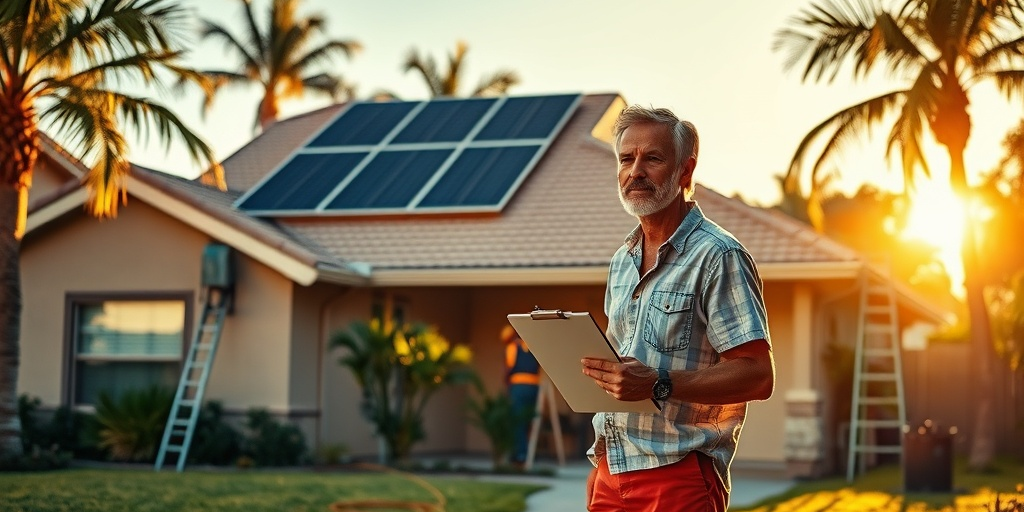
Are you aware that installing solar panels can significantly cut your electric bills? In fact, a recent report showed that homeowners could save up to 70% on energy costs by going solar (SEIA.org). However, as enticing as these savings sound, there are intrinsic risks linked to solar panel installation that you can’t afford to ignore. Welcome to our blog post titled Warning: Don’t Ignore These Solar Panel Installation Risks. In this comprehensive guide, we’ll address the vital considerations that can impact your energy savings, ensuring you avoid potential pitfalls. In the rapidly changing landscape of 2025, marked by rising energy costs and new solar incentives, understanding these risks is more crucial than ever.
Furthermore, according to SolarReviews.com, about 82% of Florida homeowners are considering solar energy in 2025. This keen interest reflects an urgency for accurate information about installations and the risks involved. Failure to address these issues can lead not only to wasted resources but also to diminished long-term savings. In this article, we will cover five critical sections:
- The Hidden Dangers of Solar Panel Installation
- Essential Checklist for Safe and Efficient Installation
- Common Myths Debunked about Solar Power
- Florida-Specific Solar Insights
- Technical Deep-Dive into Installation Processes
So let’s dive deeper into why understanding these solar panel installation risks can help you fully leverage your solar investment.
The Hidden Dangers of Solar Panel Installation
When Bobby and Jane from Sarasota decided to go solar, they thought they were making a sound financial investment. After speaking with a few contractors, they settled on a budget and selected a contractor who offered them the lowest price. Unfortunately, they skipped crucial steps in their decision-making process, resulting in significant headaches down the line. This case study exemplifies the very real risks associated with solar panel installations. From inadequate installation to poor quality equipment, there are many hidden dangers to be aware of.
To help you sidestep these challenges, here’s a quick checklist:
- Research Reputable Contractors: Always check for licenses, certifications, and reviews to ensure you are working with a trustworthy provider.
- Understand Your Roof’s Condition: Assess if your roof can support the solar panels before installation. A weak roof may need repairs, adding unexpected costs.
- Review Warranty Policies: Ensure that warranties cover parts, labor, and future service needs.
- Know the Solar Products: Ask questions about the brand and type of solar panels being used, as quality can vary greatly.
- Examine Financial Options: Explore financing options thoroughly. Less-known financial incentives can help alleviate initial costs.
Now, you may be thinking, “But won’t my savings be worth the effort?” Here’s where common myths come into play. Many homeowners believe that all solar technology is the same or that going to the cheapest contractor will save them money. These are misconceptions that can jeopardize installation quality, which in turn affects your long-term savings.
- According to the Energy Information Administration, approximately 24% of the energy in Florida comes from renewable resources, indicating a promising shift toward solar power for the state.
- The U.S. solar market is predicted to grow at a compound annual growth rate of over 20% through 2025 (Energy.gov), signifying extensive potential for homeowners willing to dive in responsibly.
Understanding these real risks is essential for Florida homeowners. If Bobby and Jane had done their homework, they wouldn’t have encountered installation flaws and escalating repair costs. Instead of seeing substantial energy savings, their installation debacle became a costly saga. In the next section, let’s clarify the unnecessary complexities and provide an essential checklist for safe and efficient installation.
Essential Checklist for Safe and Efficient Installation
To ensure your solar experience is smooth, it is vital to have a well-structured checklist. Here are the most crucial steps to follow:
- Step 1: Audit Your Electric Bill: Examine your previous electricity bills to understand your consumption. By analyzing your usage, you can design a solar installation that genuinely meets your energy needs.
- Step 2: Explore Financing Options: Solar installations are a significant financial investment. Be well-versed in available financing choices, including tax incentives, rebates, and loans. For instance, a tax credit can reduce your federal taxes by 26% off the cost of your installation in 2025 (DSIREUSA.org).
- Step 3: Choose Quality Components: Invest in high-quality solar panels, inverters, and batteries. Quality hardware translates to better efficiency and reliability in the long run.
- Step 4: Secure Necessary Permits: Solar installations often require local building permits. Work through your contractor to ensure that every requirement is promptly met to avoid future penalties.
- Step 5: Schedule Regular Maintenance: Once your system is installed, set up an ongoing maintenance plan to ensure its optimal performance.
By diligently going through these steps, you minimize risks while maximizing your solar investment’s value. It can mark the difference between merely having solar panels and reaping the full financial benefit. And these steps are particularly suitable for Florida homeowners like yourself, who are looking to harness solar energy in this sunny state.
To learn more about these essential steps for solar installations, you can visit floridaelectricandsolar.com. In the subsequent section, we will debunk some prevalent myths surrounding solar power that could hinder your decision-making process.
Common Myths Debunked about Solar Power
When it comes to solar energy, misinformation often leads to confusion and skepticism. Are you, too, caught up in some common myths? Let’s break them down one by one:
- Myth #1: All Solar Panels are Created Equal: This is false. Some solar panels are more efficient or durable than others. Investing in high-quality components will yield significant long-term savings.
- Myth #2: Solar Power Isn’t Worth It in Florida: On the contrary, Florida ranks as one of the states with the highest solar potentials due to abundant sunshine. You can significantly reduce your energy costs (NREL.gov).
- Myth #3: Installation is Too Complicated: While installations do have technical aspects, hiring reputable and experienced contractors can streamline the process, minimizing complexities.
- Myth #4: Solar Panels Damage Your Roof: When correctly installed, solar panels actually protect your roof, adding an extra layer that acts as a shield against weather elements.
- Myth #5: It Takes Too Long to Recoup Solar Costs: With recent advances and incentives, many homeowners find that they recoup their costs sooner than expected, ultimately increasing properties’ resale values.
The only way to truly understand solar energy’s value is to analyze it with an informed perspective. Debunking these myths empowers Florida homeowners to make financially sound decisions about solar power, potentially leading to substantial savings down the line. Next, we will explore Florida-specific solar insights that can help you leverage your investment to the fullest.
Florida-Specific Solar Insights
Understanding Florida’s unique landscape can significantly impact your solar investment. The combination of sunshine and innovative policies creates an excellent environment for homeowners, so don’t overlook the following insights:
- Net Metering: Florida offers net metering, allowing homeowners to receive credits for the excess energy their systems produce. This significantly enhances the financial benefits of going solar.
- Tax Incentives: Florida homeowners are eligible for both federal and state tax incentives. The federal solar investment tax credit is set to gradually decrease annually, making now the best time to invest in solar (floridaelectricandsolar.com).
- Local Solar Providers: Numerous reputable solar providers operate in Florida, offering unique benefits according to the regions they serve. Look for those with solid customer reviews and extensive experience.
Staying informed about these insights empowers Florida homeowners to embrace solar energy, leading to effective outcomes in their financial planning. Realizing concrete benefits from solar energy can drastically alter your utility billing experience and contribute to a more sustainable environment.
In the last section, we will perform a technical deep-dive into the processes and technologies involved in solar installation, targeting a comprehensive understanding of how to navigate these waters as a consumer effectively.
Technical Deep-Dive into Installation Processes
Solar panel installation might seem daunting, but understanding the technicalities can make you a more empowered consumer. Here’s a clear look at the main aspects of your solar installation process:
- Site Assessment: Contractors typically carry out a detailed assessment of your property to evaluate solar viability, assessing roof angles, shading, and local regulations.
- Choosing Technology: Technologies can vary, including solar photovoltaic systems, solar thermal systems, and battery storage options. Each has distinct advantages suited to different needs.
- Installation Mechanics: Understand that solar panels need to be mounted securely, with considerations for wiring, inverters, and permits. Skilled installers will address all these factors.
- Post-Installation Review: After setup, an essential review process ensures all systems are working optimally, which helps identify any issues you may not immediately detect.
By comprehending these technical elements, you not only prepare yourself but also help hold your contractors accountable for a quality installation. The clarity of processes further emboldens you to make informed decisions and maximize your investment.
We have now addressed the hidden dangers, provided an essential checklist, debunked myths, explored Florida-specific insights, and delved into the technical aspects of solar installations. As we conclude, let’s recap the journey to help you solidify the critical takeaways as you consider making a switch to solar energy.
Next Steps for Florida Solar Buyers in 2025
As we wrap up, here’s a critical checklist to ensure you are ready to make an informed decision about going solar:
- Step 1: Research thoroughly by understanding different equipment types and installation processes.
- Step 2: Navigate financial incentives that are available to make the solar transition smoother.
- Step 3: Select reputable contractors that align with your needs and preferences.
- Step 4: Organize necessary permits to avoid future hassles, working directly with your chosen contractor.
- Step 5: Create an ongoing maintenance plan to ensure your solar system remains efficient over the years.
Embracing solar energy has never been more critical, particularly as we approach 2025. By taking these steps, you not only mitigate risks but could stand to gain substantially in energy savings while contributing positively to the environment.
Ready to start your solar journey in 2025? Connect with a certified expert at floridaelectricandsolar.com today. Making a responsible choice today not only secures your energy future but also plays an integral role in contributing to Florida’s sustainable energy landscape. Don’t let the dangers deter you; instead, let them guide you to making informed decisions for economical and environmental benefits. Your journey begins now!
Related Articles
More insights about Solar Panel

Florida Homeowners: Why Solar Panel Maintenance Is Essential

7 Essential Steps for Solar Panel Installation Success

Expert Insights: Key Factors Influencing Solar Panel Lifespan
Ready to Go Solar?
Have questions about solar energy? Our experts are here to help you make the switch to clean, renewable energy.