
Warning: Don’t Ignore These Solar Scams to Avoid
Share:
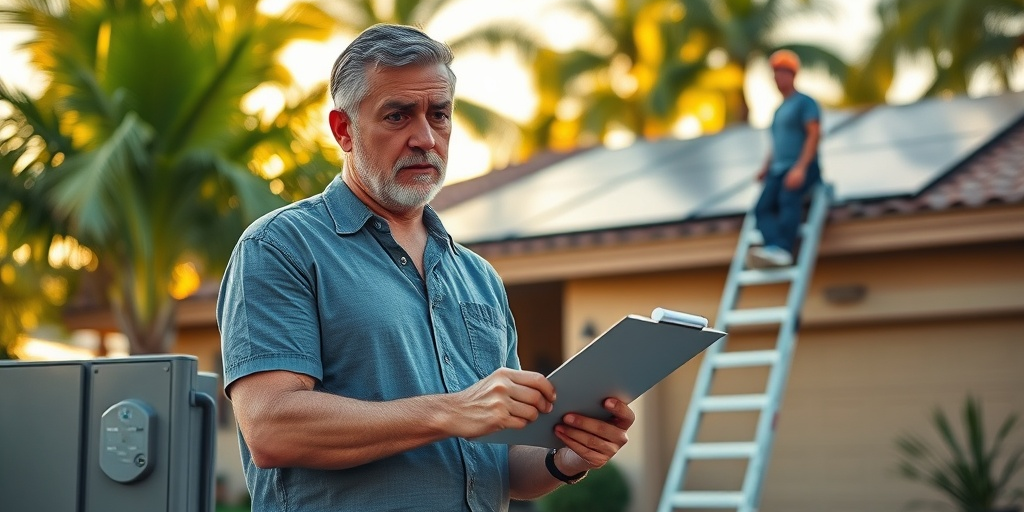
As the sun rises over the charming landscapes of Florida, its golden rays illuminate a burgeoning industry that promises to reshape how we consume energy. With the solar market projected to explode in revenue, reaching $3 billion by 2025, homeowners are looking to seize the moment by investing in solar technology. However, as demand grows, so do the risks. Yes, this is a warning—”Warning: Don’t Ignore These Solar Scams to Avoid.” As solar technology advances and electrification increases, understanding potential pitfalls is crucial to maximize savings through installation. Did you know that Florida ranks second in the U.S. for solar capacity and is home to over 1.3 million solar installations (SEIA.org)? This makes it vital for residents to navigate the solar landscape cautiously. With incentives, credits, and potentially rising energy rates, failing to educate yourself may lead to costly mistakes. This post will unpack five significant sections where we’ll explore real scams, actionable steps to safeguard your investment, local myths that need busting, best practices unique to Florida, and a comprehensive action plan tailored for 2025.
Have You Been Caught in a Solar Scam? Here’s How to Avoid It
Consider a homeowner in Tampa, Laura, who was eager to cut down her escalating electric bills. Excited by an aggressive marketing campaign promising a full solar system installation at no upfront cost, she swiftly signed a contract. Although it seemed like a steal, Laura’s enthusiasm waned when she discovered hidden fees, subpar equipment, and a complicated financing structure that led to an inflated electric bill rather than savings. This is a grim reality for many, but it doesn’t have to be yours. Here are actionable steps to avoid falling victim to solar scams:
- Research Solar Companies: Check for transparency in reviews and ratings. Trustworthy companies should readily provide references.
- Ask Questions: Don’t hesitate to inquire about installation techniques, warranties, and financing terms to clarify your understanding.
- Get Multiple Quotes: Comparing estimates will help you gauge a fair market price.
- Understand Incentives and Rebates: Familiarize yourself with state and federal solar incentives that may affect the overall cost.
- Read Contracts Thoroughly: Contracts should be clear, without hidden fees. Consult with an expert if you’re unsure what something means.
Additionally, several myths circulate in Florida regarding solar energy. For instance, many believe that solar panels do not work in cloudy weather. A recent study showed that Florida is one of the sunniest states, yielding ample energy even with limited sunlight. Understanding these beliefs and incorporating scientific data will prevent misconceptions (SolarReviews.com). When it comes to costs, the reality is that going solar provides long-term savings. Depending on your system and usage, homeowners can often save 30% or more on their electric bills (Energy.gov).
Next, let’s dive into the common myths surrounding solar that may derail your investment in renewable energy.
Solar Myths: Busting Common Misconceptions
Believe it or not, many misconceptions around solar technology persist, which could lead prospective buyers like you—to neglect valuable opportunities. Here, we tackle these myths head-on:
- Myth #1: Solar Panels Only Work in Sunny Weather
While it’s true that solar panels are most efficient in direct sunlight, they can still generate substantial electricity on cloudy days. Research indicates that solar panels can produce 10-20% of their total output in overcast conditions (NREL.gov). - Myth #2: Solar is Too Expensive
While the upfront cost of solar can be daunting, tax credits and financing options significantly reduce the initial investment. In fact, solar panels can increase your home’s value by up to $15,000 based on market research. - Myth #3: I Need to Roof My Whole House with Panels
Many believe all roofs must be fitted with solar panels. However, you can start with a smaller installation and expand as your energy needs grow. A strategic approach allows you to maximize investment without overwhelming costs right away. - Myth #4: Solar Panels Require Constant Maintenance
In reality, solar systems are designed to be low maintenance! Once installed, they typically need a simple clean occasionally and a professional assessment every few years. - Myth #5: Solar Batteries are Not Worth the Investment
While upfront costs may be high, battery systems can provide backup power during outages and can maximize savings by storing your solar energy for later use. Many Florida homeowners find this capability invaluable during hurricane season.
To further illustrate these points, let’s examine real-world cases of solar installations in different communities across Florida. This will not only counter myths but also highlight how families just like yours have successfully transitioned to solar.
Florida Solar Success Stories: Real Families, Real Savings
Take the case of the Rodriguez family in Orlando, who faced a challenging financial landscape. Struggling with rising electricity prices, they turned to solar to stabilize their expenses. Initially wary of the costs, they opted for a company with a stellar reputation. Together, they navigated through the process and installed a well-optimized solar system. Here are the key aspects of their journey that you can learn from:
- **Consultation**: They had a free consultation with a trusted provider who outlined potential savings and rebates available through programs like the Federal Investment Tax Credit.
- **Installation Choices**: Choosing high-efficiency panels ensured they maximized energy production, critical in Florida’s hot climate.
- **Smart Financing**: They selected a financing option that allowed them to pay less upfront—with long-term savings over 20 years expected to exceed $50,000 (DSIREUSA.org).
- **Informed Decision**: The Rodriguez family thoroughly vetted their installer, asking for proof of licenses, certifications, and customer testimonials.
- **Community Engagement**: They shared their success with neighbors, further spreading awareness on the benefits of solar.
Moreover, as the solar landscape continues to evolve in Florida, these family stories serve as a testament to realistic expectations and achievable outcomes. As energy costs rise and climate changes, the necessity for solar power remains ever critical. Now, let’s transition to practical tips that ensure your installation is handled with expertise.
5 Expert Solar Installation Tips for 2025
Preparing for solar installation means ensuring everything’s done right the first time. If you want the most value and longevity from your new system, keep these expert tips in mind:
- Consult a Reputable Installer: Avoid the impulse buys! Research your installer extensively. Check for licenses and certifications, especially considering Florida’s unique energy regulations.
- Optimize Panel Placement: Panels should be oriented for maximum sun exposure. Consult with professionals to ensure optimal placement, and don’t skimp—the positioning significantly impacts efficiency.
- Understand System Size: The right size means broadening your budget plans; avoid small systems that don’t meet your needs or oversized systems that inflate costs unnecessarily. You can calculate your needs using tools offered by various solar calculators!
- Be Aware of Incentives: Documented savings through available tax rebates or credits can provide substantial benefits to Florida homeowners. Consult floridaelectricandsolar.com to understand what applies to your situation.
- Review Maintenance Plans: Establish a proactive interaction with your installer concerning the system’s upkeep. It will not only help you enjoy the benefits continuously but will also ensure you remain in touch with warranty guidelines.
As we catch our breath from this wealth of knowledge, let’s investigate further industry data that showcases the shifting landscape of solar energy in Florida.
The Florida Solar Landscape: What’s Next?
The strong demand for solar energy, paired with rising electric bills, has painted a favorable disposition towards solar for Florida homeowners. Recent data suggests that by 2025, it’s projected that about 20% of households in Florida will leverage solar energy (NREL.gov). This raises the stakes for you as a potential solar buyer. Here’s a deeper dive:
- Rising Energy Costs: Electricity rates are expected to climb by an average of 5% annually. Transitioning to solar can insulate homeowners from this inevitable burden.
- Government Incentives: The Federal Solar Investment Tax Credit will decrease, meaning immediate action is crucial for maximum savings. Proposed legislation aims to boost state solar programs, so stay updated on these developments.
- Advancement in Technology: Battery storage is becoming more robust and affordable. Integrating a reliable storage solution means you will not depend entirely on the grid during the night or emergencies.
- Community Initiatives: Local government programs promoting solar co-ops offer neighborhood purchasing power to drive down costs for families across Florida (SolarReviews.com).
As electrification continues to expand and innovation in technology reaches new heights, the potential for energy independence grows equally. Exciting times lie ahead as policymakers support sustainable initiatives. Now, equip yourself with a solid action plan for solar installation in Florida.
Next Steps for Florida Solar Buyers in 2025
Ready to make a change? Here’s a concise checklist to help you navigate the decision-making process efficiently and reduce friction:
- Step 1: Audit Your Electric Bill
Look at your current bill to understand your usage patterns and prepare for a solar system that meets your specific requirements. - Step 2: Research State Incentives
Explore available tax credits and rebates. Understanding your state’s evolving policies on solar energy is essential. Information can be conveniently found at floridaelectricandsolar.com. - Step 3: Choose the Right Installer
Shortlist at least three reputable companies and get a quote. Consider recommendations, reviews, and personal referrals. - Step 4: Understand Contract Terms
Before signing, ensure all costs, warranties, and service commitments are clear. An optimal duration is also critical; evaluate financing plans well. - Step 5: Monitor Your System
Once installed, keep track continuously to ensure performance aligns with expectations. Use online tools or apps to gauge your savings and efficiency.
In conclusion, knowledge is your best ally as you embark on your solar journey. Investing in solar energy isn’t just about reducing your electric bill; it is also about securing a sustainable future for your family, your community, and the environment. The empowered choice you make now will reverberate for generations. Remember, urgencies like rising energy costs and government incentives are here, so act decisively!
Ready to start your solar journey in 2025? Connect with a certified expert at floridaelectricandsolar.com today.
Related Articles
More insights about Solar Scams

Warning: Don’t Overlook These Solar Scams to Avoid

Don’t Miss This Critical Alert About Solar Scams

Don’t Ignore These Critical Solar Scams to Avoid
Ready to Go Solar?
Have questions about solar energy? Our experts are here to help you make the switch to clean, renewable energy.