
Warning: Ignoring Solar Panel Installation Risks Could Cost You Big
Share:
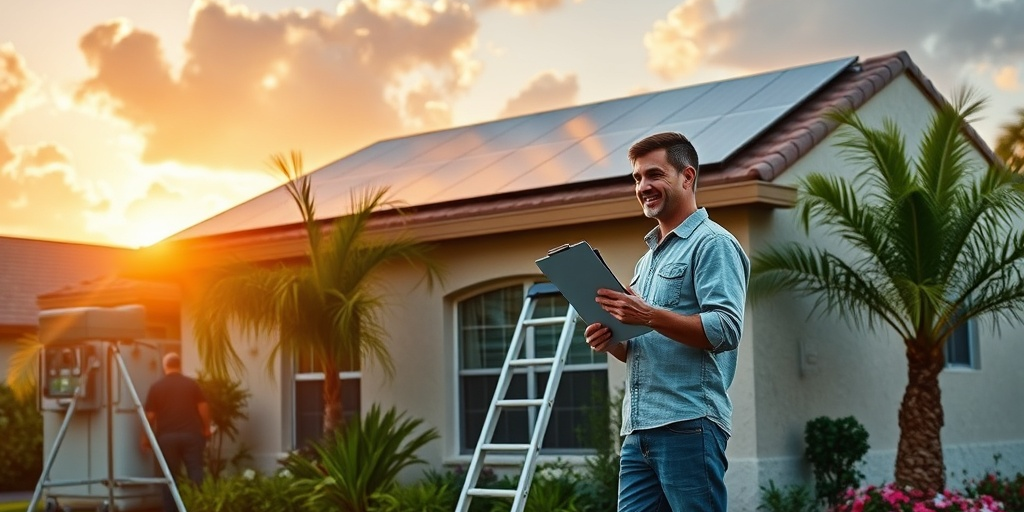
In the vibrant sunshine state of Florida, solar energy is not merely an option; it is a necessity as the world braces for escalating energy costs and unpredictable weather patterns. Did you know that by 2025, Florida is projected to lead the nation in solar installations, accounting for nearly 20% of the total solar capacity in the U.S.? Yet, as the market grows, so do the risks associated with solar panel installation. In fact, studies reveal that improper installations can lead to over 30% of system inefficiencies, ultimately costing homeowners significantly in lost energy savings (SolarReviews.com). This is our gateway to today’s urgent exploration: Warning: Ignoring Solar Panel Installation Risks Could Cost You Big.
As we move through 2025, understanding and mitigating these risks is more critical than ever. New solar incentives, rising energy demands, and grid instability create a complex landscape for homeowners and business owners alike. If you rush into solar without the proper information, not only could you lose money, but you could also jeopardize the health of your home and family. In this article, we will dive into the lifecycle of solar panel installation risks and how to handle them effectively. Here, we’ll cover:
- The emotional and financial stakes of solar panel installation through a real-life case study.
- A thorough checklist of actionable steps to ensure safe and efficient installation.
- Common myths about solar energy that could mislead Florida homeowners.
- Local stats and policies that impact your solar decision-making.
- Technical insights on solar technology and installation practices crucial for Florida’s unique environment.
The journey begins now—let’s empower ourselves to make informed solar choices that benefit our homes and budgets, now and well into the future.
Understanding the Stakes: A Case Study of Solar Panel Installation Risks
Meet Juanita, a Florida homeowner who decided to invest in solar energy for her family in 2025. Excited about the prospect of lowering her utility bill and making a positive environmental impact, she promptly contacted the first solar company she found online. The sales pitch was compelling, and without conducting a thorough review, she signed a contract and scheduled an installation date. What happened next?
Her installers arrived on a sweltering July afternoon, wrestling a truckload of solar panels onto her roof. Unfortunately, the installation team lacked proper training and left her system poorly configured. Within months, Juanita discovered that her solar panels were producing only 65% of the expected energy output. Frustration turned to panic as her electric bills remained high, and she felt trapped in a contract she had rushed into. This situation embodies the risks associated with solar panel installation. Without thorough assessment, property owners like Juanita can find themselves out of pocket, with diminished energy savings and reduced return on investment.
Here’s a quick checklist that Florida homeowners should consider to avoid pitfalls like Juanita’s:
- Research multiple solar providers. Investigate company backgrounds, asking for reviews and certifications.
- Verify installer qualifications. Ensure that those working on your system are certified by reputable organizations.
- Insist on a comprehensive site assessment. Only allow installations after a complete evaluation of your property’s energy needs.
- Understand the contract thoroughly. Scrutinize terms to identify potential hidden costs or misleading clauses.
- Schedule regular maintenance checks. Ensure ongoing performance monitoring once your system is live.
Now, let’s address some myths that cloud the understanding of solar energy, particularly here in Florida.
Myth-Busters: Addressing Common Misconceptions
Myth #1: Solar panels are too expensive.
Many believe that solar installation costs are initially steep. However, Federal incentives and Florida state rebates significantly reduce upfront costs (SEIA.org).
Myth #2: Solar energy doesn’t work on cloudy days.
Solar panels can still generate electricity with indirect sunlight. Even in the Florida cloudy season, you’re not completely cut off from solar power.
Myth #3: Solar power will damage your roof.
When properly installed, solar panels can actually enhance your roof’s durability by providing a layer of protection against the elements.
Myth #4: Once the installation is done, nothing else is needed.
No solar system is set-and-forget! Regular maintenance is essential to ensure efficiency and longevity.
Myth #5: Going solar is an environmentally neutral choice.
The array of benefits to Florida families is backed by data—solar energy significantly reduces carbon footprints, helping to combat climate change.
Armed with knowledge, let’s turn our sights to the local focus next, where we discuss policies and practices specifically tailored for Florida homeowners.
Florida-Focused Insights: Understanding Local Policies
Florida boasts some of the most favorable solar policies in the United States. However, understanding how to navigate these regulations can mean the difference between a successful or flawed installation. First, the state has set a target of achieving a total of 40% solar energy by 2030. The Renewable Portfolio Standard (RPS) makes incentives more accessible to homeowners (Florida Power & Light).
Additionally, there are numerous programs designed to assist Florida residents in going solar:
- Solar Property Tax Exemption: Florida law allows homeowners to exempt the added value of solar energy systems from property tax.
- Federal Solar Tax Credit: Homeowners can deduct 30% of solar installation costs from their federal taxes, enhancing affordability.
- Net Metering: You can credit your utility for excess production, which means you can save more during peak usage.
While these policies are incredibly beneficial, homeowners must also stay informed about potential changes that could arise in the coming years. Engaging with reputable solar companies such as floridaelectricandsolar.com can help navigate this landscape and seize available opportunities.
Technical Deep-Dive: What You Need to Know
Now, let’s immerse ourselves in the technical aspects of solar panel systems and installations. Understanding these elements can be crucial to maximizing the efficiency and lifespan of your energy systems.
1. Performance Monitoring: After installation, homeowners should invest in performance monitoring tools that can track energy output in real time, alerting them to any declines in performance.
2. Panel Types: There are several types of solar panels available, including monocrystalline, polycrystalline, and thin-film. Monocrystalline panels offer the highest efficiency and durability but typically at a higher cost (Energy.gov).
3. Inverter Technology: Choose between string inverters, microinverters, or power optimizers. Microinverters provide better performance, especially in shaded areas, while string inverters remain a budget-friendly option.
4. Battery Storage: With rising concerns over grid instability, integrating battery storage adds reliability by storing excess energy for later use during outages (NREL.gov).
5. Installation Techniques: Quality installation techniques include proper sealing of roof penetrations and using corrosion-resistant materials to withstand Florida’s extreme weather.
Understanding these technical elements not only empowers you to make informed choices but also promotes long-term energy savings. As we approach the final steps of our discussion, let’s outline actionable steps for aspiring solar buyers in Florida.
Next Steps for Florida Solar Buyers in 2025
For many homeowners, the prospect of going solar can feel daunting. However, by taking the following bold steps, homeowners can streamline the process while ensuring their investments are safe and effective:
- Step 1: Audit Your Electric Bill: Review your last 12 months of electric bills to evaluate your energy consumption.
- Step 2: Gather Quotes: Contact several solar companies to understand pricing models, allowing you to compare and contrast offers.
- Step 3: Verify Company Credentials: Research installation companies thoroughly to check certifications and customer reviews.
- Step 4: Schedule an Assessment: Arrange for a site assessment with your chosen company so they can properly recommend solar solutions tailored to your needs.
- Step 5: Understand Your Contract: Before signing, read through the contract thoroughly to ensure you understand your rights and responsibilities.
With these steps, you maximize your opportunity to go solar effectively and securely. For further details and to consult with a trusted expert, visit floridaelectricandsolar.com.
Conclusion: Your Solar Journey Awaits
In conclusion, the landscape of solar energy in Florida offers wealth and opportunity, but it also brings unique challenges. The importance of understanding the risks associated with solar panel installation cannot be overstated. Homeowners must navigate a landscape filled with potential pitfalls and misleading information that can jeopardize their investments and energy budgets.
As Juanita’s story illustrates, ignoring solar panel installation risks could ultimately cost you big. By embracing education and utilizing resources available to you, you can transform the fear of the unknown into an empowering journey toward energy independence. Remember, solar energy is not just a smart financial investment—it is a profound commitment to ensuring a sustainable and thriving future for your family and community.
Ready to start your solar journey in 2025? Connect with a certified expert at floridaelectricandsolar.com today.
Related Articles
More insights about Solar Panel

Florida Homeowners: Why Solar Panel Maintenance Is Essential

7 Essential Steps for Solar Panel Installation Success

Expert Insights: Key Factors Influencing Solar Panel Lifespan
Ready to Go Solar?
Have questions about solar energy? Our experts are here to help you make the switch to clean, renewable energy.