
Warning: Ignoring Solar Panel Lifespan Could Lead to Costly Mistakes
Share:
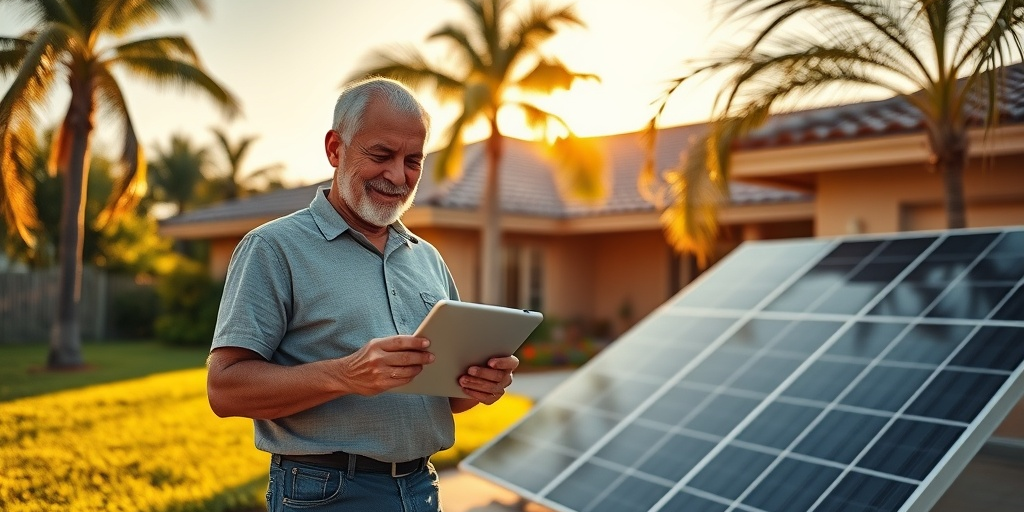
Have you ever considered the actual lifespan of your solar panels? You might be surprised to learn that, on average, solar panels last 25 to 30 years, but that’s only part of the story. Many Florida homeowners are making regrettable mistakes because they overlook crucial factors that impact the longevity and performance of their solar investments. In fact, ignoring solar panel lifespan could lead to costly mistakes, a truth that begs serious attention as we approach 2025. According to the Solar Energy Industries Association (SEIA), solar installations are expected to reach record highs in the coming years, yet many homeowners remain uninformed about essential maintenance and performance practices. Furthermore, reports indicate that approximately 1 in 3 homeowners are unaware of the warranties associated with their solar systems (SolarReviews.com). Armed with the right information, you can safeguard your energy investment and harness the full potential of solar power while also securing your finances for the future.
The urgency of understanding the nuances of solar technology has never been more critical. As energy costs continue to climb, more and more Floridians are looking to solar to cut electric bills and maximize savings. New incentives and rebates are being rolled out, making it easier than ever to invest in solar energy, but with these opportunities come responsibilities. Proper maintenance and monitoring can place you ahead of the curve, ensuring that your system operates efficiently for decades. In this blog post, titled Warning: Ignoring Solar Panel Lifespan Could Lead to Costly Mistakes, we will dive deep into how to protect your investment. Here’s what we’ll cover:
- Understanding the importance of lifespan and efficiency for solar panels
- Actionable steps to maximize the life of your solar system
- Debunking common myths surrounding solar panel longevity
- Utilizing Florida-specific insights to make informed decisions
- Creating an actionable plan for your solar investment
Let’s embark on this educational journey to reinforce your decision to go solar and help you fully understand the critical aspects of your energy investment.
Understanding the Importance of Lifespan and Efficiency for Solar Panels
Let’s start with a compelling case study: Meet the Johnson family, proud homeowners in Orlando, Florida. In 2020, they made the decision to install solar panels on their roof, excited about cutting their electric bills and contributing to a greener planet. They enthusiastically arranged the installation, but two years later, they realized that certain key maintenance tasks had been overlooked. As the years passed, they began to notice declines in energy production. Eventually, they discovered their system was operating at only 70% efficiency. After digging deeper, they learned about important maintenance practices they had neglected, leading to costly repairs. Their story serves as a powerful reminder that merely installing solar panels isn’t enough; understanding their efficiency and implementing proper care is essential.
To avoid making the Johnson’s mistakes, here’s a checklist of actionable steps:
- Conduct Regular Inspections — Aim for at least biannual checks to assess your panels for debris or damage.
- Understand Your Warranty — Be aware of the warranty specifics, including what is covered and the duration. This can influence maintenance and repair decisions.
- Monitor Performance — Use a solar monitoring system to track your energy generation and identify drops in efficiency.
- Clean Your Panels — Scheduled cleaning can prevent accumulation that obstructs sunlight, ensuring maximum efficiency.
- Work with a Qualified Installer — Engaging professional installation ensures optimal placement and compliance with local regulations.
Now that we’ve introduced the critical steps in maintaining solar panels, let’s tackle some common myths surrounding their lifespan and durability.
Myth-Buster: Debunking Common Misconceptions About Solar Panel Lifespan
There are several pervasive myths that could mislead potential solar users into making uninformed decisions. It’s time to debunk them!
- Myth #1: Solar Panels Are Indestructible — While solar panels are built to withstand harsh weather conditions, they can still incur damage from extreme weather events. Regular assessments can help spot underlying damage early, preventing further issues.
- Myth #2: All Panels Have the Same Lifespan — Not all panels are created equal. Higher efficiency models can generally last longer and perform better over time. Be sure to research different brands before purchasing.
- Myth #3: Once Installed, They Don’t Need Maintenance — Maintenance is crucial for ensuring efficiency. As highlighted earlier, regular cleaning and inspections can make significant differences in performance.
- Myth #4: If Performance Drops, It’s Too Late — Many warranties cover issues regarding performance drop. Take action when you notice anything unusual to potentially avoid costly repairs.
- Myth #5: Upgrading Is Not Necessary — Technology is ever-evolving, and newer systems often offer improved efficiency and longer lifespans. It’s worth exploring upgrade options as technology advances.
With these myths debunked, let’s turn our focus to Florida-specific data that can help you maximize your solar investment.
Utilizing Florida-Specific Insights to Make Informed Decisions
Homeowners in Florida have unique advantages—or challenges—when considering solar energy. One of the standout statistics is that Florida ranks 3rd in the nation for solar installations, providing ample educational resources for homeowners (SEIA.org). However, with approximately 300 sunny days a year, maximizing solar energy production should be a top priority.
Here are five insights that can significantly influence your choice:
- Incentives Could Offset Costs: The state offers various tax incentives and rebates for solar installation, which can minimize initial costs and pay off significantly over time.
- Local Utility Policies: Familiarize yourself with specific Net Metering policies as they can affect how much you’ll save on your utility bills.
- Climate Considerations: Florida’s humid climate poses a challenge. Using high-efficiency panels can help mitigate the impact of humidity on energy production.
- Potential for Hurricane Damage: Ensure your installers use wind-rated equipment, which meets state codes and can withstand severe weather conditions.
- Local Expertise: Partnering with experienced solar contractors in Florida allows you to gain insights tailored to the local landscape and regulations.
Leveraging these insights gives Florida homeowners a competitive edge in the solar market. Next, let’s delve into some best practices that can further ensure you maximize your solar installation.
5 Expert Solar Installation Tips for 2025
As you prepare to make the most of your solar investment in 2025, these expert tips can guide you toward an efficient and long-lasting solar panel installation.
- Don’t Skimp on Panel Placement: The position of your solar panels can drastically affect their performance. Ensuring that they receive unobstructed sunlight can enhance energy generation.
- Prioritize Quality over Cost: While it may be tempting to save on initial costs, investing in quality panels with good warranties can ensure a better long-term investment.
- Stay Updated on Solar Technology: Keep abreast of advancements in technology and grid-tying solutions, which can improve efficiency and reduce operational costs.
- Utilize Solar Monitoring Tools: Make use of existing technology designed to monitor solar panel performance and production, providing you with real-time insights.
- Engage with a Qualified Installer: Do your research and select a reputable contractor familiar with Florida regulations. This will lead to a smoother installation process.
Incorporating these practices into your solar journey sets a firm foundation for a successful solar experience. Now, let’s explore a narrative approach to highlight the importance of understanding solar technology more thoroughly.
A Journey Through Florida’s Solar Landscape
Imagine a fictional yet realistic resident of Florida named Lisa. A single mother of two, she decided to invest in solar power in 2023, attracted by the promise of lower utility bills. However, feeling overwhelmed and unsure, she settled for the first company that provided a quote. After a subpar installation, her panels began to underperform significantly by 2025. Determined to find a solution, she reached out to Florida Electric & Solar.
The journey to rectify her installation turned out to be complex, but it opened her eyes to the enormous potential and pitfalls associated with solar technology. Here, let’s break down key elements she learned on her journey:
- Understand the importance of installation quality.
- Stay informed about technology advancements and efficiencies.
- Take time to learn about your specific panel options and their benefits.
- Be proactive about maintenance and regular monitoring.
Lisa’s experience serves to underline the critical perspective of knowing what you’re investing in and how to protect that investment over time. Finally, as we approach the conclusion, let’s outline the actionable steps Florida homeowners should take in 2025 to ensure they get the most out of their solar systems.
Next Steps for Florida Solar Buyers in 2025
Taking that next step toward a solar future can feel daunting, but fear not! Here’s a simplified action plan to guide you through the process:
- Step 1: Audit Your Electric Bill — Review your utility bills from the past year to gauge your energy consumption patterns. Understanding your needs will help you choose the right system.
- Step 2: Speak with an Expert — Consult with a trusted solar partner who can help you navigate the options available to you, tailoring suggestions to your unique circumstances.
- Step 3: Invest in Quality Equipment — Select panels that come with a robust warranty and are designed for durability and performance.
- Step 4: Plan for Future Maintenance — Schedule routine checks and cleaning sessions as part of your solar upkeep plan.
- Step 5: Dive into Local Incentives — Research available rebates and incentives that may ease the financial burden and ultimately benefit your solar investment.
By following these steps, you can significantly reduce friction and promptly secure a brighter solar future. Visit floridaelectricandsolar.com for further assistance and resources.
In conclusion, understanding your solar panel lifespan isn’t just about avoiding mistakes—it’s about making empowering decisions for your home and finances. Recognizing the technology you invest in and committing to proactive maintenance is crucial for maximizing your savings and ensuring long-term performance. In 2025, as more Floridians embrace solar energy, don’t let misconceptions, lack of awareness, or poor installation stand in your way. Be informed, be proactive, and you will reap the benefits of your clean energy investment for years to come.
Ready to start your solar journey in 2025? Connect with a certified expert at floridaelectricandsolar.com today.
Related Articles
More insights about Solar Panel

Florida Homeowners: Why Solar Panel Maintenance Is Essential

7 Essential Steps for Solar Panel Installation Success

Expert Insights: Key Factors Influencing Solar Panel Lifespan
Ready to Go Solar?
Have questions about solar energy? Our experts are here to help you make the switch to clean, renewable energy.