
Warning: Ignoring Solar Scams to Avoid Could Cost You Dearly
Share:
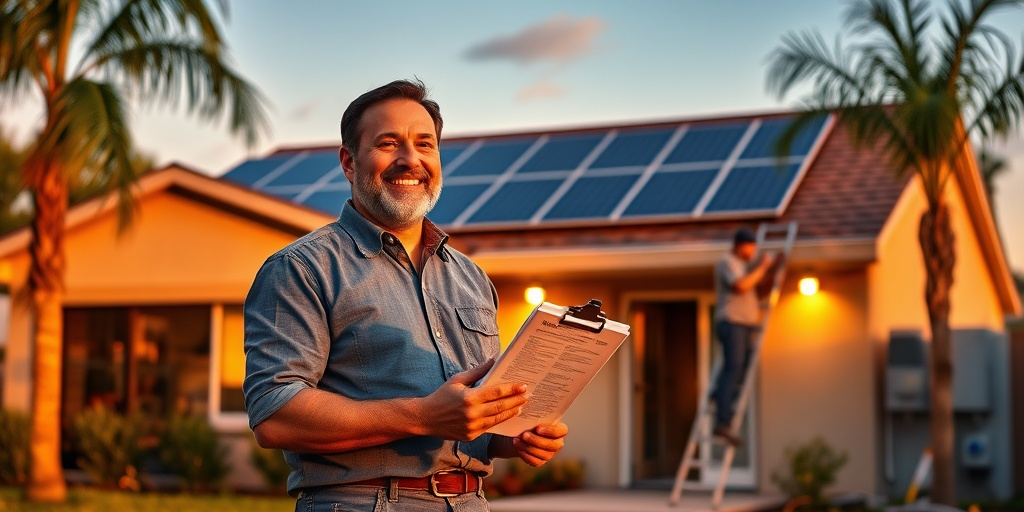
In the rapidly evolving landscape of solar energy, alarming figures indicate that over 25% of consumers experience some form of solar scam, often costing them not just money but their peace of mind as well (SEIA.org). As the solar market burgeons, Florida homeowners must remain vigilant against these threats. That’s why we bring you this critical article titled, Warning: Ignoring Solar Scams to Avoid Could Cost You Dearly. In the heart of 2025, as Florida pushes forward with new incentives and incentives tied to climate legislation, discerning the genuine from the fraudulent in solar offerings is essential. With energy costs spiraling—up to a projected 30% increase in some areas (Energy.gov)—now is the time to act. This guide will navigate you through distinguishing scams from legitimate solar investments and protecting your hard-earned money. We will dive into: 1) A real case study highlighting the dangers of scams, 2) an actionable checklist to safeguard against fraud, 3) myth-busting common misconceptions, 4) a local focus on Florida-specific scams and safety measures, and 5) a technical deep dive into the complexities of solar installations.
Protecting Your Solar Investment: Lessons from the Trenches
Imagine, for a moment, the dream of reducing your electricity bill to zero while doing your part for the planet. For many Florida homeowners, this dream turned nightmare when a supposed “solar consultant” scammed them out of tens of thousands of dollars. One such victim, Emily, a resident of Sarasota, invested her savings into a highly advertised solar system, only to discover that the panels installed were of subpar quality and barely functional. As Emily fought to rectify her situation, she lost not only her investment but her trust in solar energy altogether.
This case perfectly illustrates how the rapidly expanding solar market is fraught with both promise and peril. Around 1 in 4 Floridians are reported to have faced aggressive sales tactics or misleading offers (ConsumerAffairs.com). In 2025, as solar incentives become increasingly lucrative, the stakes are higher. Many companies are emerging, eager to capitalize on naive consumers captivated by the allure of going solar.
To help you navigate this turbulent environment, we’ve crafted a comprehensive checklist that every homeowner should review before making a solar investment. Securing your future and savings starts with being educated on what to look out for.
- Step 1: Vet Potential Installers – Always ask for credentials. Check for licenses, insurance, and better business ratings before engaging.
- Step 2: Read Reviews and Testimonials – Websites like SolarReviews.com can provide real reviews from past customers, giving insight into company practices.
- Step 3: Request Detailed Proposals – Any genuine company will gladly provide financial options and detailed service agreements.
- Step 4: Understand Your Contract – Go over your contracts line by line to ensure everything is in order. Unscrupulous companies might use duplicitous language.
- Step 5: Watch for Unsolicited Offers – If someone approaches you unexpectedly with a “limited-time” deal, be cautious; this is often a red flag for a scam.
It is vital for homeowners in Florida to take these preliminary measures to safeguard their investment and ultimately, their peace of mind. By understanding what reputable companies should provide and avoiding scammers, you will not only save potentially thousands of dollars but preserve your trust in sustainable energy.
Mythbusters: Dispel the Misinformation Surrounding Solar Energy
The world of solar energy is saturated with information—some accurate, some misleading. Discerning between the two is crucial for prospective solar buyers. Let’s break down some of the most common myths stopping people from adopting solar energy.
- Myth #1: Solar Energy is Only for the Wealthy – This conceptual blockage has hindered solar adoption in many communities. In reality, there are numerous financing options, including loans, leases, and even power purchase agreements (PPAs) that open the door for almost anyone.
- Myth #2: All Solar Panels are Created Equal – The misconception that one type of solar panel works the same as another leads to ill-informed purchases. In reality, quality varies significantly. Premium panels tend to have higher efficiencies and longer lifespans.
- Myth #3: Solar Energy Storage is Not Worth the Investment – Many believe battery storage systems are overpriced without realizing they can save substantial amounts in energy costs, particularly during peak hours.
- Myth #4: Solar Panels Require Constant Maintenance – The truth is, solar panels generally need little more than basic cleaning and occasional inspection to operate effectively. Storms may require a closer look, but no consistent upkeep is necessary.
- Myth #5: Going Solar Damages Your Roof – People sometimes worry about the impact installations may have on their roofing integrity. However, skilled solar installers will install systems without compromising the underlying structure.
By debunking these myths, Florida homeowners can move forward equipped with accurate information and greater confidence in their solar investments. Remember, knowledge is power, and the right information can shield you against the many malpractices lurking in the market.
Essential Best Practices for Florida Solar Buyers
As a homeowner ready to embrace solar energy, ensuring the success of your installation depends not just on choosing the right equipment but also on following best practices. Here are five expert tips for 2025 to maximize your solar energy system’s yield and minimize risks:
- Do Your Research – Investigate the various solar technologies available. Understand the differences between monocrystalline, polycrystalline, and thin-film panels to find the one that fits your needs.
- Emphasize Solar Placement – Don’t skimp on panel placement. Ensuring panels receive optimal sunlight can significantly enhance energy production, thus improving savings.
- Consider Long-term Warranties – Look for companies that offer extensive warranties on equipment and service. They should stand behind their products, which reflects their confidence in delivering quality.
- Explore Tax Incentives – Florida offers various financial incentives for homeowners who adopt solar energy. Be sure to take full advantage of any tax credits available.
- Engage with Local Experts – Lean on local professionals for installation, as they often understand Florida’s unique climate challenges and regulations better than larger, national brands.
Employing these best practices will set you on the right path, enhancing both your financial savings and the environmental benefits of your solar investment. With a methodical approach to your solar journey, you no longer have to fear the unknown.
Understanding the Landscape: A Deep Dive into Florida’s Solar Power Market
The solar power market is changing rapidly, with Florida emerging as a significant player. In 2023, Florida ranked third in the nation for solar energy capacity, trailing only California and Texas (SEIA.org). The state’s sunny disposition and commitment to clean energy has attracted investments and encouraged homeowners to transition to solar energy.
However, this rapid growth also creates opportunities for fraudulent practices. As of 2025, regulatory bodies and existing homeowners alike need to remain vigilant over the influx of unsolicited offers and deceptive sales tactics. Here are some strategies that can safeguard against these common pitfalls:
- Stay informed of local regulations and solar policies specific to Florida.
- Regularly check solar panel installation standards and ensure compliance with state codes.
- Investigate your utility company’s solar program as the accepted tariffs may vary.
- Consult local advocacy organizations that can keep you abreast of any changes.
With proper education, homeowners can not only protect themselves against scams but also take full advantage of Florida’s rich solar resources. By being part of a knowledgeable community around solar energy, you position yourself for long-term success in achieving energy independence.
Next Steps for Florida Solar Buyers in 2025
So, you’re ready to dive into the world of solar energy? Here’s your actionable step-by-step guide to making an informed decision in 2025:
- Step 1: Audit Your Electric Bill – Understand your current energy consumption. This will help determine the size of your solar system.
- Step 2: Research Solar Companies – Investigate local providers and seek out genuine reviews about their transparency and customer service.
- Step 3: Schedule an Energy Audit – Utilize professionals to pinpoint your energy needs accurately. They often provide insights that will influence your decision.
- Step 4: Get Multiple Quotes – Don’t settle for the first quote. Understanding various offers enables you to negotiate better.
- Step 5: Understand Your Financing Options – Determine what funding model works best for your budget, whether it be a loan, lease, or outright purchase.
By meticulously following these steps, you can ensure that you’re not only prepared to harness solar energy but also shield yourself against possible scams. Each stage is designed to minimize risks and assure you of a rewarding solar investment.
In sum, the roadmap to adopting solar energy is navigable through awareness and strategic planning. The urgency of making informed decisions in 2025 cannot be overstated; as energy prices rise and climate pressures mount, it is your time to secure power for your home with confidence. Don’t allow your aspirations to be dashed by the likes of unscrupulous companies. Instead, empower yourself with knowledge.
Ready to start your solar journey in 2025? Connect with a certified expert at floridaelectricandsolar.com today.
Related Articles
More insights about Solar Scams

Warning: Don’t Overlook These Solar Scams to Avoid

Don’t Miss This Critical Alert About Solar Scams

Don’t Ignore These Critical Solar Scams to Avoid
Ready to Go Solar?
Have questions about solar energy? Our experts are here to help you make the switch to clean, renewable energy.