
Warning: Ignoring Solar Scams Could Cost You Thousands
Share:
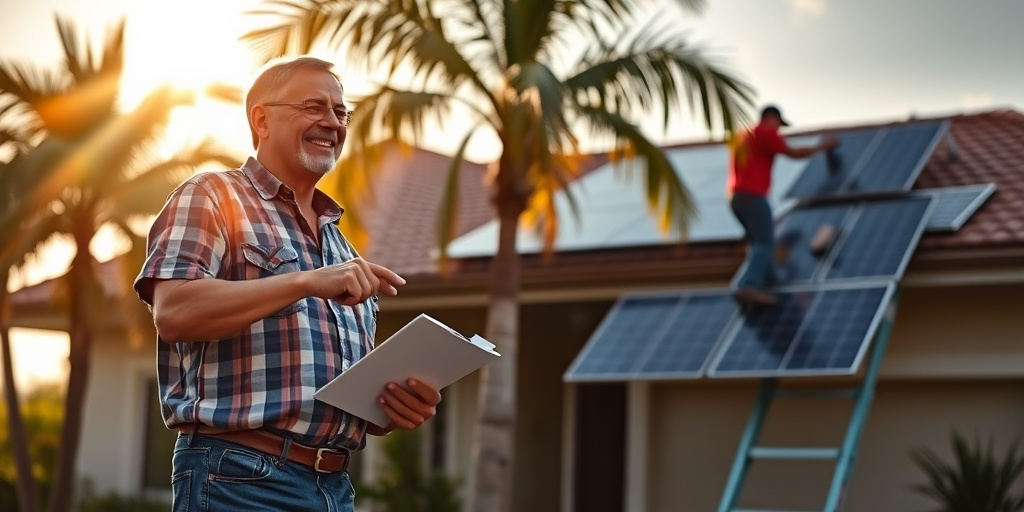
Warning: Ignoring Solar Scams Could Cost You Thousands. As the sun-drenched state of Florida braces for its solar energy boom, many homeowners, and commercial property owners are drawn to the promise of saving money on electric bills and increasing their energy independence. However, beneath this alluring surface lies a landscape riddled with scams, misinformation, and predatory practices that threaten to put your financial future at risk. Did you know that over 51% of Americans expressed concerns about falling victim to solar energy scams, according to a recent survey? With solar energy incentives in 2025 set to expand, safeguarding your investment is more critical than ever. In fact, the average residential solar system can save homeowners between $10,000 and $30,000 over its lifetime if installed correctly (SEIA.org). This blog will delve into how to identify pitfalls, spot scams, and ensure a safe solar installation experience.
In professional circles, the urgency surrounding solar investments cannot be overstated. As energy costs continue to rise and Florida grapples with climate-related challenges, harnessing solar energy is not just smart; it’s necessary. In this guide, we will explore the following five sections:
- The alarming truth about solar scams
- A practical checklist to identify legitimate solar providers
- Common myths about solar power and how to debunk them
- Essential best practices for a safe solar installation
- Your actionable plan for navigating the solar landscape in 2025
Get ready to empower yourself with knowledge that can save you thousands.
Understanding the Alarming Truth About Solar Scams
The rise of solar energy solutions has led to a surge in companies offering solar panel installations. Yet, not all of these providers uphold ethical standards. Meet Jane, a Florida homeowner who was initially thrilled about the prospect of adopting solar energy. Unsure where to start, she turned to an online advertisement for a solar technology firm that boasted of high customer satisfaction rates. Jane was sold. After signing the contract, she learned the hard way that the promised savings were replete with hidden fees and poor-quality installations. She ended up losing over $12,000. Her experience is not an isolated case; it’s a cautionary tale that exemplifies why understanding the risks is crucial.
Here’s a checklist to consider when exploring solar power options:
- Research Company Reputation: Check for a valid state license, reviews, and ratings on platforms such as SolarReviews.com.
- Ask for References: Speak directly with previous customers about their experiences with the installers.
- Be Wary of High Pressure Tactics: Legitimate providers won’t rush you into a decision or ask for payment upfront.
Many Florida residents may mistakenly believe that any company advertising solar panel installations is reliable. In fact, only 15% of solar companies across the country maintain a strong reputation based on customer satisfaction (SolarReviews.com).To counter this, it’s vital to remain skeptical and prioritize verified providers.
Myth #1: “All solar panels are created equal.” This couldn’t be further from the truth. A plethora of brands offer varied warranties, efficiency ratings, and costs. Research is key!
Myth #2: “Going solar is only for wealthy homeowners.” Programs that offer financial incentives and state rebates ensure that solar energy is increasingly affordable for everyone (Energy.gov).
Myth #3: “It’s too complicated to switch to solar.” With resources available to help guide homeowners through the process, shifting to solar energy has never been easier. Reliable solar companies will provide detailed educational materials on this journey.
Myth #4: “Once the panels are installed, I can forget about them.” Maintaining your solar system is essential for optimization.
Myth #5: “I’ll make back my investment overnight.” Normally, the breakeven period can vary from 6-10 years depending on local electricity rates and incentives available, making timing crucial (NREL.gov).
Finally, let’s delve deeper into local implications. In Florida, solar energy incentives are projected to expand significantly in 2025, offering financial stimuli that could propel solar energy adoption (Energy.gov). However, scammers are also aware of these incentives and may try to manipulate homeowners into partnering them for enticing returns.
The facts are clear: with a little diligence, you can protect your investment and ensure a smooth transition to solar energy. What comes next? Onwards, as we expand your knowledge of a practical checklist.
A Practical Checklist for Solar Providers
Finding a trustworthy solar provider can be daunting with the misinformation flooding the market. You need a comprehensive checklist to understand the vital steps in this process:
- Step 1: Analyze Your Energy Needs: Assess your average energy consumption. Have an idea of how much energy you wish to generate.
- Step 2: Get Multiple Quotes: Solicit proposals from different providers to compare pricing and offerings.
- Step 3: Verify Licenses and Insurance: Ensure the companies you consider have valid licenses and adequate insurance coverage.
- Step 4: Understand Financing Options: Investigate each company’s financing options to see which can save you the most money.
- Step 5: Review Contracts Thoroughly: Look for excessive fees or vague terms that could lead to issues down the line.
This approach, meticulous and deliberate, can save you serious money and time. According to the U.S. Department of Energy, homeowners who conducted due diligence regarding solar companies were 30% more likely to have a positive installation experience (Energy.gov).
If you’re interested in exploring your options step-by-step, visit floridaelectricandsolar.com for more resources. Navigating the intricate web of solar providers in 2025 means leveraging all the acquired knowledge while embracing verified systems.
The pitfalls of choosing the wrong company can lead to unwanted stress, damaged financial prospects, and poor installations. What goes next? Let’s break down the common myths regarding solar power and shine a light on the realities homeowners should know!
Debunking Common Myths About Solar Power
Misinformation can adversely affect your solar journey. Let’s address some prevalent myths that cloud judgment about solar power:
- Myth #1: Solar Energy is Expensive: While the initial investment can be significant, the long-term savings on electric bills often outweigh the upfront costs.
- Myth #2: Solar Power Doesn’t Work on Cloudy Days: Solar panels can still produce energy in indirect sunlight, which is particularly relevant in diverse weather conditions in Florida.
- Myth #3: Roofs Without Direct Sunlight Can’t Go Solar: Various solutions, like ground-mounted systems, can be employed for shaded properties.
- Myth #4: Solar Panels Require High Maintenance: They require minimal maintenance, primarily needing periodic cleaning and occasional inspection.
Understanding that common misconceptions regarding solar energy may deter Florida homeowners from investing in this beneficial technology is crucial, especially as the push for solar intensifies in 2025. The Solar Energy Industries Association (SEIA.org) reports that intuitively understanding these myths can correlate with higher adoption rates—statistics show states with heightened education around solar myths enjoy a significant increase in installations up to 40% over a year.
By recognizing and debunking these myths, you can pave a smoother path toward your solar journey. We are progressing to best practices for solar installation.
Essential Best Practices for Safe Solar Installations in 2025
As you consider transitioning to solar, understanding industry best practices will ensure your installation process is seamless. Let’s discuss five essential recommendations:
- Don’t Skimp on Quality: Choose high-quality solar panels and equipment, even if that comes with a higher initial cost. Quality can significantly impact efficiency and lifespans.
- Get a Detailed Quote: Your provider should offer a comprehensive breakdown of costs, allowing you insight into what you pay for.
- Look for Certifications: Opt for companies accredited by the North American Board of Certified Energy Practitioners (NABCEP); this ensures the quality of installations.
- Seek Local Expertise: Find providers familiar with Florida’s unique climate conditions and building codes, ensuring effective installations per local regulations.
- Stay Involved: You’ll need to monitor your system’s performance. Most reputable providers offer software to help track production, so familiarize yourself with it.
Achieving solar success requires attention to detail and due diligence. According to a study by the National Renewable Energy Laboratory (NREL.gov), quality installations boost energy production capabilities by up to 25% in the first year alone.
Make it a priority to find a provider that adheres strictly to best practices and remains updated on the industry. The benefits are immediate, ensuring that you’ll enjoy decreased bills while effectively supporting sustainability. After understanding best practices, let’s explore a narrative expansion of navigating this process, particularly for Florida homeowners.
A Florida Homeowner’s Solar Journey
Let’s envision the journey of Tom, a typical Florida homeowner contemplating the switch to solar energy. After noticing rising electric bills, which skyrocketed to nearly $300 monthly over the summer months, Tom decided it was time to invest in solar. However, the fear of scams lingered in his mind.
Tom started with in-depth research, which included several online reviews and asking friends about their experiences. He created a list of potential solar companies based on customer satisfaction. By checking directories like SolarReviews.com and SEIA.org, he quickly whittled down his options. He made sure these providers operated in Florida and offered specialized warranties tailored to the unique weather challenges of the Sunshine State.
Through this process, Tom identified several essential steps:
- Conduct thorough consultations with potential companies to get a full understanding of proposals.
- Get quotations from at least three companies to assess different offers.
- Review project timelines and maintenance support after installation.
After deciding on a provider, the installation process went smoothly. Tom was careful not to overlook details in the contract and confirmed no hidden fees were lurking within. The outcome? He experienced comprehensive savings in his first year alone, with electric bills dropping by more than 60%. However, he understood that staying educated mattered, so he continued monitoring his system’s performance regularly.
Tom’s journey is living proof of the potential advantages when navigating the solar landscape responsibly. Thanks to proper research and keen attention to detail, he transformed his home into an energy-saving haven. What would Tom advise you on as you embark on this pathway? Let’s wrap up our exploration with a strong actionable plan for Florida solar buyers.
Next Steps for Florida Solar Buyers in 2025
Are you ready to join Tom and many other Floridians on the journey toward sustainable energy in 2025? Here’s a checklist to guide your next steps:
Step 1: Audit Your Electric Bill
Understand your energy consumption: Gather your energy statements and assess patterns over the past year. Estimate how much energy you will produce with solar systems.
Step 2: Research Solar Companies
Investigate local providers through reviews and community feedback. Contact reputable companies to gauge their services.
Step 3: Review Incentives and Financing
Examine current federal and state incentives available for solar installations in Florida to maximize savings.
Step 4: Get Estimates
Once you’ve narrowed down prospective solar providers, reach out for quotes tailored to your needs.
Step 5: Make Your Decision
Evaluate all collected information, choose a company that resonates with your values, and finalize all contractual agreements carefully before installation takes place.
To facilitate your solar adventure, you can visit floridaelectricandsolar.com for more guidance. The right steps will help safeguard your investment, keeping you on track while benefiting from the substantial, green transition.
In summary, the journey toward solar energy in Florida can be both rewarding and fraught with risks. By approaching it mindfully, educating yourself, and following best practices, you’re setting the stage for immense savings and a cleaner environment. The choice you make now will echo throughout your financial future, making a secure solar path more relevant than ever.
Ready to start your solar journey in 2025? Connect with a certified expert at floridaelectricandsolar.com today.
Related Articles
More insights about Solar Scams

Warning: Don’t Overlook These Solar Scams to Avoid

Don’t Miss This Critical Alert About Solar Scams

Don’t Ignore These Critical Solar Scams to Avoid
Ready to Go Solar?
Have questions about solar energy? Our experts are here to help you make the switch to clean, renewable energy.