
Warning: Don’t Overlook These Critical Solar Panel Installation Costs
Share:
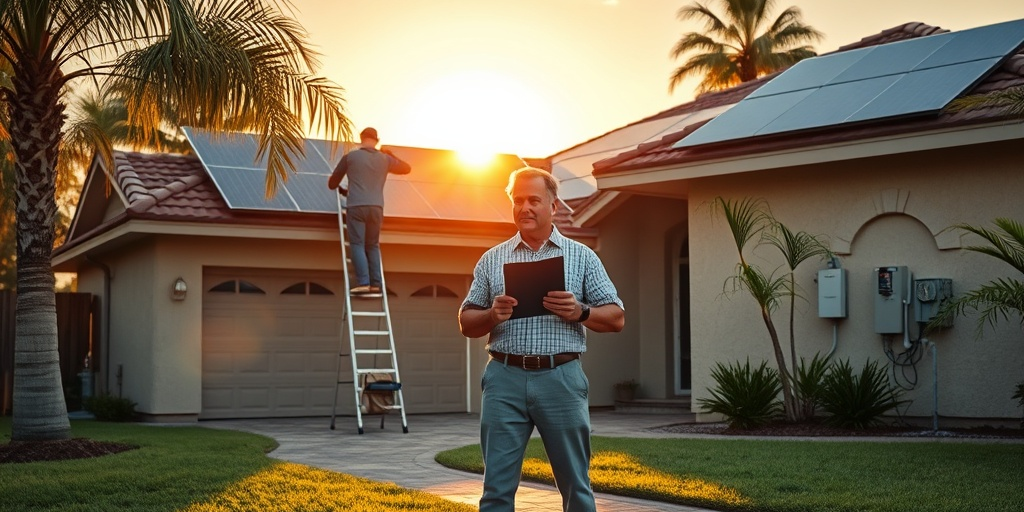
Warning: Don’t Overlook These Critical Solar Panel Installation Costs—it’s a phrase that could save you thousands of dollars. As a Floridian homeowner, have you considered that the average cost of installing solar panels ranges between $15,000 and $25,000? According to recent studies, only about 20% of homeowners are aware of the various hidden costs associated with solar panel installation (Energy.gov). Even with lucrative **2025 incentives**, from the upcoming federal tax credit expansion to state grants, overlooking these costs could result in your solar power dreams becoming a financial nightmare.
As energy prices continue to rise, understanding the nuances of your solar investment becomes more critical than ever. In 2025, transitioning to solar energy not only aligns with environmental stewardship but is also a financial imperative, especially in Florida, where over 300 sunny days per year make solar an attractive option. However, failing to account for installation costs can lead to disappointment and uncertainty.
This article will help you navigate the landscape of solar panel installation costs, highlighting the often-overlooked aspects that could change your overall investment significantly. We will delve into the following sections:
- Case Study: Real Florida Homeowner Experience
- Checklist: Essential Steps to Anticipate Costs
- Myth-Busting: Debunking Solar Installation Misconceptions
- Local Focus: Understanding Florida-Specific Costs
- Technical Deep-Dive: The Fine Print of Installation Expenses
Now, let’s begin the journey to understanding why you must not overlook these critical solar panel installation costs.
Understanding the Financial Landscape: A Florida Homeowner’s Journey
Meet the Johnsons, a family from Orlando who dreamed of slashing their electricity bills and contributing to a greener future. In 2024, the Johnsons decided to replace their aging roof with solar panels, believing they were making a sound investment. However, they encountered several unexpected costs along the way that nearly derailed their plans. Here’s how their experience can serve as a valuable lesson for you.
The first critical expense they overlooked was the cost of permitting and inspections. Each county in Florida has its own requirements, which can easily add $1,000 to $3,000 to your total installation cost. Additionally, they incurred expenses related to roof upgrading that surpassed their budget by more than 30%—roofing projects can cost anywhere from $7,000 to $15,000 (NREL.gov). The Johnsons’ dreams almost dashed, but they learned vital lessons in planning and budgeting before committing to their solar installation.
- Financial Planning: Always create a comprehensive budget that includes cost variables like permits and rooftop upgrades.
- Research Local Requirements: Understand county-specific solar laws to avoid unexpected costs.
- Choose the Right Installer: Research installers’ reputations and reviews to ensure reliability and transparency in pricing.
To ensure future homeowners aren’t left with similar surprises, here’s a checklist of actionable steps to take.
Essential Steps to Anticipate Costs
Step 1: Audit Your Electric Bill
Review your monthly electricity usage to project your potential solar needs accurately. This will help in determining the size of the solar panel system that best suits your home.
Step 2: Get Multiple Quotes
Gather quotes from at least three qualified solar installation companies to compare costs and services. Be wary of overly low estimates—they could indicate corners being cut.
Step 3: Know Your Financing Options
Whether you finance, lease, or buy outright, ensure you’re clear on long-term costs, interest rates, and potential savings that may differ across options.
Step 4: Calculate Long-Term Savings
While solar panels represent a substantial upfront cost, consider the long-term savings on energy bills. Florida homeowners can save an average of $50-$100 a month, resulting in significant savings over 25 years (SEIA.org).
Step 5: Factor in Maintenance Costs
Budget for routine maintenance, which includes cleaning and inspections—usually about 1% of the total system cost annually.
These steps are essential to ensure you have a complete picture of all associated expenses with solar panel installation. For further insights, explore resources at floridaelectricandsolar.com.
Myth-Busting: Debunking Solar Installation Misconceptions
Misunderstandings about solar energy can keep potential adopters on the sidelines. Let’s debunk some common myths in the industry:
Myth #1: Solar Panels Are Too Expensive
Many believe solar is cost-prohibitive. While the upfront costs can be substantial, with the federal solar tax credit and several state incentives in 2025, the overall financial burden is decreasing significantly.
Myth #2: Solar Energy Only Works in Sunny States
While Florida is an excellent location due to its sunny climate, solar panels can generate energy on cloudy days as well, although efficiency may vary.
Myth #3: You Can’t Save Money with Solar
In reality, Florida homeowners can potentially save tens of thousands over time. The average payback period for a solar system in Florida is around 5 to 8 years (SolarReviews.com).
Myth #4: Solar Systems Require Unreasonable Maintenance
Solar panels are generally low-maintenance; a simple yearly cleaning and inspection are usually sufficient to keep them functioning optimally.
Myth #5: Installation Will Ruin My Roof
With professional installation, solar panels are designed to last and are installed without compromising the roof’s integrity.
By dispelling these myths, you empower yourself with the knowledge necessary to make informed decisions about solar energy adoption in Florida.
Understanding Florida-Specific Costs
Florida has unique financial implications for homeowners contemplating solar energy. From sales tax exemptions to property tax incentives, here’s a closer look at costs you should consider.
- Sales Tax Exemption: Florida provides a sales tax exemption on solar panel equipment, which can save you up to 6% off the total installation cost.
- Property Tax Exemption: Solar energy systems are exempt from additional property taxes in Florida, allowing you to avoid the increased value addition of solar on your home.
- Coastal Installation Specifics: Homes closer to the coast may need weather-rated panels, which could incur additional costs but are crucial for durability.
- Net Metering Policies: Florida allows net metering, enabling you to receive credit for surplus energy generated. This can significantly reduce your power bills, thus lowering long-term costs surprisingly.
- Incentives in 2025: With new state incentives projected to roll out, it’s vital to keep updated on policies that could further benefit your solar investment.
By understanding these local specifics, you can paint a clearer financial picture when considering solar installation for your home.
The Fine Print of Installation Expenses
Diving deeper into the technical aspects of solar installation can reveal several hidden costs. These may not always be factored into initial quotes, leading to unexpected surprises.
- Inverter Costs: High-quality inverters can be pricey, sometimes costing several thousand dollars. Ensuring you install the right inverter is crucial for optimal energy output.
- Roof Condition: If your roof is nearing replacement or has significant wear, plan for this additional expenditure, which can derail your solar plans if not addressed upfront.
- Installation Labor: The costs can vary widely based on your location, with urban areas typically commanding higher rates for skilled labor.
- Additional Equipment: You may need energy storage solutions (batteries) to maximize efficiency, especially with Florida storms affecting grid stability.
These elements underscore why it is crucial to ask detailed questions when you’re getting quotes from solar contractors. Have clear communication to clarify what’s included and what isn’t—and always read the fine print.
Next Steps for Florida Solar Buyers in 2025
After exploring the crucial aspects of solar panel installation costs, it’s vital you take actionable steps towards securing your energy future. Here’s a checklist to guide your efforts:
- Step 1: Audit Your Electric Bill
Assess your energy needs to gauge the size and type of solar panel system suitable for your house. - Step 2: Research Financing Options
Explore various financing methods available in Florida that align with your long-term financial strategies. - Step 3: Investigate Local Installers
Obtain detailed quotes from proven local installers, keeping their reputations and delivery times in mind. - Step 4: Clarify Warranties and Maintenance Costs
Ensure you fully understand warranty coverage on equipment and installation, along with future maintenance costs. - Step 5: Stay Informed on New Regulations
Follow changes in local and federal policies that may introduce new incentives or change existing ones.
By following these steps, you’ll be thoroughly prepared to embark on your solar journey. Don’t leave yourself in the dark—stay well-informed about the potential financial landscape as you proceed. Visit floridaelectricandsolar.com for additional insights and resources tailored for Florida homeowners.
As we approach 2025, the landscape of solar energy is evolving. Solar panel installation can provide substantial savings and greater autonomy over your energy use. Still, avoiding hidden costs is vital for unlocking the full potential of your solar investment. Remember the Johnsons’ experience. With the right preparation and knowledge, you can avoid the pitfalls they encountered and turn your dream of solar energy into a reality.
Ready to start your solar journey in 2025? Connect with a certified expert at floridaelectricandsolar.com today.
Related Articles
More insights about Solar Panel

Florida Homeowners: Why Solar Panel Maintenance Is Essential

7 Essential Steps for Solar Panel Installation Success

Expert Insights: Key Factors Influencing Solar Panel Lifespan
Ready to Go Solar?
Have questions about solar energy? Our experts are here to help you make the switch to clean, renewable energy.