
Warning: Overlooking Solar Panel Lifespan Could Lead to Major Expenses
Share:
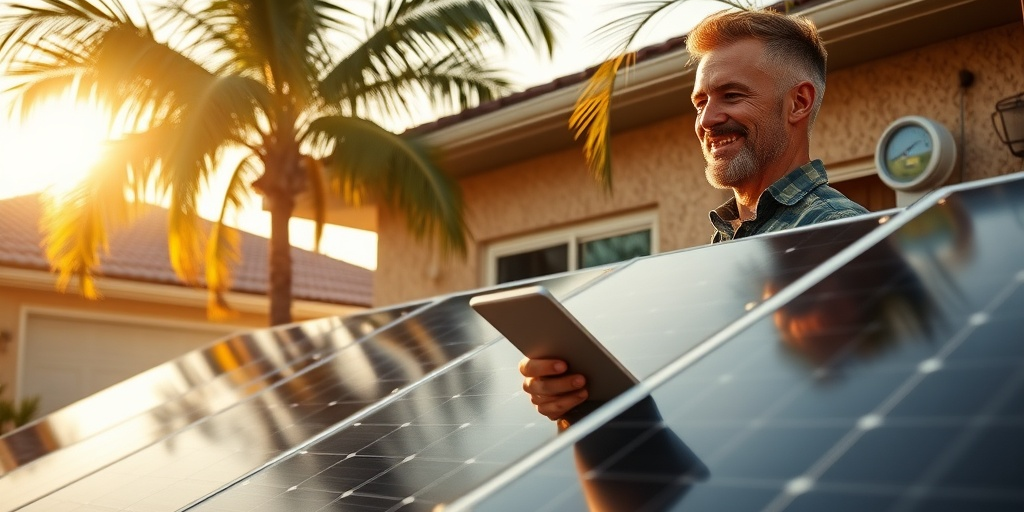
Every year, millions of American homeowners take advantage of solar technology, converting sunlight into clean, renewable energy. However, a staggering number remain unaware of the critical importance of understanding solar panel lifespan, and this oversight could lead to unexpected, costly expenses. In fact, studies reveal that solar panel installations without proper maintenance can result in a 20% reduction in efficiency over their lifetime (NREL.gov). Furthermore, the average lifespan of solar panels is 25-30 years (Energy.gov). As we move into 2025, Florida homeowners and commercial property owners must face rising energy costs and potential grid instability, making it urgent to consider the long-term durability of their solar investments. It’s essential to prioritize the longevity of solar components if you wish to protect this valuable investment. In this article titled “Warning: Overlooking Solar Panel Lifespan Could Lead to Major Expenses,” we will explore the potential pitfalls of neglecting solar maintenance, present actionable checklists, debunk common myths, highlight crucial local insights, and provide technical knowledge that will empower you to make informed decisions about your solar energy system.
In this comprehensive guide, we’re diving deep into:
- The critical importance of understanding solar panel lifespan.
- Actionable steps for maintaining your solar energy system.
- Common myths surrounding solar panel lifespan and maintenance.
- Florida-specific insights to tailor your solar investment.
- Technical aspects of solar installations that affect durability.
Why Understanding Your Solar Panel Lifespan is Crucial
Imagine this scenario: A sunny Florida homeowner, Mr. Johnson, excitedly invests in a solar energy system, believing he’s found the key to reduce his monthly electric bills while helping the environment. However, five years down the line, he notices decreased efficiency and higher electricity costs than anticipated. This story is not uncommon and could leave homeowners distraught and financially compromised. Understanding the lifespan of solar components, including panels, batteries, and inverters, is not just a matter of convenience; it’s a fundamental aspect of ensuring a smooth, rewarding solar journey.
To keep your solar investment lucrative, we present these five vital action steps:
- Step 1: Regularly monitor your system’s performance metrics.
- Step 2: Schedule periodic maintenance checks by certified technicians.
- Step 3: Keep your solar panels clean and free from debris.
- Step 4: Replace components such as inverters when necessary.
- Step 5: Stay informed about industry updates and policy changes.
Many homeowners believe that once their solar system is installed, they can forget about it. However, contrary to this belief, neglecting your solar energy setup can age your system prematurely. In fact, solar panels can degrade around 0.5% per year (SolarReviews.com), and without adequate maintenance, this deprecation leads to significant loss in energy production.
Checklist for Optimal Solar Panel Maintenance
For Florida homeowners, keeping a solar energy system running efficiently is both an art and a science. Here’s a practical checklist that ensures your system thrives:
- Step 1: Schedule annual professional inspections. Having a certified technician evaluate your solar system guarantees that all components work harmoniously. These experts are trained to spot early signs of wear that homeowners may overlook.
- Step 2: Communicate with your solar provider about warranties. Most panels come with warranties that cover efficiency. Familiarize yourself with the specifics—what they cover and for how long—to protect your investment in the event of failures.
- Step 3: Inspect your roof regularly. Ensure that your roof remains in good condition. Roof damage can lead to substantial expenses, especially for those with installations at steep angles. Ensure shingles are intact to prevent leaks damaging solar components.
- Step 4: Clean your panels periodically. Dust, dirt, and bird droppings can reduce efficiency. Regularly washing your panels can help maintain their output. As Florida sees heavy rain, flush out any residues naturally, but often a gentle hand wash does the trick too!
- Step 5: Stay updated on local regulations and incentives. Florida’s energy policies may bring mixed impacts to your investment. Engage with organizations like floridaelectricandsolar.com to obtain valuable information about current incentives while also ensuring compliance with state renewable energy standards.
Now that you possess a solid maintenance checklist, let’s debunk some widespread myths surrounding solar panel lifespans.
Myth-Busting: Common Misconceptions about Solar Lifespan
Many myths cloud the understanding of solar energy systems, often leading to unnecessary expenses or ill-informed decisions. Let’s clarify some misconceptions for Florida homeowners.
- Myth #1: Solar panels last forever.
Truth: Solar panels generally maintain their efficiency for 25-30 years. Even high-quality panels degrade, which means investing in monitoring and maintenance becomes crucial. - Myth #2: You don’t need to clean solar panels.
Truth: Dust and algae can accumulate, reducing energy output by up to 20% (National Renewable Energy Laboratory). Regular cleaning is part of effective maintenance. - Myth #3: Solar systems are too expensive and provide no return on investment.
Truth: With significant tax credits and incentives, solar installations often pay for themselves within 5-7 years (SEIA.org). Give it time; the return potential grows over the lifespan. - Myth #4: Battery storage is unnecessary.
Truth: As energy consumption increases, battery storage becomes essential for maximizing savings and maintaining system resilience, especially during power outages. - Myth #5: All solar components have the same warranties.
Truth: Not all panels or inverters have equivalent warranty coverage. Expertly consult your installer on warranties before committing to a solar purchase.
By dispelling these myths, you can better protect your investment and understand the critical importance of solar panel maintenance and longevity.
Florida-Specific Insights on Solar Investment
Understanding local conditions and incentives can significantly impact your solar energy journey in Florida. This first section delves into crucial local insights that every solar buyer in the Sunshine State must know.
- Incentives: Florida offers various state incentives and tax credits for solar installations. For example, the state has no sales tax on solar equipment (DSIREUSA.org) — saving homeowners thousands in upfront costs, making it easier to recoup your investment over time.
- Net metering: Florida homeowners can benefit from net metering systems, which allow you to earn credits for excess energy your solar panels produce during the day, providing extra savings on future electric bills. However, an understanding of local regulations is paramount to leverage these benefits.
- Weather considerations: Florida’s unique weather, from hurricanes to tropical storms, can impact solar panel performance and installation procedures. Installing panels to withstand storm conditions necessitates hiring specialized professionals who understand local building codes.
With these Florida-specific insights and advice in mind, the next section details some best practices you can adopt during the installation process to maximize your solar power investment.
5 Expert Solar Installation Tips for 2025
As you consider jumping into solar energy in 2025, keep these expert tips at the forefront of your mind. Ensuring that your solar panels are installed and maintained correctly is essential to optimizing your return.
- Don’t skimp on panel placement. A common misstep is poor installation orientation. Position your solar panels with optimal sun exposure maximizes energy production, ensuring your investment is worth it.
- Choose the right inverter. Quality inverters can extract more energy from your solar panels. Top-tier inverters can have their efficiency rates as high as 98% (SolarReviews.com), which significantly impacts your energy bills.
- Invest in smart monitoring. Modern solar setups can integrate with smart home technology, enabling real-time monitoring of your system’s performance. Identifying inefficiencies early can save money and energy.
- Understand maintenance goals. Clearly communicate with your installer about your maintenance expectations and goals for your energy system. This understanding creates a partnership for long-term satisfaction and efficiency.
- Factor in future energy needs. Make sure your system’s capacity reflects not just your current needs but any changes in energy consumption as your household or business grows. A scalable system can prevent financial burdens down the line.
A Practical Solar Journey: Meet the Smith Family
The Smith family from Orlando embarked on their solar energy journey last year, driven by the goal to decrease their electric bills and contribute to a healthier planet. Captivated by the rising costs of traditional electricity, they decided to harness solar as an investment for the future. But disregarding their solar panel lifespan nearly led to a costly mishap.
After a year of installation, they saw unusually high electricity bills. Concerned, they contacted their installer only to learn that moisture had damaged their inverter, leading to decreased performance. Unfortunately, properly budgeting for maintenance wasn’t something they considered during the initial planning phase. Fortunately, they took quick action to resolve the issue, budgeting for repairs and new technology to avoid future setbacks.
Here are some important lessons they learned throughout their journey:
- Regular inspections and preventive maintenance are essential to maintaining their system.
- The inverter is a significant investment; being proactive about its efficiency is vital.
- Understanding the warranty significance is crucial, helping them leverage industry trends.
The Smith family’s journey is a reminder that understanding the critical aspects of solar investment, including solar panel lifespan, can mean the difference between financial security and future disappointment.
Next Steps for Florida Solar Buyers in 2025
Ready to embark on your solar journey? It may seem overwhelming, but with actionable steps, you can ensure a smooth and financially sound transition to cleaner energy. The following checklist outlines your path:
- Step 1: Audit Your Electric Bill. Compare your current bills and assess energy consumption. Identify patterns to foresee changes and how solar can serve your family best.
- Step 2: Research local solar providers. Speak with multiple experts to understand what offers align with your financial goals. Use customer reviews and community recommendations for credible insights.
- Step 3: Review financing options. Explore different pathways like solar loans, power purchase agreements (PPAs), or leasing models to make your solar investment accessible. Factor in long-term gains versus short-term losses.
- Step 4: Engage with licensed solar contractors. Obtain quotes to compare costs, warranties, and technical offerings. Leverage local solar forums and groups for community insights.
- Step 5: Final decision-making. Combine all of your research and community feedback to decide what works best for your home. Ensure comfort in your commitment to solar and the partners you’ve chosen.
As you set your solar energy ambitions for 2025, remember that the keys lie in understanding long-term efficiencies and the lifespan of solar components installed in your system.
In conclusion, diving deep into solar energy requires diligence and planning, especially with critical factors such as lifespan and maintenance. This investment is not merely a financial transaction; it’s a sustainable choice for generations, enhancing your quality of life while providing significant savings over time. By understanding solar panel maintenance, users can avoid the major expenses associated with neglect. Beyond financial aspects, investing in solar energy empowers families, bolstering energy independence for a healthier planet. Let’s make those critical choices together!
Ready to start your solar journey in 2025? Connect with a certified expert at floridaelectricandsolar.com today.
Related Articles
More insights about Solar Panel

Florida Homeowners: Why Solar Panel Maintenance Is Essential

7 Essential Steps for Solar Panel Installation Success

Expert Insights: Key Factors Influencing Solar Panel Lifespan
Ready to Go Solar?
Have questions about solar energy? Our experts are here to help you make the switch to clean, renewable energy.