
Warning: Don’t Fall for These Solar Scams to Avoid
Share:
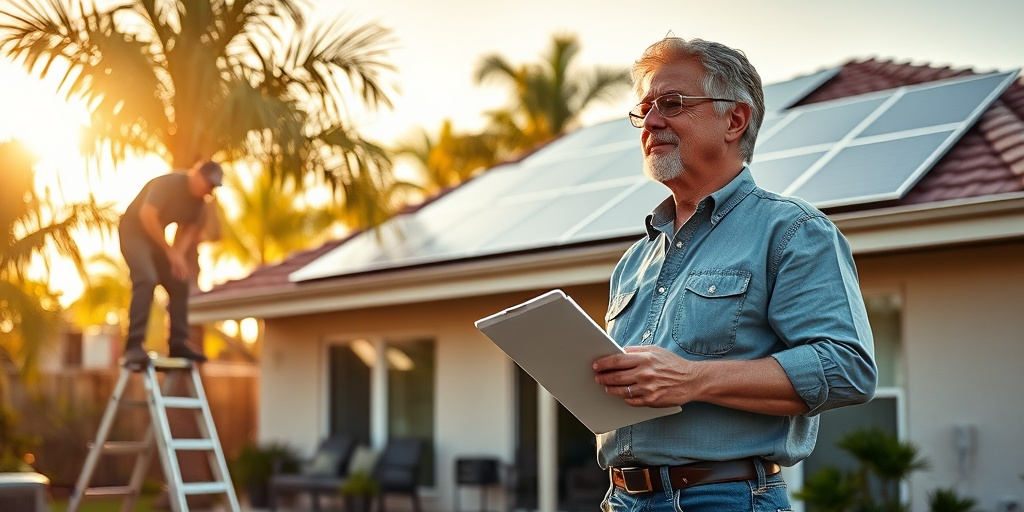
Imagine a sunny afternoon in Florida, where the sound of laughter and the sizzling barbecues fill the air, and homeowners are basking in the warmth of not just the sun, but also their incredible savings on electric bills, all thanks to their solar installations. A staggering 3,162 megawatts of solar power capacity has been installed in Florida, making it one of the leading states in solar adoption (SEIA.org). Yet, as the popularity of solar power continues to surge, so too do the number of unscrupulous companies looking to take advantage of unsuspecting homeowners. This brings us to our crucial topic: Warning: Don’t Fall for These Solar Scams to Avoid.
With energy costs expected to escalate even further in 2025 and new solar incentives popping up across Florida, it’s never been more vital to arm yourself with knowledge about the potential traps that may await you in the world of solar installation. Additionally, surveys indicate that up to 55% of homeowners remain unfamiliar with solar financing options, which puts them at higher risk of scams and misinformation (SolarReviews.com).
This article will guide you through essential insights into the types of scams to avoid while empowering you to make informed decisions as you consider going solar in the Sunshine State. We’ll dive into five essential sections:
- A rich narrative exploring a common scam experience among Florida homeowners
- A practical checklist to identify warning signs of a solar scam
- A myth-busting segment debunking common misconceptions about solar energy
- An examination of Florida-specific data and local policies
- A technical deep-dive into the mechanics of solar systems
Let’s embark on this enlightening journey to protect you from falling into solar traps!
Case Study: A Florida Homeowner’s Scare with Solar Installation
Meet Jane, a dedicated mother and a Florida homeowner, who was excited about the potential savings offered by solar energy for her family. Eager to escape her monthly electric bills, Jane diligently researched, attending local energy fairs and reading online articles. However, one day, she received a call from a company that promised substantial savings with minimal investment. Enthralled by the enticing offer, Jane was quick to sign up without doing thorough research on the company.
This seemingly great deal soon turned into a nightmare when the installation team arrived, equipped with faulty panels and old technology. The system, which was supposed to save her thousands, instead began racking up unexpected costs, hidden fees, and ultimately failed to deliver on its promises. Unfortunately, Jane discovered too late that the firm had been operating under various names to evade complaints, leading to significant financial strain. Jane’s story isn’t unique; it’s emblematic of a growing trend where homeowners fall prey to deceptive practices targeting those unprepared for the solar revolution.
To ensure a smooth transition to solar, it’s critical to equip yourself with the knowledge to identify red flags before making a commitment. Here’s a checklist to consider when evaluating a prospective solar company:
- Check Reviews: Research customer feedback on platforms like Google and Yelp.
- Verify Licenses: Confirm that the company possesses valid contractor licenses required in Florida.
- Inspect Experience: Ensure they have a history of successful solar installations.
- Understand Financing Options: Beware of companies pushing financing that seems “too good to be true.”
- Review Contracts Carefully: Read all clauses, especially those related to warranties and penalties.
This checklist isn’t just a formal guideline; it’s a lifeline to safeguard your investment and peace of mind as you venture into the world of solar power. Moving forward, let’s tackle some common misconceptions about solar energy that might leave you vulnerable to scams.
Myth-Busting Common Misconceptions about Solar Energy
Myth #1: Solar Panels Work Only on Sunny Days. Many people believe that solar panels are ineffective on cloudy or overcast days. In reality, solar panels generate electricity even when the sky is gray, capturing diffuse sunlight. Most modern systems can produce around 25% less energy on cloudy days but still contribute to your electricity needs (NREL.gov).
Myth #2: Solar Power is Too Expensive. While the upfront costs can seem daunting, numerous tax credits, rebates, and financing options can make solar more affordable. For instance, the Federal Solar Tax Credit allows homeowners to deduct a significant portion of their solar installation costs from their taxes, making it accessible.
Myth #3: All Solar Panels are the Same. There exists a wide variance in solar panel technologies and efficiencies. Premium brands often provide higher energy output and longer warranties, whereas lower-cost options may fall short in performance and durability.
Myth #4: The Maintenance for Solar Panels is Expensive. Fortunately, solar power requires minimal upkeep. Routine cleaning and inspections can help maintain efficiency. Most reputable installations also come with comprehensive warranties, alleviating concerns about unexpected expenses.
Myth #5: Once Installed, Solar Panels Can’t be Adjusted. In truth, modern solar systems have adjustable mountings that can optimize the angle of the panels for maximum energy capture, depending on the season and roof orientation.
Taking the time to understand these common myths empowers Florida homeowners to make better decisions while protecting against potential scams. Now, let’s shift our focus toward Florida’s unique landscape and motivations behind going solar.
Florida-Specific Considerations: What Every Homeowner Should Know
For Florida homeowners contemplating solar energy, the allure of free electricity is accompanied by various laws and benefits that must be understood. This includes the Florida Solar Rights Law, which protects your right to install solar energy systems without restrictions that a homeowners association might impose, taken from legislation established in 2008.
Additionally, 2025 marks a critical year for solar in Florida, as the state has set lofty renewable energy goals, including a directive for utilities to generate 20% of their power from renewable sources by 2030 (Energy.gov). This surge of interest brings both opportunities and dangers, as evidenced in a quick analysis of the market’s growth:
- Florida ranks third in the nation for total installed solar capacity, catering to an increasing number of residents aiming to cut their energy bills.
- The average homeowner saves about $20,000 over the lifespan of a solar system (SEIA.org).
- Despite the proven savings, 30% of solar installations fail due to improper installations or poor customer service (SolarReviews.com).
As you can see, navigating the Florida solar market is fraught with potential pitfalls if homeowners do not stay informed and vigilant. Next, we will take a technical deep-dive into what makes solar power a viable energy source, highlighting the importance of understanding how systems function.
A Technical Deep-Dive into Solar Systems
The mechanisms behind solar energy systems might seem complicated, but understanding them enhances your appreciation of the investment you’re making. A typical solar setup involves three key components: solar panels, inverters, and batteries.
Solar Panels: The workhorses of your system, photovoltaic (PV) panels convert sunlight into direct current (DC) electricity. The efficiency of these panels hinges on technology, with monocrystalline panels typically yielding higher performance over polycrystalline models.
Inverters: These devices convert the DC electricity generated by your panels into alternating current (AC) electricity, which powers your home. There are two types of inverters: string inverters and microinverters. Microinverters tend to maximize output on shaded or partially obstructed roofs.
Batteries: Energy storage is increasingly vital for homeowners looking to utilize solar power during non-sunny hours. Most battery systems are designed for high cycles and long life, ensuring you can take advantage of stored energy at night or during power outages.
Understanding these components allows homeowners to critically evaluate what’s being offered in terms of solar systems. Ask contractors probing questions about the brand and technology before you sign that contract.
Next Steps for Florida Solar Buyers in 2025
As the world of solar energy expands in Florida, being proactive about your future savings is essential. Here’s a checklist to guide you in taking calculated steps toward a successful solar transition:
- Conduct Your Home Audit: Assess your current energy consumption and utility bills to understand how solar can benefit you.
- Research Trustworthy Providers: Create a shortlist of reputable companies with strong local records. Perhaps start your journey at floridaelectricandsolar.com.
- Evaluate Financial Incentives: Make sure you understand federal, state, and local taxes that can help offset installation costs.
- Request Quotes: Get multiple quotes to analyze pricing and ensure you are being offered competitive rates.
- Ask for References: Contact past customers to inquire about their satisfaction levels and post-installation support.
Taking these steps not only mitigates risks but also maximizes your potential return on investment as you step into the solar revolution in Florida.
In conclusion, navigating the solar landscape in Florida will require diligence and an informed mindset. Protecting yourself from scams is as crucial as seeking out the right technology and reliable providers. Remember Jane, and ensure that your journey towards solar energy is empowering and enriching. Your decision on going solar impacts not just your wallet but also the legacy you leave for future generations.
Ready to start your solar journey in 2025? Connect with a certified expert at floridaelectricandsolar.com today.
Related Articles
More insights about Solar Scams

Warning: Don’t Overlook These Solar Scams to Avoid

Don’t Miss This Critical Alert About Solar Scams

Don’t Ignore These Critical Solar Scams to Avoid
Ready to Go Solar?
Have questions about solar energy? Our experts are here to help you make the switch to clean, renewable energy.