
Warning: Solar Scams That Could Cost You Thousands
Share:
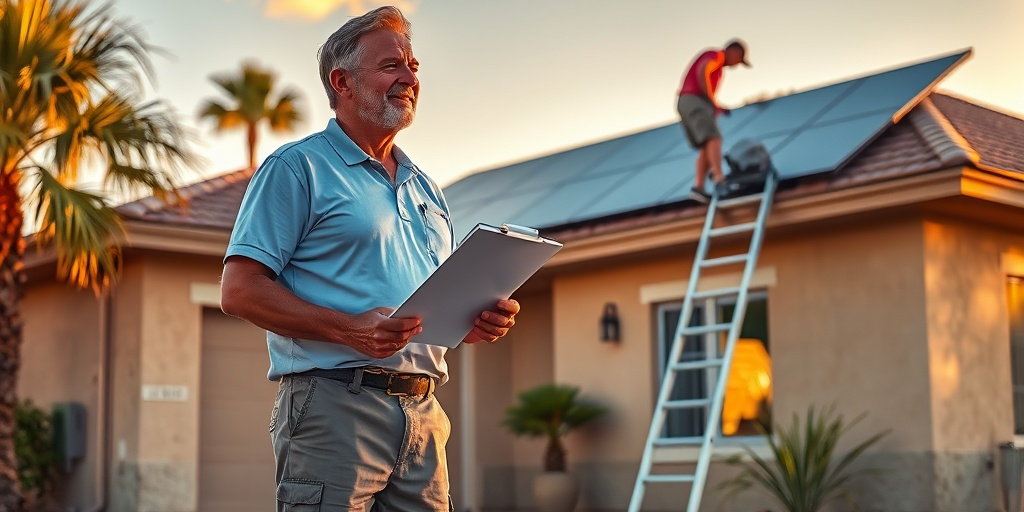
Warning: Solar Scams That Could Cost You Thousands. Imagine an enthusiastic salesman knocking on your door, promising you that going solar will free you from costly electric bills forever. You’re curious and intrigued, but you soon discover the deal is too good to be true. In 2025, as the solar industry expands and the pressure mounts to adopt renewable energy, unfortunately, so do the risks for Florida homeowners. With approximately 19% of Florida’s energy consumption coming from solar (Energy.gov), and incentives for solar investments rising, it can be easy to get swept up in the excitement. However, this enthusiasm also makes it the perfect opportunity for scammers looking to exploit unsuspecting residents. This blog aims to alert you to the potential dangers within the solar market, specifically targeting deceitful practices that could cost you thousands.
The reality is startling: just last year, a survey found that nearly 25% of consumers reported facing misleading sales tactics when exploring solar energy options (SolarReviews.com). In an era where renewable energy has become more accessible than ever, the urgency for homeowners to protect themselves against scams has never been more critical. Throughout this article, we will dive deep into five essential sections, including real-life nefarious examples, a comprehensive checklist for homeowners, common solar myths debunked, local insights relevant to Florida residents, and a technical analysis of current trends in solar technology. Protect your investment, streamline your solar journey, and ensure you don’t fall victim to these costly traps.
Understanding the Solar Landscape: Avoiding Common Pitfalls
As the solar movement pushes forward in Florida, it’s essential to be informed about the array of malpractices that shrewd scammers utilize to dupe potential solar buyers. Homeowners like Jessica Martinez from Tampa had her good faith shattered when she learned her “unbeatable” solar install would translate into crippling debt rather than savings. Despite signing a contract promising savings on electric bills, she faced hidden fees and poorly installed panels. Jessica’s experience highlights how not all solar options are created equal and how vital it is to discern trustworthy companies amid the clamor of competition.
- Step 1: Verify the Installer’s Credentials. Always check if your solar company is certified, accredited, and insured.
- Step 2: Read Reviews, Research, and Ratings. Utilize platforms like SolarReviews.com to see real experiences from past customers.
- Step 3: Ask for Written Estimates. Ensure you get transparent pricing and terms in writing before locking into a service.
- Step 4: Be Cautious of Lowball Offers. If it sounds too good to be true, it probably is; understand the average installation costs in your area.
- Step 5: Understand the Financing Options. Make sure you comprehend the terms, including interest rates and payment schedules, before signing anything.
The surge in the solar energy market—projected by the Solar Energy Industries Association to grow by another 15% in 2025—entices many to jump aboard. Yet this growth also means more operators in the field, including unscrupulous individuals vying for financial gain at your expense (SEIA.org). Be mindful of common myths that perpetuate refusal to acknowledge credible renewable practices.
Myth-Busting: Battling Misconceptions about Solar Power
Here are five prevalent myths that mislead Florida homeowners:
- Myth #1: Solar Energy is Only for Rich Homeowners. The reality is, solar financing options, tax credits, and incentives make solar more accessible than ever, particularly in Florida.
- Myth #2: Solar Panels are Too Expensive. Although upfront costs may seem daunting, solar panels can save you money long-term on electric bills, costing 70% less than they did a decade ago (Energy.gov).
- Myth #3: Solar Energy Doesn’t Work on Cloudy Days. Solar technology today is effective even in partial sunlight, and panels can still produce substantial energy, making Florida a natural fit.
- Myth #4: Once Installed, Solar Systems Require Little Maintenance. Regular inspections and maintenance are essential for peak performance and ensuring no hidden problems arise.
- Myth #5: All Solar Panels Are the Same. There are various types of panels, each with distinct efficiencies and warranties. Understanding these differences is vital to choosing wisely.
With such misconceptions lingering, it’s vital to consult reviews from reliable sources and homeowners who had genuine experiences. Additionally, Florida-specific statistics on the growing solar market and available incentives can aid users in navigating through the numerous options present.
Florida Insights: The Local Solar Landscape
Florida ranks as one of the top states for solar capacity, boasting tax incentives and local rebates designed to broaden solar access among residents. Unfortunately, these incentives often attract scammers. It is essential to be vigilant; consider examples from local homeowner panels who opted for attractive solar financing that led to unexpected rises in monthly bills.
- Incentives Exist, but Read the Fine Print: Understand your local laws in supporting solar initiatives, as they can vary significantly across counties.
- Community Reviews Are Crucial: Engage with local community groups on platforms like social media, asking relatable questions on reliable installers.
- Look for State Certification: Ensure any financing or installation reflects state-approved programs, minimizing the chance of falling prey to scams.
With approximately 1,108 megawatts of installed solar capacity just in residential homes, it’s clear that Florida homeowners are making the leap towards renewable energy (NREL.gov). However, prospective buyers must remain vigilant about potential financial pitfalls. Contacting local authorities or energy brokers can provide homeowners with appropriate pathways to discover trustworthy services.
Technical Deep-Dive: Analyzing Solar Systems and Technology
In seeking a sustainable energy future, understanding how solar energy systems function is crucial in making informed decisions. Many consumers dive into installations without grasping how panels, inverters, batteries, and billing processes intertwine.
- Solar Panels: Evaluate panel types, such as monocrystalline, polycrystalline, and thin-film, noting which is right for your home structure.
- Inverters: Understand how inverters convert solar energy into usable electricity and the difference between string inverters and microinverters.
- Batteries: Prospective users should assess whether storage solutions are appropriate for their energy use and whether incentives are in play.
The market has seen a significant push towards more efficient technologies, with transformations slated to deliver comprehensive energy systems for homes in even challenging climate scenarios. As you weigh your options, reflect on integration and scalability, ensuring your system remains adaptable to future advancements.
Next Steps for Florida Solar Buyers in 2025
Conducting solar business with intelligence is paramount for long-term success. Here’s a streamlined checklist to guide you on your journey:
- Step 1: Audit Your Electric Bill. Review past bills to determine how much energy you consume, aiding in selecting the suitable systems.
- Step 2: Research the Market. Check solar energy options both locally and nationally to find the best rates and services available.
- Step 3: Consult Solar Specialists. Seek out reputable firms known for their transparency and clarity in customer interactions.
- Step 4: Compare Financing Options. Explore both fixed-rate financing and lease options through a notable lender.
- Step 5: Conduct a Site Assessment. Understand your location’s unique solar potential and consider all variables affecting energy efficiency.
By systematically reviewing electric costs, conducting market research, and consulting certified professionals, prospective solar buyers can minimize errors that lead to financial loss. Explore more insights and resources by visiting floridaelectricandsolar.com.
While Florida homeowners are rapidly converting to solar energy, the landscape is fraught with potential hazards that could compromise investment. Our journey into the realm of solar energy scams highlights just how critical it is to educate yourself as you navigate such impactful decisions. By understanding common misrepresentations, evaluating local opportunities, and confirming technical details around options, you’ll be better prepared to make informed choices. The future of energy is bright for Florida; don’t let scams dim your path to sustainable living!
Ready to start your solar journey in 2025? Connect with a certified expert at floridaelectricandsolar.com today.
Related Articles
More insights about Solar Scams

Warning: Don’t Overlook These Solar Scams to Avoid

Don’t Miss This Critical Alert About Solar Scams

Don’t Ignore These Critical Solar Scams to Avoid
Ready to Go Solar?
Have questions about solar energy? Our experts are here to help you make the switch to clean, renewable energy.