
What to Know About Solar Panel Lifespan in Florida
Share:
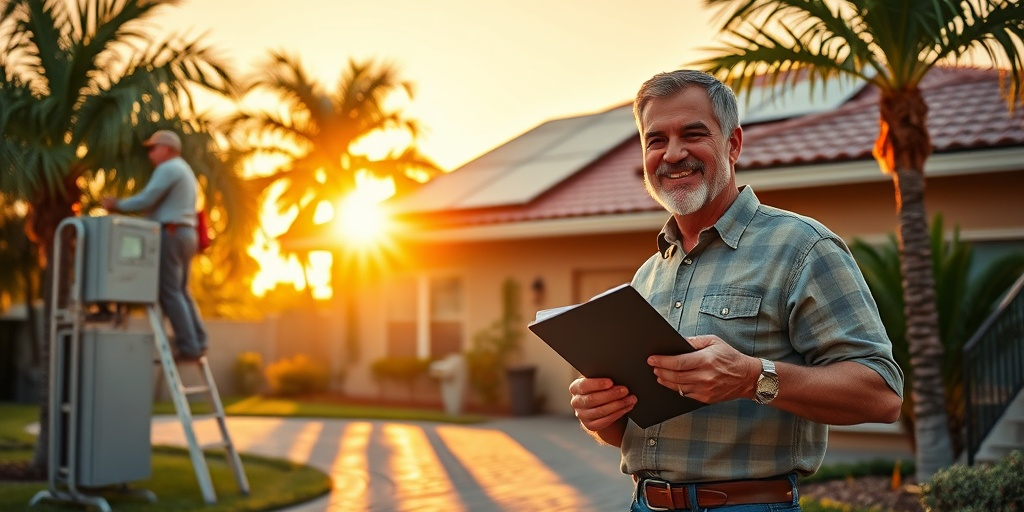
Imagine waking up and feeling the smoldering Florida sun on your face, knowing that the energy powering your home is entirely renewable and cost-effective. Solar panels have become a vital investment for Florida homeowners and businesses alike. As we approach 2025, understanding the lifespan of solar panels is crucial. In our article titled What to Know About Solar Panel Lifespan in Florida, we will explore not just how long solar panels last but what influences their longevity—ranging from installation quality to environmental factors. Did you know that on average, solar panels can last between 25 to 30 years, yielding significant savings on energy bills? Furthermore, the investment in solar energy can raise your property value by approximately $15,000 (SEIA.org). With rising energy costs and the introduction of new solar incentives, failing to educate yourself about solar longevity today could mean missing out on optimal savings and peace of mind in the near future.
In this post, we will journey together through five essential sections: we’ll start by diving deep into a compelling case study, guiding you through a checklist designed for maximizing your investment, busting some common myths, examining local specifics, and finally, providing a technical deep dive into the world of solar energy. Let’s get started!
Unveiling the Truth: A Deep Dive into Solar Panel Lifespan in Florida
Let’s first explore the real-life impact of solar panels through a compelling case study. Meet Maria, a homeowner from Sarasota, Florida. In 2020, she decided to invest in solar energy after years of fluctuating electric bills that left her feeling financially strained. Maria researched various solar companies, ultimately choosing Florida Electric & Solar due to their stellar customer reviews and commitment to quality installations.
Maria’s investment consisted of a 10-kilowatt solar panel system installed on her roof. What was particularly appealing to her was the promise of not just immediate savings but also a long-term reduction in energy bills. The average lifespan of her solar panels was projected to be around 25 years. The first year alone, her electricity savings amounted to $1,500, a significant relief amid rising utility costs.
- Solar Panel Quality: The type of solar panels chosen by Maria were Tier 1 panels known for their efficiency and reliability.
- Installation Precision: Impeccable installation reduced her system’s vulnerability to Florida’s harsh weather conditions.
- Warranty Coverage: Maria secured a 25-year product warranty, giving her even greater peace of mind.
As Maria observed, solar panels are meticulously designed to endure Florida’s weather, which can be both a blessing and a challenge. Consideration of factors such as UV exposure, humidity, and storm activity is essential. According to data collected by the NREL (National Renewable Energy Laboratory), in Florida, solar panels can perform about 16% more efficiently than the national average due to its sunny disposition (NREL.gov). But a good installation is paramount to longevity. Issues can arise from poor workmanship, low-quality materials, and neglect of regular maintenance.
Maximize Your Investment: Your Solar Panel Lifespan Checklist
To get the most out of your solar panels, paying attention to various factors is essential. Here’s a handy checklist to guide Florida homeowners as they embark on their solar journey:
- Step 1: Research Solar Providers – Look for companies with proven track records and customer testimonials. Seek those who offer comprehensive warranties and guarantees.
- Step 2: Analyze Panel Types – Invest in high-efficiency Tier 1 solar panels. While these might come at a premium, they often yield better long-term returns.
- Step 3: Optimal Installation – Ensure that installers are certified and familiar with Florida’s specific challenges. Pay attention to panel orientation and shading.
- Step 4: Regular Maintenance – Schedule routine inspections to clean the panels and check for damage after storms.
- Step 5: Monitor System Performance – Use apps or monitoring systems to check energy production and catch any potential problems early.
By following these steps, Florida homeowners can significantly extend the life of their solar panels while maximizing potential savings. The importance of quality installation cannot be overstated, as shown through Maria’s journey. A professional installation can prevent issues that arise from our state’s unique climatic conditions, such as hurricanes or high humidity.
Debunking Common Myths About Solar Panel Lifespan
There are many misconceptions surrounding solar panels that could deter homeowners from making the switch. Let’s debunk some prevalent myths to provide clarity:
- Myth #1: Solar Panels Only Last 10-15 Years – Many solar panels last 25-30 years, and some manufacturers even offer warranties up to 30 years (SEIA.org).
- Myth #2: Solar Panels are Useless in Bad Weather – While efficiency may decrease during cloudy conditions, panels can still generate energy. In fact, Florida’s mild winters often produce energy effectively.
- Myth #3: Installing Solar Panels Will Ruin My Roof – If installed by a qualified professional, solar panels can actually protect the roof and negate damage caused by weather exposure.
- Myth #4: Solar Panels Require Constant Maintenance – Regular maintenance is limited primarily to inspections and occasional cleanings, which most homeowners can manage or schedule as needed.
- Myth #5: Going Solar is Too Expensive – With various incentives available, including federal and state tax credits, the upfront costs have significantly diminished, making solar more viable for many homeowners.
Dispelling these myths can empower homeowners to see solar energy not just as a passing trend but as a viable long-term investment that can withstand the test of time. Each cleared misconception is a step closer to energy independence and substantial savings.
Florida-Specific Insights: Going Solar in the Sunshine State
For Floridians, the transition to solar energy presents unique opportunities and challenges. One of the most significant incentives was established through Florida’s net metering policy, allowing homeowners to sell excess energy back to the grid, effectively turning your rooftop into an energy-producing asset (SolarReviews.com). This policy creates a win-win situation, particularly in a state blessed with abundant sunshine.
- State Incentives: Florida homeowners can take advantage of a 26% federal tax credit through 2022, with a gradual decrease thereafter, making 2025 critical.
- Rising Energy Costs: With a steady increase in electricity prices forecasted, locking in a solar investment now helps shield against future spikes.
- Environmental Benefits: Going solar significantly reduces your carbon footprint, aligning with larger state goals surrounding sustainable energy.
- Boosting Home Value: Homes equipped with solar panel systems typically see an increase in resale value, often exceeding $15,000 (SEIA.org).
As we analyze Florida’s unique landscape, it becomes clear that the decision to invest in solar energy is timely and strategic. The demand for renewable energy sources continues to grow, positioning solar as a pivotal player in the state’s energy future.
Understanding the Technology: How Solar Panels Work
A technical deep dive into solar technology can illuminate how these systems perform over time and their composition. Solar panels primarily contain photovoltaic (PV) cells, responsible for converting sunlight into electricity. In Florida, where solar gains are substantial, the quality of materials used greatly influences longevity.
One of the primary factors determining how long solar panels last is the manufacturing quality. Higher-end panels boast better resistance to wear and degradation due to extreme weather. It’s also essential to understand the role of inverters, which convert the energy generated by solar panels into usable electricity. Inverters themselves have shorter life expectancies, generally lasting about 5 to 10 years, requiring replacements (DSIREUSA.org).
Regular performance monitoring helps identify issues with the entire system, including panel efficiency and inverter function. A study showed that solar panel performance can diminish about 0.5% per year over their lifespan (NREL.gov). As a result, annual performance checks are crucial to ensure they function efficiently as they age.
In summary, understanding the technology behind solar energy systems can provide homeowners with valuable insight into what contributes to the lifespan of their investment. It emphasizes the importance of selecting reputable brands and professional installers to protect against early failures and maximize savings.
Next Steps for Florida Solar Buyers in 2025
So you’ve decided to invest in solar energy—what’s next? Here’s a focused checklist to guide you through the remaining steps and set you on the path toward ensuring your investment pays off:
- Step 1: Audit Your Electric Bill – Begin by analyzing your energy consumption to ascertain how much solar capacity you’ll need.
- Step 2: Research Incentives – Investigate all available incentives, credits, and rebates specific to Florida.
- Step 3: Schedule Consultations – Speak with multiple solar providers, comparing their offerings and making informed decisions based on reputation and service.
- Step 4: Obtain Permits – Ensure your chosen company handles all permits and inspections to avoid hassles.
- Step 5: Monitor Performance – After installation, utilize monitoring technology to track your production and savings, and stay proactive about maintenance.
By meticulously following these steps, Florida homeowners can reduce friction in the installation process and ensure a smoother journey toward solar energy. Tracking system performance and staying up-to-date with maintenance will guarantee longevity and efficiency.
Conclusion
As we’ve explored in this comprehensive deep dive into the question of What to Know About Solar Panel Lifespan in Florida, we’ve arrived at vital insights that can empower homeowners to make informed decisions. Understanding the factors influencing the lifespan of solar panels—including technology, installation, and maintenance—offers Florida homeowners the chance to save significantly on energy bills and enhance property value. With the urgency of rising energy costs and evolving policies, now is the time to act.
Not only will embracing solar energy benefit your financial future, but it also contributes to a greener, more sustainable environment for generations to come. Don’t wait for 2025 to make the leap; explore the possibilities today!
Ready to start your solar journey in 2025? Connect with a certified expert at floridaelectricandsolar.com today.
Related Articles
More insights about Solar Panel

Florida Homeowners: Why Solar Panel Maintenance Is Essential

7 Essential Steps for Solar Panel Installation Success

Expert Insights: Key Factors Influencing Solar Panel Lifespan
Ready to Go Solar?
Have questions about solar energy? Our experts are here to help you make the switch to clean, renewable energy.