
What You Need to Know About Solar Panel Installation in Florida
Share:
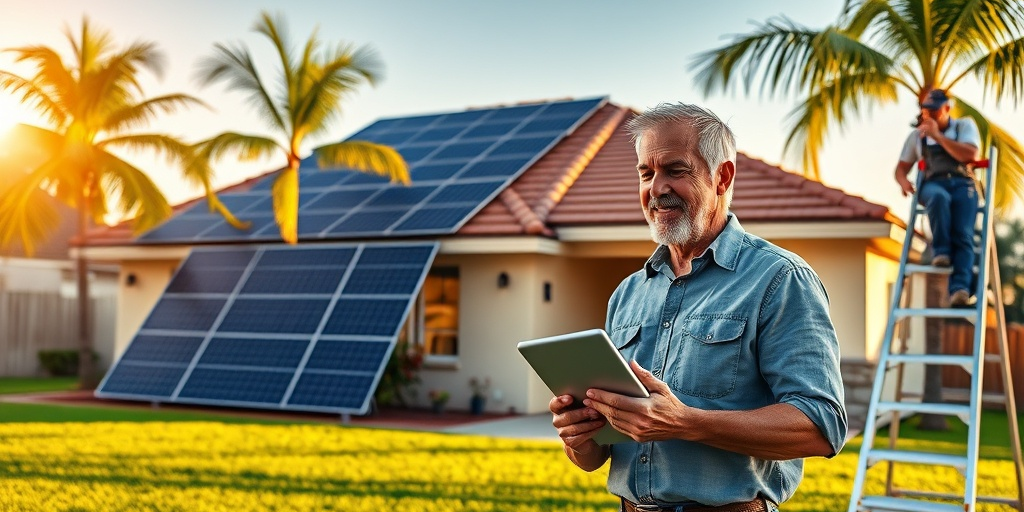
In the sunshine state, where the sun’s rays are abundant and the heat can be stifling, homeowners are increasingly drawn toward solar energy as a viable solution. Did you know that Florida ranks second in the U.S. for solar power capacity installed? In the last decade alone, Florida has seen an increase of over 1,200% in solar capacity, with more than 3.7 gigawatts (GW) of installed solar as of 2022 (SolarReviews.com). Yet, despite these impressive figures, many potential solar buyers remain skeptical about making the leap. Why? Common misconceptions, high installation costs, and concerns about efficiency linger in the minds of Florida homeowners. In 2025, these considerations are more pressing than ever, as rising energy costs, new solar incentives, and lingering grid instability push residents to contemplate their energy future more seriously than before.
This blog post, titled What You Need to Know About Solar Panel Installation in Florida, will provide you with the essential insights needed to effortlessly navigate this new energy landscape. With solar technology evolving at a rapid pace, staying informed can save you money and even protect the environment. This article is structured into five engaging sections: a deeper angled analysis of the local market, actionable checklists to ensure you make informed decisions, a myth-busting segment to address common concerns, best practices for installation, and an actionable plan tailored specifically for Florida homeowners. Join us on this journey to uncover everything you need to know about solar panel installation in Florida!
Understanding Solar Energy: What Does the Installation Process Entail?
When it comes to harnessing the sun’s energy, a clear roadmap will benefit you as you navigate the solar installation process. Many Florida homeowners have embarked on this journey, and understanding their experiences can better prepare you for what lies ahead. Let’s explore the challenges and triumphs of one hypothetical homeowner’s journey—meet Maria, a dedicated Florida resident who transitioned to solar energy.
**Case Study:** Maria’s Florida Solar Journey
Maria lives in a charming home in Jacksonville, Florida, where summers are long and hot. After receiving several alarming electric bills totaling over $300 a month, Maria began to consider solar energy. The decision wasn’t simple; she began her research by asking family, friends, and, crucially, professionals in the field. She quickly discovered a few key facts: over 70% of Floridians support solar energy initiatives (SEIA.org), and several state incentives could help reduce her installation costs. This motivated her to get serious about solar.
Maria researched the best solar panel systems, choosing a combination of rooftop solar panels and a battery storage system. Not only did this reduce her monthly electric expenses—leading to savings of up to $70 per month in the first year—but it also gave her security against the fluctuating energy costs that could impact her finances far into the future.
**Checklist for Florida Homeowners Considering Solar**
- Step 1: Evaluate your roof’s condition and orientation. A south-facing roof in good repair can maximize solar gain.
- Step 2: Calculate your energy needs. Look at past bills to understand how much energy your household consumes.
- Step 3: Research local incentives. Florida offers a net metering policy that can reduce your costs significantly (Energy.gov).
- Step 4: Hire a reputable installer. Look for Florida solar companies with solid reputations and a history of satisfied customers.
- Step 5: Keep an open line of communication. Understand the permit, installation, and inspection timelines to prevent any surprises.
**Myth-Buster: Debunking Common Misconceptions**
- Myth #1: Solar energy is too expensive. While installation costs have dropped significantly—by about 70% since 2010 (SolarReviews.com)—many financing options are available to homeowners.
- Myth #2: Solar panels will decrease property value. In fact, studies show that homes with solar systems sell for 20% more than those without (Energy.gov).
- Myth #3: Solar panels require too much maintenance. In Florida, panels are often self-cleaning due to heavy rains and do not require constant upkeep.
**Local Focus: Why Florida Needs Solar Energy**
Understanding the regional importance of solar energy is vital. Florida’s annual sunlight averages at over 5.5 kilowatt-hours (kWh) per square meter—making it one of the sunniest states in the country. This means that solar technology can perform exceptionally well in this area. With local initiatives like Solar Together, a community solar program, residents have ways to invest in renewable energy even if their homes aren’t suited for traditional rooftop installations (SEIA.org).
**Technical Deep-Dive: The Nuts and Bolts of Solar Installation**
Before you decide on the specifics of your installation process, it’s essential to understand the types of systems available. High-quality solar panels—from monocrystalline to polycrystalline—perform differently based on efficiency and cost. Additionally, consider the inverter’s technology, which converts the solar power into usable electricity. Proper storage solutions, such as batteries, can also help you use power during peak times, avoiding expensive energy charges (Energy.gov).
As you explore installation and equipment, transitioning to solar energy could not only enhance your household’s energy independence but also contribute positively to the environment.
Now that you have a thorough understanding of the solar installation process, let’s shift gears and discover best practices for installations that maximize your investment.
Moving Forward: Best Practices for Maximizing Your Investment
Understanding best practices can enhance your solar energy experience significantly. With solar technology continuing to improve rapidly, Florida homeowners need to navigate their options wisely. Here are five expert tips that can help maximize your solar investment in 2025.
- Don’t Skimp on Panel Placement: Position your panels where they will receive maximum sunlight exposure. Avoid shaded areas from trees or roofs that may impede energy gain.
- Choose the Right Installer: Selecting a local, experienced installer can impact your system’s efficiency and longevity. Ask for customer reviews and check credentials.
- Consider Your Energy Needs: Analyze your current energy usage patterns and how a solar installation will reduce costs. Look into efficient appliances to enhance energy use.
- Stay Informed on Incentives: Florida offers various financing and tax incentives to encourage solar installation. Make sure you leverage these to reduce overall costs.
- Monitor Your System Regularly: Investing in monitoring software can help you manage efficiency and catch any problems early on. This way, you can optimize energy output consistently.
As of 2023, Florida homeowners are increasingly opting for solar, with approximately 900,000 residential systems in place across the state (SEIA.org). By being mindful of these best practices, you can enhance your solar experience and make the most of incentives tailored for 2025.
Next, let’s take a look at a more emotionally driven narrative to see how solar energy can truly transform a homeowner’s life.
The Emotional Journey of Going Solar: A Floridian’s Perspective
Stepping into solar energy can feel overwhelming for many, but understanding those emotional touchpoints is crucial. Imagine a young family living in Tampa, led by David and Sarah, who had always dreamed of a sustainable future for their children. After weeks of deliberation, they decided to explore the solar energy route, hoping to cut down their utility bills and reduce their carbon footprint.
The journey wasn’t without its challenges—David struggled with the potential upfront cost initially, a common concern among homeowners. However, after attending a local community workshop, he learned about both state and federal incentives available for solar energy that significantly reduced their installation costs. They realized they could offset most of their initial costs through the Florida Solar Renewable Energy Credit program and net metering policies, which further motivated their decision-making process (SEIA.org).
Now fueled with optimism, David and Sarah decided to proceed. They chose high-efficiency solar panels, and the positive impact was immediate. They reported a 30% reduction in their monthly electric bill, which translated into positive family experiences—more weekends out enjoying the sunshine instead of fretting over bills.
Here are some benefits they’ve experienced since going solar:
- Reduced energy bills, allowing more budget for family outings.
- A heightened sense of environmental responsibility for their children.
- Increased property value—potential buyers are drawn to the home’s renewable energy source.
- A deeper connection with the community through local solar advocacy initiatives.
This journey not only transformed David and Sarah’s financial outlook but also solidified their role as champions of sustainability. It serves as a heartwarming reminder of the potential solar energy holds—not just for oneself, but for generations to come.
With insights from both practical and emotional perspectives, it is now time to take a direct look at how to begin your solar journey in 2025.
Next Steps for Florida Solar Buyers in 2025
Preparing to go solar can feel like an overwhelming task if it’s your first venture into renewable energy. But it doesn’t have to be! Through a concise action plan, you can embark on your solar journey with confidence. Let’s break down the steps you should follow to ensure a smooth transition.
- Step 1: Audit Your Electric Bill. Review your recent electric bills to identify patterns in usage. Understanding your monthly lows and highs is critical in sizing your solar system.
- Step 2: Research Local Installers. Make a list of potential solar companies. Look for certified installers with excellent local reputations and customer service records. Check their credentials and ask about warranties on their products and services.
- Step 3: Schedule a Consultation. Contact at least three local installers for consultations. They should assess your property, review your energy needs, and provide detailed proposals.
- Step 4: Understand Financing Options. Explore available incentive programs offered through state or federal initiatives to fund your transition. Research loans, leases, and power purchase agreements, ensuring whichever you select suits your financial situation best.
- Step 5: Get Started! Once you have selected an installer and finalized the details of your system, schedule your installation. Enjoy a cleaner, more sustainable source of energy that empowers you.
With these steps in mind, you can navigate through Florida’s solar energy landscape securely and confidently. Enough knowledge is available to protect yourself from costly mistakes and to make informed choices today. Moving forward, if you have questions or need expert guidance tailored to your situation, consider connecting with an installation expert through floridaelectricandsolar.com.
In conclusion, transitioning to solar energy can be an empowering and transformative decision for Florida homeowners. With rising energy costs, available incentives, and increasing environmental awareness, now is the perfect time to explore solar solutions. With the vital information provided in this guide, you can avoid common pitfalls and make informed choices that benefit not only your household but your community too. Your family’s future and the planet’s health depend on the decisions you make—why wait to embrace solar energy?
Ready to start your solar journey in 2025? Connect with a certified expert at floridaelectricandsolar.com today.
Related Articles
More insights about Solar Panel

Florida Homeowners: Why Solar Panel Maintenance Is Essential

7 Essential Steps for Solar Panel Installation Success

Expert Insights: Key Factors Influencing Solar Panel Lifespan
Ready to Go Solar?
Have questions about solar energy? Our experts are here to help you make the switch to clean, renewable energy.