
What You Need to Know About Solar Panel Lifespan
Share:
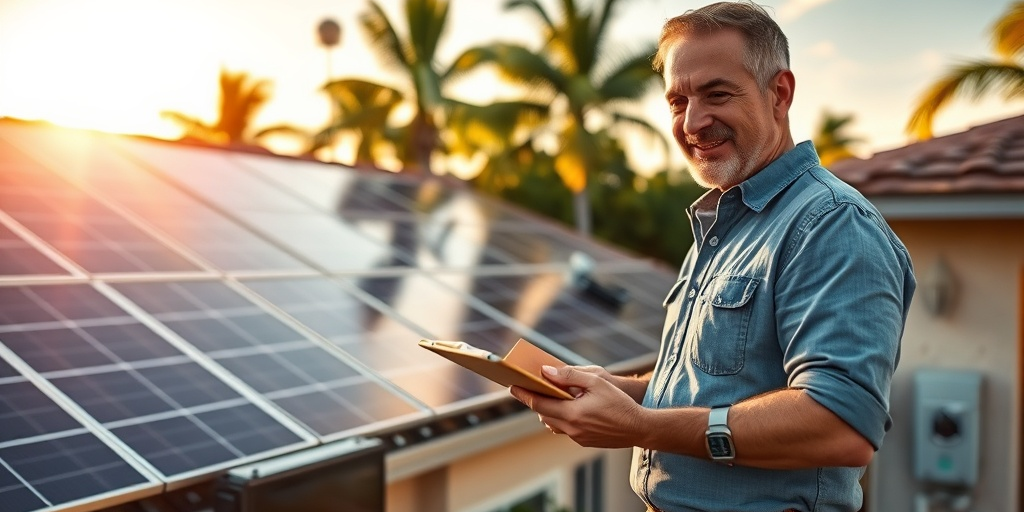
The sun casts its golden rays over Florida, capable of powering homes, businesses, and our dreams. Did you know that most solar panels have a lifespan of about 25 to 30 years? This remarkable longevity impacts your investment significantly. As homeowners in the Sunshine State consider moving toward solar energy, understanding the solar panel lifespan emerges as a pivotal factor in maximizing energy savings. What do you really need to know about solar panel lifespan? In 2025, as energy costs continue to soar and reluctance toward fossil fuels grows, the urgency to make informed decisions about solar presents itself to Floridians looking to navigate the power landscape effectively. This blog, titled What You Need to Know About Solar Panel Lifespan, aims to equip you with crucial insights so you can confidently embrace solar energy. Here’s what you can expect in the upcoming sections: a case study showcasing a Florida homeowner’s transition to solar; a detailed checklist for sustainable installation; common myths surrounding solar panels debunked; a local focus on Florida-specific statistics and incentives; and a technical deep-dive into the components that make up these efficient systems. Buckle up and prepare to dive deep into the world of solar energy!
Understanding the Real Longevity of Solar Panels
Imagine the anticipation of fresh Florida mornings with the new energy savings glimmering in your eyes while sipping coffee on the porch. Meet Laura, a hypothetical homeowner in Miami who decided in 2025 to switch to solar power. Like many other Florida residents, Laura faced rising electricity bills that seemed to grow with each passing month. When she researched solar panels, she found conflicting information about their lifespan, durability, and overall value. Thankfully, she discovered that the typical lifespan of solar panels used in Florida is about 25 to 30 years, and that many manufacturers offer warranties lasting anywhere from 20 to 25 years. However, Laura was determined to find ways to maximize her solar energy investment.
Here’s what Laura learned: as advancements in technology evolve, so too does the efficiency of solar panels. The latest modules are more capable of producing energy at higher performance standards than those produced just ten years ago. In fact, some cutting-edge panels can exceed a 22% efficiency rate, translating to cost savings and more energy generation for her home. What can Florida homeowners like Laura do to make an informed choice about solar and understand how long they can rely on this technology?
- Step 1: Research reputable solar companies, like Florida Electric & Solar, that offer quality panels with solid warranties.
- Step 2: Ask questions about the specific lifespan of the panels and check performance metrics.
- Step 3: Understand maintenance requirements, as proper care can extend your panel system’s lifespan.
- Step 4: Monitor energy production to ensure everything remains efficient throughout the years.
- Step 5: Familiarize yourself with state and federal incentives to further enhance your savings.
As Laura embedded solar into her home, she learned to focus on maximizing both the energy savings and reliability of the system. However, some widespread myths clouded the perception of solar technology. Here are a few she needed to clarify:
- Myth #1: “Solar panels fail after 5-10 years.” While wear and tear occur, most modern panels come with 20-25 year warranties ensuring their efficiency.
- Myth #2: “You need full sun for solar panels to work.” Panels function even on cloudy days; they merely operate at a lower capacity.
- Myth #3: “Solar panels are not worth the initial installation cost.” With average savings increasing over decades and incentives available, they pay for themselves.
Laura’s experience reflects the journey of many Florida homeowners willing to embrace the future through solar energy. The reality is that the right information can make all the difference when assessing the longevity and effectiveness of solar panels.
The Solar Panel Investment Checklist
When diving into the world of solar, preparation is vital. Here’s a well-structured checklist to empower Florida homeowners in their solar journey.
- Step 1: Audit Your Energy Usage
Begin by evaluating your electricity bill and understanding your current usage. This fundamental step helps you determine the size and capacity of the solar system needed to meet your energy demand. - Step 2: Research Solar Options
Explore various types of solar panels. Monocrystalline, polycrystalline, and thin-film panels have distinct advantages. Find a reputable installer with access to high-quality brands. A good comparison resource is the Florida Electric & Solar site. - Step 3: Explore Incentives and Rebates
Take advantage of federal tax credits and state-sponsored incentives that can significantly reduce the upfront cost of installation. Florida homeowners can often receive up to 26% off their solar investment. - Step 4: Understand Financing Options
Look into various financing pathways, such as leases, loans, or purchase agreements. Determine which approach aligns best with your financial situation and long-term goals. - Step 5: Schedule an Installation
Once you’ve made your choices, schedule an appointment with a trusted installer. Ensure they conduct a thorough site assessment and provide all the necessary documentation.
This checklist is key for every Florida homeowner making the transition to solar energy. Remember, the growth in solar technology positively influences the overall savings available, as cutting-edge systems will drive utility costs down year after year.
Myth-Busting Common Misconceptions About Solar Energy
In a landscape ripe with information, myths often linger like clouds that obscure the sun’s rays. Let’s debunk some pervasive misconceptions affecting potential solar buyers in Florida.
- Myth #1: “Solar energy isn’t efficient in rainy or cloudy weather.”
In actuality, solar panels operate effectively even when sunlight is diffused. Energy can still be produced, boosting homeowners’ savings while saving them from utility bills (Energy.gov). - Myth #2: “Solar installation is too expensive for the average homeowner.”
With financial incentives, the average price of solar installations has decreased significantly—by approximately 70% since 2010, making it more accessible than ever (SEIA.org). - Myth #3: “All solar panels are the same.”
Not all systems provide the same quality and efficiency, ranging from different wattage outputs to varying performance warranties. Choosing a reputable provider ensures high-quality components. - Myth #4: “You can’t go solar without a sunny roof.”
Even if the roof isn’t ideal, alternatives such as ground-mounted systems are available for homeowners with spacious yards. Solar options are increasingly versatile. - Myth #5: “Once installed, solar systems require significant maintenance.”
Most systems require minimal maintenance beyond periodic cleaning and inspections, ultimately backing the longevity of investment.
Clearing these myths will empower countless Florida homeowners facing choices about solar investments. The solar industry is thriving, with its research, development, and technology propelling Florida toward cleaner and more sustainable energy solutions.
Local Focus on Florida’s Solar Opportunities
Florida, being the Sunshine State, is uniquely positioned to benefit from solar energy advancements. The state’s rich solar resources can empower homeowners, making them truly energy independent. According to the Solar Energy Industries Association, Florida has the potential to generate enough solar energy to power 8 million homes by 2030 (SEIA.org).
As you consider investing in solar power, keep these Florida-specific statistics in mind:
- Florida ranks 2nd in the nation for installed solar capacity, following California, with over 6,000 megawatts of solar energy deployed across the state.
- Homeowners can often access a 30% federal tax credit for their solar installations, significantly lowering the initial cost.
- As of 2025, the average solar panel efficiency in Florida has increased, producing up to 415 watts per panel compared to 320 watts in 2015.
With initiatives like the Florida Solar Program, homeowners can receive grants for solar installations, resulting in thousands saved each year. Additionally, through net metering, any excess energy produced can be sent back to the grid, allowing homeowners to offset costs further. It is crucial to understand how government initiatives and incentives can reduce the cost of solar energy and make it accessible for your home. Understanding the local landscape will clarify the solar investment’s return annually.
Next Steps for Florida Solar Buyers in 2025
As you stand poised on the brink of opportunity, let’s sort through some actionable next steps that can facilitate your solar journey.
- Step 1: Audit Your Electric Bill
Begin by tracking your monthly electricity consumption for at least one year. This insight helps you comprehend your usage patterns and enables you to size your system optimally. - Step 2: Research Your Solar Options
Explore various panel types, energy storage systems, and installation methods. Familiarize yourself with leading brands and warranties offered in the market. - Step 3: Calculate Potential Savings
Use online calculators to estimate potential energy savings based on your current usage and local utility rates to gauge how much money you could save after installation. - Step 4: Get Multiple Quotes
Reach out to at least three local solar installers for quotes. This approach helps you compare prices, warranties, and equipment makes and models. - Step 5: Stay Informed About State Incentives & Rebates
Regularly check the Florida solar incentives offered and any potential changes in government solar policies that may impact your investment.
Each of these steps holds the power to connect you to an energy future of independence, sustainability, and savings. Your proactive approach can sculpt a clearer path toward adopting solar energy during this crucial time.
Conclusion
Understanding the solar panel lifespan is just the beginning of a transformative journey for Florida homeowners and commercial property owners alike. From assessing side-by-side financial benefits to understanding the electrical power structure, navigating this landscape is crucial as energy prices escalate and environmental consciousness increases across the state. As we step into 2025, now is the time to seize the moment and create a personal commitment to renewable energy through solar power.
Throughout this extensive article, we’ve covered a wealth of pivotal information regarding solar panel lifespan, explored common myths, and established actionable steps all Florida homeowners should take. Remember, investing in solar energy isn’t just about cutting costs; it’s also an opportunity to contribute to a more sustainable future. The sun shines brightly on Florida, and now is the ideal time to harness its power. Ready to start your solar journey in 2025? Connect with a certified expert at floridaelectricandsolar.com today.
Related Articles
More insights about Solar Panel

Florida Homeowners: Why Solar Panel Maintenance Is Essential

7 Essential Steps for Solar Panel Installation Success

Expert Insights: Key Factors Influencing Solar Panel Lifespan
Ready to Go Solar?
Have questions about solar energy? Our experts are here to help you make the switch to clean, renewable energy.