
What You Should Know About Solar Panel Installation Options
Share:
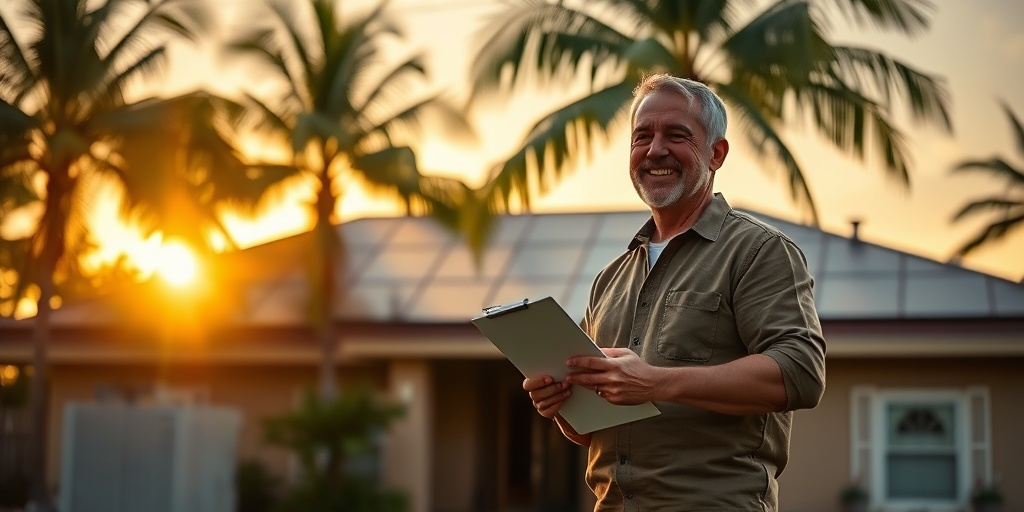
As the sun rises over Florida’s beautiful coastlines and sprawling cities, more homeowners are turning their gaze toward the solar horizon—a trend that is poised to accelerate in 2025. Did you know that, according to recent studies, solar power installations are set to increase by nearly 45% nationwide in just two years? This surge is driven by a combination of rising electricity costs and new incentives aimed at making solar accessible for everyone (SEIA.org). Are you considering tapping into the power of the sun for your home or business? If so, you’ve come to the right place. In this comprehensive piece titled What You Should Know About Solar Panel Installation Options, we’ll explore key insights about solar panel installation options to guide your choice.
But why does this issue matter now? In 2025, soaring energy prices and increasing climate change awareness will make solar energy not only a feasible option but also an urgent necessity for many Floridians. As we forge ahead into this renewable energy revolution, understanding your choices could save you significant costs in the long run while also contributing positively to the environment. This guide will help you navigate the essential factors to consider with solar installations.
In the sections that follow, we will cover the following topics:
- An in-depth case study showcasing the solar journey of a Florida homeowner
- A checklist detailing five actionable steps to kickstart your solar transition
- Myth-busting common misconceptions about solar energy
- A local focus discussing Florida-specific policies and incentives
- A technical deep-dive into solar technology and billing
Let’s dive into the heart of solar panel installation options—understanding what they are, how they work, and how to choose the best solution for your needs.
The Solar Journey: A Case Study of Emily and Michael
Meet Emily and Michael, a couple from Orlando who took the plunge into solar energy. Feeling increasingly frustrated by their escalating electricity bills and eager to enhance their home’s value, they decided in early 2023 to explore their options for solar panel installation. Like many Floridians, they had several questions swirling in their minds: How much would it cost? What kind of system should they choose? Would they really see savings on their energy bills?
First, they sought expert advice, connecting with a local solar company for a free consultation. To their surprise, they learned that in Florida, renewable energy credits could offset their initial investment significantly, allowing them to finance their system with low monthly payments (SolarReviews.com). By calculating their projected savings over the years, they began to see the light at the end of the tunnel.
After an extensive assessment and consultation, Emily and Michael opted for a 10kW rooftop solar system, coupled with a battery storage solution to maximize their energy savings during peak usage hours. The installation took only two days and was a smooth process thanks to their chosen provider’s expertise. Checklist for Solar Installation: Let’s break down the essential steps that Emily and Michael followed:
- Assess Energy Needs: Understanding your energy consumption is crucial. Review your past utility bills to get an accurate picture.
- Research Financing Options: Explore different financing options from loans to leasing. Florida offers various incentives to reduce upfront costs.
- Choose the Right Installer: Look for local providers with solid reputations. Ask for reviews, customer testimonials, and certifications.
- System Design: Discuss with your installer which system—grid-tied, off-grid, or hybrid—fits your needs best.
- Installation Day: Prepare for fast and efficient installation with minimal disruption. Remember, the end goal is your energy independence!
Today, they not only enjoy significantly reduced electricity bills but also bask in the pride of contributing to a sustainable future by choosing renewable energy. Stories like Emily and Michael’s are becoming more common as Florida homeowners realize the immense benefits of solar energy.
But despite these advantages, some misconceptions still persist. Let’s address them.
Common Solar Misconceptions: Myth-Busting
When considering solar panel installation options, many homeowners are haunted by common myths. Let’s debunk these misconceptions one by one.
- Myth #1: Solar panels are too expensive. While the initial investment may seem daunting, available tax credits and financing options provide substantial savings, making solar installation more affordable than ever (Energy.gov).
- Myth #2: You need to live in a sunny area for solar to be effective. Florida’s natural sunlight indeed offers great potential, but modern solar panels can still generate energy even on cloudy days, providing consistent power year-round.
- Myth #3: Solar panels require too much maintenance. In reality, solar panels need minimal upkeep. A simple wash once or twice a year is typically all that’s required to keep them functioning at peak performance.
- Myth #4: Energy from solar panels is not enough to power your home. With innovations in solar technology, you can install systems that produce energy capable of covering a significant portion or even all of your electrical needs.
- Myth #5: Solar energy lowers home value. Contrary to this belief, solar panels can raise your property’s value as eco-friendly homes become increasingly desirable (NREL.gov).
Next, we’ll explore Florida-specific statistics that highlight the region’s booming solar potential.
The Florida Focus: Why Go Solar?
Florida is often dubbed the Sunshine State for a reason: it has one of the highest solar potentials in the country. According to recent findings, the utility-scale solar market in Florida grew by over 20% in 2022 alone, making it one of the top states in the nation for solar capacity (SEIA.org). More importantly, Florida homeowners can benefit from a suite of state incentives, including the Florida Solar & Energy Loan Program, which allows for low-interest loans to finance solar projects.
As a homeowner in Florida, you are taking the right steps by considering solar energy. The statistics reveal a growing demand and increasing awareness about renewable energy options:
- With over **98,000** installs representing a collective capacity of **4.5 GW**, Florida’s solar market leads the Southeast region (SEIA.org).
- In 2025, solar is projected to power **5 million** homes across the U.S., a substantial amount of which will come from Florida-based installations
- Property tax exemptions and sales tax exemptions on solar equipment remain in effect, providing additional cost benefits for Florida solar customers.
With these local incentives, coupled with an increasing number of financing options, transitioning to solar energy is not only feasible—it’s a smart investment. Understanding the financing landscape will empower you to make the best choice.
5 Expert Solar Installation Tips for 2025
Transitioning to solar energy is not just about installing panels; it’s about making informed decisions that will impact your energy consumption for decades. Here are five expert tips to consider for solar installation in 2025:
- Don’t rush the planning phase: Take your time to research various installers, types of systems, and financing options. Ensuring you have a solid understanding of your choices can lead to better long-term results.
- Invest in quality equipment: While it may be tempting to go for the cheapest option, high-quality solar panels may yield better efficiency and longevity, ensuring you’re covered for years to come.
- Consider battery backups: Having battery storage can provide energy during outages and allow you to maximize savings by storing excess energy for later use (Energy.gov).
- Maximize roof space: Be strategic about where to install your panels. Consult with your installer to identify optimal panel placement for maximum energy production.
- Stay informed: Keep yourself updated on Florida legislation affecting solar energy. Policies can shift, and knowing how these changes may impact your investment can save you money.
Having these tips in mind will empower you to navigate the solar world with confidence, giving you a strategic advantage in your energy transition.
Next Steps for Florida Solar Buyers in 2025
Ready to embark on your solar journey? Here’s a streamlined action plan to get you started on your way to harnessing Florida’s abundant sunshine:
- Audit Your Electric Bill: Review your recent energy bills to assess your average usage and costs. Understanding your consumption habits will help in sizing the right solar system for your needs.
- Research Local Incentives: Look into grants, tax credits, and other financial incentives that could make solar installation more affordable. Be sure to check the latest updates available from your local authorities.
- Schedule Consultations: Reach out to reputable local solar companies to get assessments and quotes.
- Compare Financing Options: Evaluate different payment plans that work for your budget, e.g., cash purchase vs. financing vs. leasing.
- Schedule Your Installation: Once you’ve completed the above steps and selected an installer, it’s time for installation—transforming your vision into reality.
For more resources and expert advice on making your solar transition easy and straightforward, visit floridaelectricandsolar.com.
Conclusion: Embrace the Solar Future
As we’ve seen, understanding solar panel installation options is vital for every Florida homeowner and commercial property owner looking to cut costs, enhance property value, and contribute positively to the environment. From the inspiring stories of individuals like Emily and Michael to the debunking of myths, you know what steps you need to take as you move towards adopting solar energy. The data reveals that 2025 will be pivotal for the solar landscape in Florida, filled with opportunities to maximize savings and embrace renewable energy solutions.
Don’t wait until it’s too late. The time to invest in solar power is now. Your journey toward energy independence can lead to significant financial savings, environmental benefits, and an enriched lifestyle. Make the commitment today.
Ready to start your solar journey in 2025? Connect with a certified expert at floridaelectricandsolar.com today.
Related Articles
More insights about Solar Panel

Florida Homeowners: Why Solar Panel Maintenance Is Essential

7 Essential Steps for Solar Panel Installation Success

Expert Insights: Key Factors Influencing Solar Panel Lifespan
Ready to Go Solar?
Have questions about solar energy? Our experts are here to help you make the switch to clean, renewable energy.