
What You Should Know About Solar Panel Lifespan in Florida
Share:
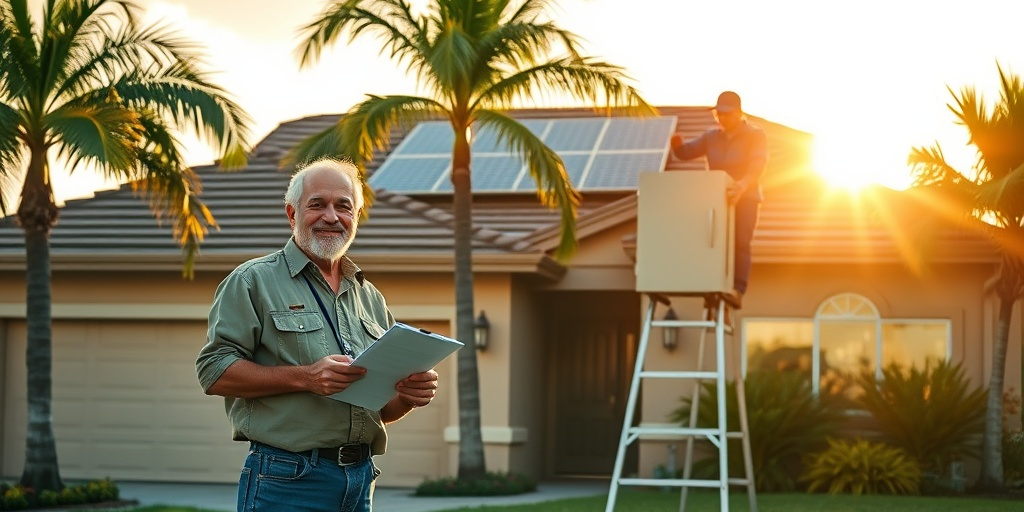
In the sunshine state of Florida, solar energy represents a powerful promise for homeowners and business owners alike. Did you know that solar panels can last anywhere from 25 to 30 years? This staggering statistic underscores the importance of understanding solar panel lifespan, particularly as Florida navigates rising energy costs and the urgency for sustainable solutions in 2025. With a solar market that has grown exponentially, Florida has become a leader in the adoption of solar technology, with over 20% of homeowners now considering solar installations to cut electric bills (SEIA.org). As you delve into “What You Should Know About Solar Panel Lifespan in Florida,” you’ll discover how longevity impacts your savings and the efficiency of your investment. This topic is vital as energy generation becomes increasingly dependent on renewable resources to ensure grid stability and lower carbon footprints.
In this guide, we will cover five essential sections: Firstly, we will explore a case study of a Florida homeowner who invested in solar panels. Next, we will present a checklist for ensuring your solar system has a long and efficient lifespan. Following that, we will debunk some common myths surrounding solar technology. In our fourth section, we’ll focus specifically on Florida’s unique climate and policy landscape affecting solar energy. Finally, we will take a deep dive into the technical aspects of solar technology, including system components and maintenance practices. Now, let’s jump right into it!
Understanding Solar Panel Lifespan: A Case Study from Florida
Meet Sarah, a proud homeowner located in sunny Gainesville. In 2022, Sarah decided to install solar panels on her roof, motivated by the rising costs of electricity and a desire to reduce her carbon footprint. Initially, Sarah had a flurry of questions about the durability of solar panels and how long they could serve her. After thorough research, she learned that most solar panels come with a warranty period of 25 years, guaranteeing they will produce at least 80% of their rated output after that time span (SolarReviews.com).
Sarah’s decision was based on several facts: solar energy production is expected to remain cost-effective, even with predicted energy price hikes of up to 20% by 2025 (Energy.gov). Additionally, Florida ranks as one of the top states for solar use, with the potential to power over 7 million homes through the effective deployment of solar panels (SEIA.org).
Once her solar installation was complete, Sarah quickly noticed a decrease in her monthly electricity bills. Within just three years, she saved enough on her utility costs to cover most of her initial investment in solar panels. This case illustrates both the financial viability and the long lifespan of solar systems in Florida, showcasing their potential for long-term benefits. But what steps should Sarah—and others like her—take to ensure their solar panels last as long as possible? Let’s break it down in our checklist.
Your Essential Checklist for Long-Lasting Solar Panels
Ensuring the longevity of your solar energy system is key to maximizing your return on investment. Below are five actionable steps to guarantee that your solar panels remain efficient and effective for decades.
- Step 1: Choose Quality Solar Panels – Investing in high-quality solar panels and inverters is crucial. Opt for panels from reputable manufacturers that offer lengthy warranties. A good range to look for is 25 years for panels and 10 to 15 years for inverters.
- Step 2: Schedule Regular Maintenance – Your solar panels should receive yearly maintenance checks. This includes inspections of mounting hardware, cleaning panels, and replacing any parts showing wear and tear.
- Step 3: Understand Local Climate Factors – Florida’s weather can impact your solar system’s performance. Ensure your panels are rated for high humidity and have anti-corrosive materials, especially in coastal areas.
- Step 4: Invest in a Monitoring System – Employ a monitoring system that tracks the performance of your solar panels. This way, you’ll quickly spot any drops in energy production and address any issues promptly.
- Step 5: Know Your Solar Power Needs – Regularly assess and adjust your energy consumption needs. This allows for more tailored upgrades to your solar system as needed, enhancing its lifespan and efficiency.
By conscientiously following this checklist, Florida homeowners can enjoy the full benefits of their solar investments for many years to come. Now let’s uncover some of the myths surrounding solar panels—what are the common misconceptions, and how can we debunk them?
Myth-Busting Your Solar Concerns
When it comes to solar energy, misinformation can lead to many misconceptions which may dissuade potential users. Here are some common myths and the facts that dispel them.
- Myth #1: Solar Panels Are Ineffective in Cloudy Weather – Truth: Solar panels can still generate electricity even on overcast days, though at a reduced rate. They utilize diffused sunlight just as efficiently as direct sunlight.
- Myth #2: Installing Solar Panels Is Too Expensive – Truth: While initial costs can be significant, the long-term savings on energy bills—with federal tax credits and state incentives—make solar installations financially practical for most homeowners (SEIA.org).
- Myth #3: Solar Panels Require Constant Maintenance – Truth: Solar panels are low-maintenance. Regular inspections and cleaning a couple of times a year are typically all that’s needed to ensure they’re functioning properly.
- Myth #4: Solar is Only for Homeowners – Truth: Businesses can benefit greatly from solar installations. Many commercial properties are making the leap due to substantial long-term savings and sustainability commitments.
- Myth #5: You Can’t Run Your Home on Solar Alone – Truth: With proper planning and if paired with storage solutions, solar systems can power a home completely, especially during daylight hours (Energy.gov).
By debunking these myths, Florida homeowners can make informed decisions about adopting solar energy. So, how does Florida’s specific landscape—from regulations to incentives—impact solar energy adoption? Let’s take a closer look.
Florida’s Unique Solar Landscape: Local Focus
The Sunshine State is not only aptly named but also stands strong in policies and initiatives that promote solar energy. As of 2025, Florida ranks third nationally in solar energy production, behind only California and Texas (SEIA.org). This rapid growth is fueled by state policies designed to increase solar adoption, including the availability of property tax exemptions for solar installations, which makes it easier for homeowners to switch.
Here are a few key pieces of information that highlight Florida’s commitment to solar energy:
- Currently, Florida offers a 100% exemption on property taxes for solar equipment, meaning your solar installations won’t add to your property tax burden.
- State programs, like the Florida Power & Light’s Solar Together program, allow customers to engage in community solar—providing benefits even to those unable to install panels on their properties.
- Citing a 2023 report, Florida homeowners can save an average of $20,000 over 25 years with optimal solar installations (SolarReviews.com).
Considering these factors, Florida homeowners have compelling reasons to consider solar power as a long-term investment in their homes, financial future, and the environment. Now let’s delve deeper into the technical aspects of solar energy systems to understand how they work and what homeowners should keep in mind.
A Deep Dive into Solar Technology
Understanding the technical components of a solar system can empower homeowners as they consider their energy options. A typical solar energy solution involves three main components: solar panels, inverters, and battery storage.
Solar Panels: These are the heart of the solar system. Most panels are made from crystalline silicon, which is known for its efficiency in converting sunlight into electricity. They operate through photovoltaic cells that absorb sunlight and generate direct current (DC) electricity.
Inverters: Once the solar panels have generated electricity, it needs to be converted into alternating current (AC) for use in homes. This task is handled by the inverter. It’s crucial to select high-quality inverters, as they significantly affect overall energy efficiency and durability.
Battery Storage: Adding a battery storage system enables homeowners to store excess energy generated during sunny days, providing power during nighttime or cloudy periods. This system becomes vital in the case of energy shortages or power outages.
Florida homeowners should also note the importance of thorough system sizing. Underestimating power needs can lead to insufficient energy generation, while overestimating can lead to unnecessary costs. Consult with professionals to assess your unique household energy requirements, ensuring that your solar solutions are tailored to fit your specific needs.
Next Steps for Florida Solar Buyers in 2025
As we arrive at the final steps in your solar buying journey, it’s time to take actionable steps forward. Transitioning to solar power in Florida may seem daunting, but breaking it down can reduce the friction often associated with such decisions.
- Step 1: Audit Your Electric Bill – Start by reviewing your past energy bills to understand your current usage patterns. This information is crucial for determining the size of the solar system needed to meet your energy demands.
- Step 2: Research Local Incentives – Dive deeper into Florida’s tax credits and financing options to capitalize on potential savings before making any commitments.
- Step 3: Choose Reliable Installers – Seek qualified solar panel installers with solid reputations and experience in the local market. Read reviews, get recommendations, and look for certifications.
- Step 4: Understand the Technology – Familiarize yourself with different types of solar panels and inverters to make informed decisions based on your space, budget, and energy needs.
- Step 5: Schedule a Consultation – Finally, set up a consultation with a certified expert at floridaelectricandsolar.com to explore the best solar options for your home.
By following these steps, you’re on your way toward a successful solar adoption journey. Ultimately, it’s about taking control of your energy future while contributing to a sustainable planet.
In conclusion, your knowledge about solar panel lifespan in Florida is not just academic; it’s a crucial stepping stone in your sustainability journey. We’ve explored the lifecycle of solar panels, actionable checklists to support your solar investment, busted common myths, understood the local policies, and delved deep into the technology itself. Making informed choices in the rapidly evolving energy landscape will not only protect your hard-earned money but also secure a cleaner future for generations to come. The time to transition to solar is now!
Ready to start your solar journey in 2025? Connect with a certified expert at floridaelectricandsolar.com today.
Related Articles
More insights about Solar Panel

Florida Homeowners: Why Solar Panel Maintenance Is Essential

7 Essential Steps for Solar Panel Installation Success

Expert Insights: Key Factors Influencing Solar Panel Lifespan
Ready to Go Solar?
Have questions about solar energy? Our experts are here to help you make the switch to clean, renewable energy.