
Why Florida Homeowners Should Consider Solar Battery Storage Now
Share:
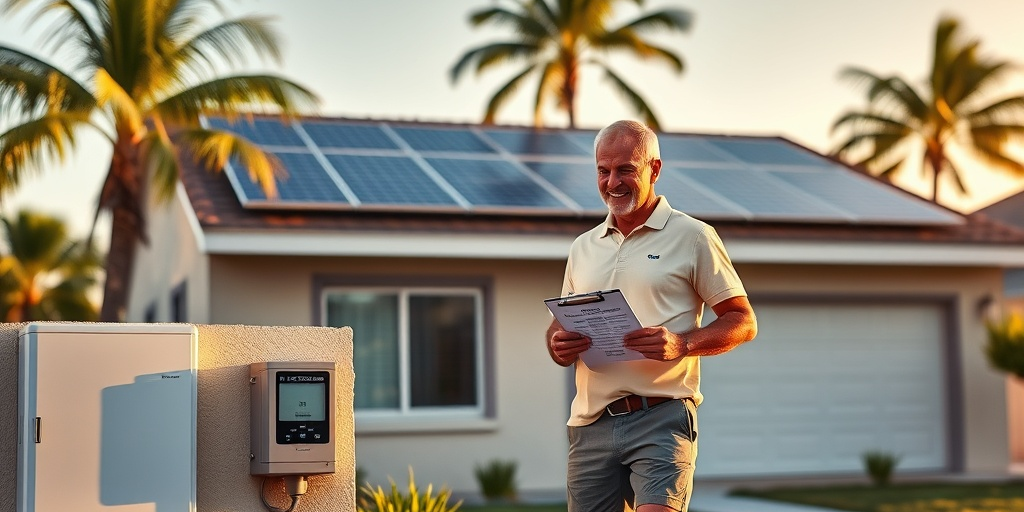
Why Florida Homeowners Should Consider Solar Battery Storage Now. Imagine this: a storm is brewing over Florida, and as the winds begin to howl, the lights in your home flicker ominously. Now, consider the feeling of calm that washes over you as you remember—your home is equipped with a solar battery storage system. With the rising costs of electricity in Florida, it becomes increasingly essential for homeowners to explore solar power and battery storage options to enhance energy independence. Did you know that according to the Solar Energy Industries Association, Florida ranks among the top states for solar installations? Furthermore, in 2023, the average electricity rate in Florida was approximately $0.14 per kilowatt-hour, a statistic that’s been climbing steadily. As we move into 2025, the urgency to adopt solar battery storage grows, driven by rising energy costs and the increasing frequency of outages due to extreme weather events. In this comprehensive guide, we’ll look at why Florida homeowners should consider solar battery storage now, break down facts and data, explore the immediate benefits, and walk you through effective actions to take in your solar journey. Here’s what to expect in the sections to follow: a deep dive into compelling case studies, a checklist to evaluate your readiness for solar, myth-busters surrounding common misconceptions, best local practices, and a technical deep-dive into the workings of solar storage systems.
Understanding the Need for Solar Battery Storage in Florida
Florida’s increasing population, coupled with the state’s notorious susceptibility to hurricanes, directly influences energy consumption and stability. Picture this: the Collins family, long-time residents of Tampa, decided to install solar panels and a battery storage system at the onset of the 2022 hurricane season. This decision turned out to be pivotal. During Hurricane Ian’s devastating impact, they remained powered while their neighbors scrambled for generators. Like many Floridians, the Collins family feared rising electricity rates—but their system ultimately saved them over $1,700 in power costs that summer alone. Florida homeowners can expect to save around 15–20% on their power bills when investing in both solar and battery storage (Energy.gov).
When evaluating whether solar battery storage is right for you in 2025, it’s essential to understand the landscape of energy consumption and costs in Florida. Given that about more than 50% of homeowners in the Sunshine State are now opting for solar solutions (SEIA.org), the question is not whether you should adopt solar energy, but rather when. Here are important aspects to consider:
- Increased Energy Prices: The increase in the average power prices makes a compelling case for evaluating renewable sources and battery systems, particularly when energy demands are at their peak.
- Extreme Weather Events: With Florida being vulnerable to hurricanes and tropical storms, having a reliable energy backup has never been more crucial.
- Technological Advances: More efficient battery storage technology is now available than ever before, providing homeowners with options they may not have considered previously.
With this shifting landscape in mind, let’s break down how battery storage works and why it matters for your home in Florida.
A Step-by-Step Guide to Evaluating Your Solar Battery Needs
The journey towards solar battery storage begins with a checklist to understand your specific needs. By following these five steps, you can evaluate your readiness to embrace solar technology:
- Step 1: Assess Your Energy Usage – Review your electricity bills from the last year to identify patterns and peak usage periods.
- Step 2: Determine Solar Suitability – Analyze your roof’s orientation and shading or consider an evaluation by a trusted solar company.
- Step 3: Engage with Local Utilities – Understanding your local utility’s policies on net metering can influence your battery storage decisions.
- Step 4: Explore Financing Options – Investigate solar incentives and financing structures available in Florida, which can significantly lower initial costs.
- Step 5: Consult with Experts – Connect with credible solar energy consultants to decide the best system and size for your family’s requirements.
These steps will help create a clearer picture of what you require and whether solar battery storage meets those needs.
Debunking Solar Storage Myths
As we navigate the decision to invest in solar energy, it’s essential to address common misconceptions surrounding solar battery storage:
- Myth #1: Solar Battery Storage is Too Expensive – While the upfront cost can be substantial, the long-term savings from reduced energy bills and the ability to utilize stored energy outweigh these initial costs, especially with new state incentives in place.
- Myth #2: Solar Batteries Are Not Fully Reliable – Modern battery technologies now provide dependable energy, often only requiring moderate sunlight to charge sufficiently, thus dispelling the notion of unreliability.
- Myth #3: Investing in Solar Storage Is Unnecessary – With increasing power outages in Florida, solar batteries provide both backup power during storms and savings during peak hours.
- Myth #4: Solar Power Only Works During the Day – Batteries store excess energy during sunlight hours, allowing you to utilize power at night or during blackouts.
- Myth #5: Solar Storage Systems Are Complicated – Today’s systems are designed to be user-friendly, with smart technology that allows easy monitoring and efficiency management.
By understanding and debunking these myths, you can make better-informed decisions surrounding your solar power installation.
Solar Energy Best Practices for Florida Homeowners
Implementing effective best practices is paramount for maximizing your solar investment. Here are five expert tips every Florida homeowner should consider for optimal solar installation:
- 1. Don’t Skimp on Quality Equipment – Choosing reputable brands and trusted installers ensures your system will perform efficiently and reliably.
- 2. Position Solar Panels Vertically and Effectively – Proper alignment of panels maximizes energy capture, enhancing both efficiency and savings.
- 3. Invest in Smart Battery Technology – Advanced batteries offer better performance and monitoring capabilities, ensuring your energy use is optimized.
- 4. Understand Your Utility’s Rate Structure – Recognize how energy pricing in Florida works, allowing you to plan your energy use better and take advantage of lower rates during off-peak hours.
- 5. Regular Maintenance is Key – Regular checks and upkeep guarantee that your system is working efficiently and identify potential issues early.
By following these tips, homeowners can maximize solar savings and foster energy independence in their lives.
Understanding the Landscape of Solar Energy in Florida
A fictional but realistic portrayal of a homeowner named Samantha can illustrate the impact of adopting solar technology in Florida. Samantha lives in Fort Lauderdale and became increasingly concerned about rising electricity costs. After consulting with a local solar energy consultant and assessing her energy requirements, she decided to transition to solar power in 2023.
After 12 months of usage, here’s what Samantha experienced:
- She observed a 40% reduction in her monthly electric bill.
- She felt secure during hurricane season, given her solar battery’s ability to provide her home with power throughout outages.
- Samantha received positive feedback from her friends and family, inspiring them to explore solar options.
- She became eligible for federal tax credits, which mitigated her initial investment hurdles significantly.
Thanks to her solar battery storage system, she not only gained energy independence but also contributed to a brighter future for Florida, raising awareness about sustainable practices.
Next Steps for Florida Solar Buyers in 2025
To ensure an effective transition to solar power in 2025, here’s a comprehensive checklist for prospective solar buyers:
- Step 1: Audit Your Electric Bill – Identify trends and expenses on your electricity bill to understand how a solar system can save you money.
- Step 2: Research Local Installers – Seek and compare quotes from different solar companies and confirm their licensing and credentials.
- Step 3: Evaluate Benefits of Storage – Assess whether adding a solar battery is feasible and advantageous based on local usage patterns and outages.
- Step 4: Confirm Available Incentives – Explore local, state, and federal incentives that can dramatically lower installation costs.
- Step 5: Stay Informed – Follow updates on solar technology and policies in Florida to ensure you make the most informed decision possible.
By adopting these steps, Florida homeowners can feel confident in their decision to invest in solar power.
In conclusion, embracing solar energy and battery storage systems is vital for Florida homeowners looking toward the future. The potential for rising energy costs, as well as extreme weather events, creates an urgent need for making sustainable choices. Investing in solar technology not only provides immediate financial benefits but ultimately contributes to a more resilient energy grid for the entire state. As we progress through 2025, remember that the choices we make today shape our tomorrow.
Ready to start your solar journey in 2025? Connect with a certified expert at floridaelectricandsolar.com today.
Related Articles
More insights about Battery Storage

What Is a Solar Battery and How Does It Store Power for Your Florida Home?

Beginner’s Guide to Solar Battery Storage Essentials

Florida Homeowners: Unlock Benefits of Solar Battery Storage Today
Ready to Go Solar?
Have questions about solar energy? Our experts are here to help you make the switch to clean, renewable energy.