
Why Florida Homeowners Should Consider Solar Panel Storage
Share:
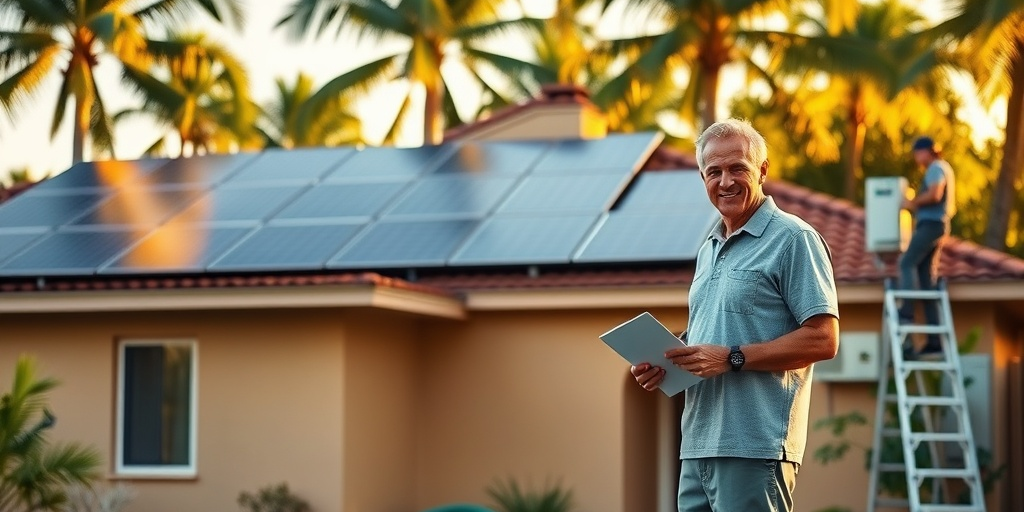
As a Florida homeowner, have you ever dreamed of having energy independence, saving money on your electricity bills, and contributing to a sustainable future? It’s not just a dream; it’s becoming a reality for many, thanks to advancements in solar technology. In fact, homeowners with solar panel systems can save an average of $1,000 to $2,000 annually on electric bills (SEIA.org). And with the surge in utility bills and the lure of new solar incentives for 2025, having solar panel storage is more critical than ever. This article, titled Why Florida Homeowners Should Consider Solar Panel Storage, will explore why integrating battery storage into your solar system can maximize your savings and provide security against grid instability.
In the state of Florida, where the sun shines brightly over 246 days a year, the potential for solar energy is incredible. The Florida Solar Energy Industries Association (FlaSEIA) reports that solar installations in the state have seen a significant rise of 24% during the last year alone (FlaSEIA.org). With utilities struggling against increasing demand and unstable fuel prices, 2025 represents a pivotal point for homeowners looking to safeguard their energy futures. Together, we will uncover five key areas: essential case studies that illustrate the transformative power of solar storage, actionable steps to implement battery storage, common myths debunked, pitfalls to avoid in the Sunshine State, and a detailed technical analysis of battery systems.
Maximizing Energy Independence: The Case Study of Florida Homeowners
Imagine the Johnson family, who reside in a cozy home in Orlando. After rising utility costs became a strain, they decided to invest in solar energy for their property. They equipped their home with a state-of-the-art solar panel storage system, embracing the power of the sun and the versatility of battery storage. With the installation, they came to realize several benefits that transformed their perspective on energy consumption.
- Reduction in Electric Bills: The Johnsons began noticing significant reductions in their monthly electric bills—by approximately 80% in just a few months. The combination of solar panels and battery storage allowed them to store excess energy generated during the day for use during peak hours at night, where energy rates are typically higher.
- Access to Backup Power: During one intense hurricane season, they experienced multiple power outages, but because of their battery storage, the Johnsons had reliable access to power. This feature was crucial for maintaining daily activities and keeping the refrigerator running.
- Environmental Impact: The Johnson family felt proud that they were doing their part in promoting sustainability. Their shift to solar helps reduce greenhouse gas emissions, supporting Florida’s initiative to shift toward renewable energy sources.
This specific journey not only highlights the practical benefits but also illustrates the emotional and psychological satisfaction experienced by Florida homeowners who take charge of their energy needs. Across the state, families just like the Johnsons are thriving under the many advantages of solar panel storage. A report from EnergySage reveals that residential battery sales increased by 35% between 2020 and 2021 (EnergySage.com), underlining the growing trend toward energy independence. For Floridians, 2025 will bring more incentives—making it an ideal time to join the movement.
5 Steps to Transition to Solar Panel Storage
If you’re convinced of the benefits of solar battery storage, knowing how to get started is the next step. Transitioning to solar-powered storage involves careful planning and consideration. Here’s a streamlined checklist for homeowners:
- Step 1: Assess Your Current Energy Use – Review your electricity bills from the past year to determine your monthly energy consumption. Understand peak usage times to strategize where battery storage will be most effective.
- Step 2: Evaluate Your Solar Needs – Depending on your household size and energy consumption, consult with a solar expert to decide on the right size and type of solar system tailored to your unique requirements.
- Step 3: Research Financing Options – Understand different financing opportunities available, whether through purchase, lease, or power purchase agreements (PPAs). Florida also offers several incentives for solar installations that can reduce upfront costs.
- Step 4: Choose a Reliable Installer – Always hire reputable vendors with proven records. Review client testimonials and local reviews to ensure you are selecting a trusted professional.
- Step 5: Monitor Performance Regularly – After your solar battery is up and running, keep track of its performance and your energy savings. Many systems come with apps that allow you to monitor production and storage levels in real-time.
When researching your solar options, don’t hesitate to consult floridaelectricandsolar.com. Their emphasis on customer education and satisfaction makes them a valuable resource for interested Florida homeowners looking to capitalize on energy independence in 2025.
Solar Myths: Debunking Misconceptions around Solar Panel Storage
As we examine the growing trend of solar panel storage, there are still several myths that can lead to misconceptions. Debunking these myths can help homeowners make informed decisions regarding their energy needs.
Myth #1: Solar Panels are Too Expensive – While the initial investment may seem high, the long-term savings on electricity bills and various tax incentives available in Florida make solar a viable option. In many cases, solar is more affordable than a traditional energy source when all costs are considered (SEIA.org).
Myth #2: Solar Storage Systems Are Inefficient – Many consumers believe that solar batteries lose a significant amount of energy during storage. However, advancements in technology have improved efficiency rates, with some batteries achieving up to 95% efficiency in energy usage.
Myth #3: You Must be Off-Grid to Use Solar Batteries – A common misunderstanding is that you can only benefit from solar battery storage if you’re completely off the electric grid. In truth, battery systems can be integrated into grid-tied systems, providing a backup source of energy during outages while enabling savings on electric bills.
Myth #4: All Homes Suit Solar Panel Installation – While some homes may not be ideal for solar, many can adapt to the technology successfully. Factors such as roof orientation, shading levels, and local regulations can all be evaluated to determine solar feasibility.
Myth #5: Solar Batteries Require Frequent Replacement – With modern innovations, a well-maintained solar battery can last over 10 years, sometimes exceeding warranties. Regular care and maintenance are crucial to maximize their lifespan and performance.
By addressing these solar misconceptions, homeowners can approach solar energy with a clear understanding, opening up the path toward energy independence. Remember, the conversion to solar isn’t just a personal investment; it’s a choice that positively impacts Florida’s environment by reducing carbon footprints.
Understanding the Technical Aspects of Solar Panel Storage
To appreciate why Florida homeowners should consider solar panel storage, it’s essential to understand the technical components that make these systems beneficial. A basic solar energy system includes solar panels, inverters, and battery storage. Here’s a breakdown:
- Solar Panels: These rooftop panels convert sunlight into electricity. They capture sunlight during the day, which can then either power your home or be stored in a battery.
- Inverters: The inverter plays a crucial role in converting the direct current (DC) produced by solar panels into alternating current (AC), which is used by most household appliances.
- Battery Storage: Batteries store surplus energy produced during peak sunshine hours for later use. This feature ensures you can power your home even when the sun isn’t shining, particularly during night or cloudy periods.
Floridians should note that evolving energy policies and regulations play a crucial role in determining battery storage viability. The Florida Public Service Commission (FPSC) has introduced guidelines and incentives that empower homeowners to explore solar options that suit their energy needs. Furthermore, a survey found about 60% of homeowners are interested in integrating battery storage into their solar systems (NREL.gov), indicating a significant potential market growth.
Next Steps for Florida Solar Buyers in 2025
As you consider solar energy in Florida, moving toward a solar storage system offers not just savings but security against rising electricity costs and grid uncertainties. Here’s an actionable checklist to keep you on track:
- Step 1: Audit Your Electric Bill – Look thoroughly through your past electric bills to spot trends in energy usage. Knowing when and how you use energy can guide your solar storage system size.
- Step 2: Choose Your Solar Equipment Wisely – Ensure that the solar panels, inverters, and battery systems are compatible. Opt for brands that have solid warranties and reputable performance records.
- Step 3: Understand Your Local Utility’s Policies – Familiarize yourself with net metering policies, which would allow excess generated energy to be fed back into the grid for credits. Understanding these benefits can improve your overall savings.
- Step 4: Consider Community Solar Programs – Community solar allows you to access solar energy without rooftop installations by purchasing shares in a local solar farm. Research local programs available in your area.
- Step 5: Connect with an Expert – When you’re ready to make the final decisions, consult a reputable installer for a professional assessment. Results are most effective when pursuing expert services.
Through Florida Electric & Solar, you can receive personalized consultancy to illuminate your path toward energy independence. Visit their site at floridaelectricandsolar.com for more detailed assistance and resources.
In conclusion, transitioning to solar panel storage presents an invaluable opportunity for Florida homeowners eager to embrace energy independence in 2025. With rising utility costs and the promise of technological advancements, now is the time to act. By understanding the landscape, engaging with the relevant experts, and implementing strategic systems, your dream of solar energy can become a reality.
Ready to start your solar journey in 2025? Connect with a certified expert at floridaelectricandsolar.com today.
Related Articles
More insights about Solar Panel Storage

Myth-Buster: Solar Panel Storage Will Not Solve All Your Issues

Myth: Solar Panel Storage Only Benefits Large Homeowners

Case Study: How One Family Achieved Energy Independence with Solar Panel Storage
Ready to Go Solar?
Have questions about solar energy? Our experts are here to help you make the switch to clean, renewable energy.