
Why Florida Homeowners Should Explore Energy Independence with Solar
Share:
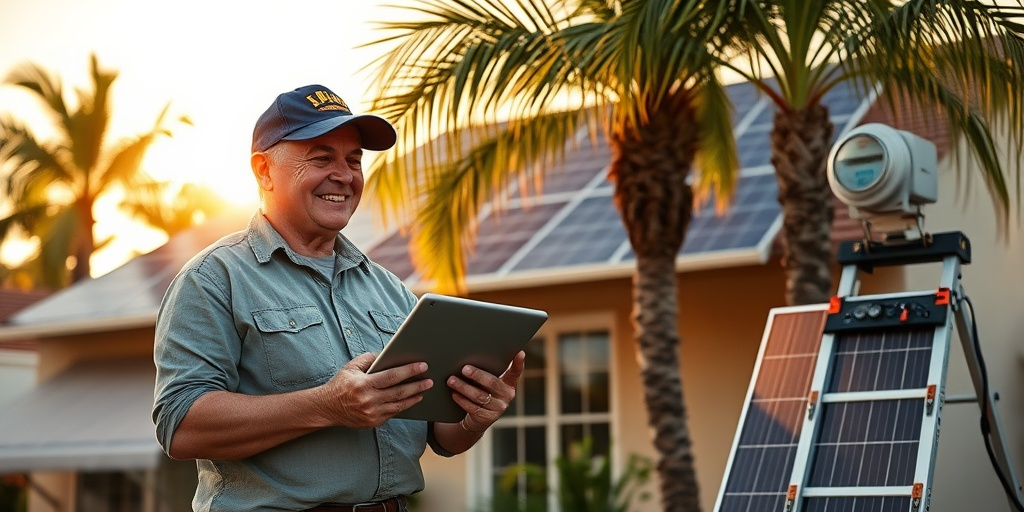
As Florida homeowners brace for the upcoming energy landscape in 2025, a compelling statistic rings true: over 1.5 million households in the Sunshine State are now considering solar energy as a viable power solution (SEIA.org). With energy costs soaring, these homeowners are on a quest for sustainability and energy independence. But why should they take the plunge into the realms of solar power? The answer lies in our blog titled Why Florida Homeowners Should Explore Energy Independence with Solar. Here, we will delve deep into how solar energy can transform their energy future. With potential incentives attracting significant investments and the climate crisis making energy independence an urgent priority, understanding all these facets becomes crucial as we enter 2025.
Let’s delve into the facts: Florida ranks fourth among states in installed solar capacity, with more than 6,350 MW of solar installed as of 2022 (SEIA.org). Furthermore, the cost of solar panels has decreased by over 70% since 2010, making it more affordable for homeowners to invest in their energy autonomy (SolarReviews.com). These encouraging numbers, coupled with increased grid instability and rising energy costs, make it paramount for Florida homeowners to explore energy independence through solar. In the upcoming sections, we’ll cover a range of topics—from real-life case studies to actionable checklists, prevalent myths that need debunking, best practices for solar installation, and a thorough action plan for aspiring solar energy enthusiasts. Let’s embark on this enlightening journey!
Understanding Solar Energy in Florida: A Journey Toward Energy Independence
Before embarking on a solar journey, it is vital to hear the story of Jane and Mark, a typical Florida couple who made the leap into solar energy in 2023. Living in central Florida, they were hit hard by rising energy costs, feeling the financial sting every time their air conditioner kicked on during the sweltering summer months. After realizing their electricity bills were higher than their mortgage payments, they began exploring ways to regain control of their energy costs and reduce their carbon footprint. Thankfully, they discovered solar energy and decided to take the plunge. Here’s how their story unfolded.
Case Study: The Smith Family’s Solar Journey
Jane and Mark learned that Florida has some of the best sunlight exposure in the United States, making it ideal for solar panels. With ample roof space and a keen desire to reduce their electricity bills, they decided to consult with a local solar provider. Their journey began with a detailed consultation, assessing their energy usage and roof conditions. Within a few weeks, they had a custom solar plan designed for their home—not only did it help cut their electric bills by 50%, it qualified them for an impressive federal tax credit. This financial incentive made the upfront investment more manageable.
As they watched their solar energy system come to life, they reflected on what energy independence truly meant. Day after day, the system generated clean energy, feeding excess power back into the grid and earning them credits on their bills. By leveraging net metering, they maximized their energy production while supporting their local grid. Fast forward to 2025, and the Smith family is now living almost entirely off the grid, showcasing how solar energy can bring both financial security and environmental responsibility.
Checklist for Florida Homeowners: Top 5 Steps to Embrace Solar Independence
- Step 1: Evaluate Your Energy Needs – Before you leap into solar, analyze your electricity usage over the past year. This gives insight into the size of the solar system you will need.
- Step 2: Understand Local Incentives – Florida offers various incentives, such as property tax exemptions and rebates, which can significantly reduce the overall costs of solar installations.
- Step 3: Choose the Right Solar Provider – Research local solar companies, reading their reviews and checking their credentials. A reputable company should be transparent about their offerings.
- Step 4: Decide on Equipment – The solar panel types (monocrystalline vs. polycrystalline) can affect efficiency and costs. Understand your options before selecting.
- Step 5: Schedule Your Installation – Once everything is in order, set a date for installation. During this time, ensure to ask questions to fully understand your new system.
Jane and Mark’s experience highlighted that going solar is much more than a purchase; it’s a vital step toward autonomy. However, it’s crucial to address some prevalent myths about solar energy that often lead homeowners to feel skeptical.
Myth-Buster: Top Misconceptions About Going Solar
Moving into the world of solar energy comes with its fair share of myths and misconceptions that can deter potential users. Let’s break down these misconceptions and replace them with facts to help Florida homeowners make informed decisions.
- Myth #1: Solar Energy is Too Expensive – Many believe that the upfront cost of solar systems is prohibitive. However, with federal tax credits, state incentives, and financing options, the total system cost is significantly lowered (Energy.gov).
- Myth #2: Solar Panels Don’t Work on Cloudy Days – While solar panels are most effective on sunny days, they continue to generate energy in cloudy conditions. In fact, they can still produce 20-30% of their capacity even on overcast days (SolarReviews.com).
- Myth #3: Solar Energy is a Fad – The reality is that solar energy is becoming a cornerstone of sustainable energy policies nationwide. As technology advances, the demand for solar power is only expected to grow (NREL.gov).
- Myth #4: Solar Will Ruin Your Roof – Professional installations preserve rooftop integrity. Quality solar mounting systems ensure minimal impact during installation (SEIA.org).
- Myth #5: You’ll Go Off the Grid Completely – Most homeowners still rely on the grid as a backup. This safety net ensures you receive power when your system isn’t generating enough energy, such as at night (Energy.gov).
Addressing such misconceptions can help Florida homeowners make smarter decisions as they consider making the shift to solar energy.
Best Practices: 5 Expert Solar Installation Tips for 2025
Investing in solar power is an exciting step, but it’s vital to keep best practices in mind to ensure you maximize your investment. Below are five solid tips to guide you in the solar installation process.
- 1. Don’t Skimp on Panel Placement – The orientation of your solar panels greatly influences their efficiency. Aim for south-facing roofs where panels receive maximum sunlight for more energy generation.
- 2. Get the Right Size System – Tailor your solar panel system to your specific energy needs. An oversized system can lead to wasted energy and unnecessary expenses.
- 3. Use a Qualified Installer – Work with certified professionals who have experience optimizing solar panel installations to ensure compliance with regulations and maximize efficiency.
- 4. Regular Maintenance Counts – Schedule periodic maintenance to keep your solar system running efficiently. Clean panels and check for any damage regularly to avoid drops in performance.
- 5. Keep Informed About Incentives – Stay informed on changing policies and incentives for solar energy. They can significantly impact the overall cost and benefits of your system.
These best practices help homeowners prepare for a successful transition to solar power while making informed decisions throughout the process. But how do solar systems actually work, and what are the technical details that homeowners should understand?
Technical Deep-Dive: Understanding Solar System Functionality
Now let’s explore the technical intricacies behind solar power systems, from components to the billing process. Understanding how each part works can empower Florida homeowners as they make the switch to solar.
A standard solar system typically includes the following components: solar panels, inverters, and battery storage options. Solar panels, often made of silicon, convert sunlight into electricity. When sunlight hits the panels, it excites electrons, creating a flow of electricity.
The inverter plays a critical role by converting the direct current (DC) electricity produced by the solar panels into alternating current (AC) electricity, which is what most households use. Optimized inverter performance is crucial; selecting high-quality, high-efficiency inverters can reduce energy losses significantly.
Battery storage systems provide additional energy security by allowing homeowners to store excess solar energy produced during the day for use at night or during power outages. One increasingly popular option is the Tesla Powerwall, providing significant flexibility in energy use.
- 1. Know Your Net Metering Policy – Florida uses net metering to credit homeowners for the excess energy they feed back into the grid. Be sure to understand this policy as it affects your energy savings.
- 2. Understand Billing and Maintenance Costs – Even with solar energy, homeowners will have some costs related to system maintenance, utilities, and potential system upgrades.
- 3. Energy Consumption Tracking – Installing a solar monitoring system allows homeowners to track their energy production and consumption in real-time, helping them optimize usage.
Next Steps for Florida Solar Buyers in 2025
If you’re excited about unlocking your power with solar energy, it’s essential to have a detailed action plan. Here’s a stepwise approach to take as you consider making the switch in 2025.
- Step 1: Audit Your Electric Bill – Review your past electricity statements to understand your energy consumption and costs. This will guide your investment decisions.
- Step 2: Research Available Incentives – Learn about federal and state incentives, local programs, and potential rebates that can help lower your overall costs.
- Step 3: Schedule Consultations – Meet with multiple solar contractors to get quotes and detailed proposals and to better understand solutions tailored to your needs.
- Step 4: Compare Equipment Options – Review the specifications of various solar panel brands and inverter options to ensure you select the best quality for your investment.
- Step 5: Make Your Purchase – Evaluate financing options and seek long-term benefits while staying informed about installation and operational support.
Following these steps can not only reduce uncertainty but also provide clarity on the solar adoption process.
As we conclude this comprehensive exploration into solar energy, it’s crucial to recognize the importance of this timely transition. Florida’s landscape shifts dramatically every year, but the potential for solar energy shines brighter than ever in 2025. By taking steps toward solar adoption, you can not only save significantly on energy bills but also contribute to a more sustainable future for your community. Every decision matters, and as the Smith family discovered, the journey toward energy independence can provide peace of mind and financial security.
Ready to start your solar journey in 2025? Connect with a certified expert at floridaelectricandsolar.com today.
Related Articles
More insights about Solar

What Are the Key Benefits of Solar for Commercial Properties?

Why Gulf Coast Residents Should Explore Solar for Commercial Properties

Why Gulf Coast Residents Should Consider Solar for Commercial Properties
Ready to Go Solar?
Have questions about solar energy? Our experts are here to help you make the switch to clean, renewable energy.