
Why Florida Homeowners Should Invest in Solar Panel Installation
Share:
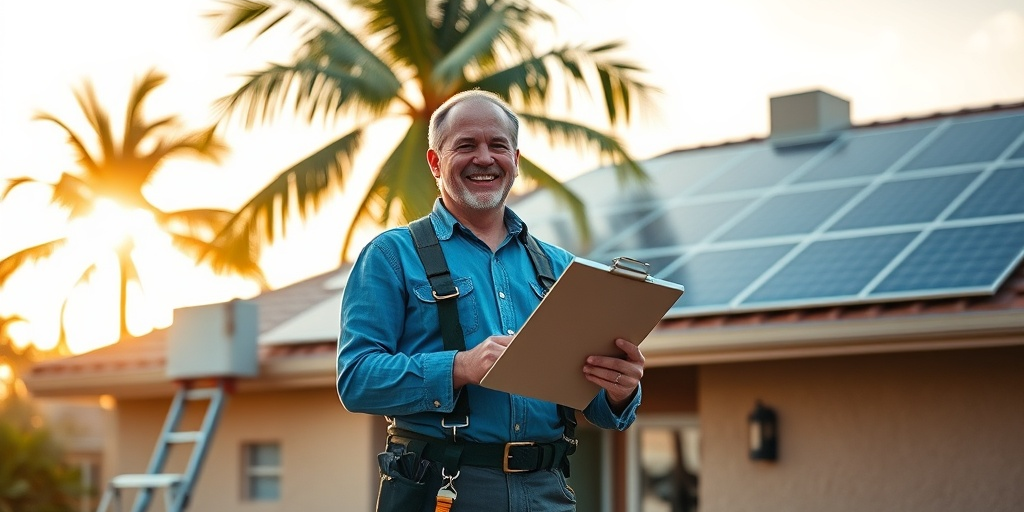
As the Florida sun shines down upon our vibrant communities, many homeowners are left asking: “What can I do to take advantage of this abundant energy source without breaking the bank?” In the upcoming years, solar energy presents an incredible opportunity for homeowners—not only to save on electricity costs but also to contribute to a sustainable future. In our article titled “Why Florida Homeowners Should Invest in Solar Panel Installation”, we will uncover the myriad benefits and opportunities surrounding solar panel installation. Consider this: as of recent studies, Floridians are paying an average of 12.15 cents per kWh in electricity rates—up nearly 6% in the last year alone (SEIA.org). Moreover, Florida ranks second in the nation for the total number of solar jobs, contributing to a booming industry that supports local economies and sustainable practices (Florida Solar Energy Center). With solar incentives and rebates set to increase in 2025, the urgency to embrace solar technology has never been greater. This article will explore five vital sections: a case study of a Florida family that transformed their energy bills, a checklist for solar installation, a myth-busting section addressing common misconceptions, a deep dive into local advantages, and an actionable plan for your solar journey in 2025.
Maximize Your Savings and Sustainability with Solar Panel Installation
Imagine the Rodríguez family, living in a cozy home in Orlando. They had always struggled with soaring energy bills, especially during those hot Florida summers. Aware of their rising electricity costs, they decided to explore the possibility of solar energy. After conducting research, they found a reputable company with a glowing reputation—Florida Electric & Solar. Inspired by the potential for long-term savings and the promise of sustainability, they signed a contract for solar panel installation. Now, they enjoy monthly savings of nearly 40% on their electricity bills while feeling good about their contribution to a green planet.
As a clear plan materialized, the Rodríguez family realized significant savings from tax credits and incentives, all while reducing their carbon footprint. By 2025, the available incentives for Florida homeowners investing in solar will reach an unprecedented peak, making it the ideal time for new adopters. Here’s a checklist of actionable steps for homeowners considering solar installation:
- Research Solar Companies – Look for local businesses with positive reviews and track records.
- Assess Your Home’s Suitability – Verify if your roof is optimal for solar panels.
- Understand Financial Incentives – Explore the tax credits available in your area (30% federal tax credit).
- Consult with Experts – Schedule a consultation with a trusted installer to discuss options.
- Prepare for Installation – Ensure your home is ready and choices are finalized.
Surprisingly, some homeowners hesitate, believing common myths surrounding solar. It’s crucial to highlight these myths and debunk them with facts:
- Myth #1: Solar Panels are Too Expensive — With financial incentives, many Florida homeowners can pay little to nothing upfront.
- Myth #2: Solar Doesn’t Work on Cloudy Days — Solar technology continues to generate energy even on overcast days.
- Myth #3: It’s a Hassle to Install Solar Panels — Most reputable companies handle the entire installation process.
Did you know that solar power can significantly reduce your utility expenses? In Florida, solar energy systems have an average payback period of 7 to 8 years (SolarReviews.com). This means substantial savings throughout the life of the system, which can last over 25 years. Implementing solar technology can enhance the value of your property, making it an attractive investment for any homeowner.
As I dive deeper into the Florida solar landscape, you will discover the local focus, technical specifics, and practical guidance essential to embark on your solar journey. Let’s explore some practical reasons why Florida homeowners should embrace solar energy installations.
The Growing Landscape of Solar Energy in Florida
As energy bills rise each year, it becomes increasingly clear that the future of home energy lies in renewable resources like solar power. A noteworthy factor to consider in this changing landscape is the remarkable financial incentive landscape evolving in 2025. The transition to solar energy is not only beneficial for reducing utility costs but also aligns with state policies aimed at promoting cleaner energy sources.
In fact, Florida ranks among the top states for solar potential, receiving an average of 237 sunny days a year—perfect conditions for harnessing solar energy. Homeowners exploring solar installations in Florida can derive substantial benefits, including:
- Diverse Financial Incentives – By 2025, homeowners may capitalize on state and federal tax credits, grants, and financing options.
- Rising Property Value – Solar-equipped homes often sell at a premium, adding to long-term investment value.
- Environmental Impact – Solar power generates clean energy, reducing dependence on fossil fuels and lowering carbon footprints.
However, navigating these opportunities can be overwhelming. Here’s a checklist to help streamline the process:
- Consult Local Experts – Reach out to neighbors or local organizations about their experiences with solar power.
- Personalize Your Solar System – Evaluate your energy needs and determine the size of the system required.
- Consider Battery Storage – Explore energy storage solutions to ensure availability during outages.
- Understand Utility Policies – Familiarize yourself with net metering policies in Florida.
- Learn About Maintenance – Research ongoing maintenance and monitoring options for system efficiency.
As you consider these factors, ensure you also debunk the core myths circulating about solar energy, which we will detail next. The future of solar energy in Florida is charged with promise, featuring various dynamic prospects for homeowners ready to seize the moment.
5 Myths About Solar Panels, Busted
One of the main obstacles to widespread solar adoption is the abundance of myths that discourage homeowners from making the leap. By tackling these misconceptions head-on, we empower Florida homeowners to make informed decisions. Let’s uncover and debunk some of the most common myths:
- Myth #1: Solar Panels are Only for the Wealthy — With solar loans, leases, and the 30% federal tax credit, options are available for all types of homeowners.
- Myth #2: Solar Power is Unreliable — Modern solar systems offer reliable performance, and many even integrate battery backup systems.
- Myth #3: Maintenance is Complex and Expensive — Solar panels require minimal maintenance; annual inspections and cleaning can ensure optimal performance.
- Myth #4: Solar Panels Damage Roofs — When installed correctly by professionals, solar panels can actually protect roofing materials and prolong their life.
- Myth #5: Solar Energy is an Unproven Technology — Solar power has existed for decades, continuously evolving for greater efficiency and performance.
These myths can easily mislead potential solar adopters, leading to missed opportunities for sustainable energy solutions. In Florida, where average daily electricity use per household is consistent with national averages, the potential for savings is even higher. By clearing confusion around these myths, homeowners come closer to realizing the advantages of solar energy.
With these misconceptions addressed, let’s dig deeper into local insights that highlight the practical benefits and opportunities for Florida homeowners.
Understanding Florida-Specific Advantages of Going Solar
As the world’s eyes turn toward sustainable energy solutions, Florida stands out as a beacon for solar opportunities. Tailored to the unique attributes of the Sunshine State, several local policies enhance the potential for homeowners considering a shift to solar energy. Here are key points that make solar installations especially advantageous in Florida:
- Tax Credits and Incentives — Florida homeowners can benefit from the federal solar tax credit, alongside state incentives that reduce the overall cost of solar installations.
- Net Metering Policies — Through net metering, homeowners can receive credits for surplus energy generated by their solar systems, allowing for more savings on future electricity costs.
- Utility Rebates — Many utility companies in Florida provide rebates for solar installations, further alleviating the upfront costs.
- Local Financing Options — Numerous Florida banks and credit unions offer tailored financing programs to make solar energy more accessible.
- Environmental Awareness — Florida’s policies aim to reduce greenhouse gas emissions, aligning residential solar energy solutions with broader state goals.
In 2025, with consistent energy demand and a high number of sunny days, Florida homeowners looking to invest in solar energy will find their choices amplified by educational resources and accessibility. Consider the nearly 700 MW of solar power installed in Florida within just two years (NREL.gov). This growth is likely to foster increased community engagement surrounding solar initiatives, making now the perfect time to capitalize on such a booming industry.
For those wishing to move forward with solar installation, understanding these advantages can transform not only your energy consumption but also bolster the value of your property. With the insights gathered, we can move towards a comprehensive action plan tailored specifically for Florida solar buyers.
Next Steps for Florida Solar Buyers in 2025
As you consider this new journey, it’s essential to elevate the practical steps required to transition to a solar-powered home in Florida. Getting started can often feel daunting, but breaking it down into actionable steps can simplify your decision-making process:
- Audit Your Electric Bill — Begin by reviewing your electricity expenses to assess the potential savings from solar. Evaluate your typical energy usage to find a suitable solar system size.
- Research Local Installers — Utilize resources like online reviews and recommendations for finding trustworthy solar installation companies in Florida.
- Get Multiple Quotes — Contact various solar providers to compare quotes, financing options, and service contracts. Make informed decisions based on differences in technology and warranties.
- Schedule a Consultation — Once you narrow down your choices, set appointments with a few installers to gain insights about system design, installation timelines, and any necessary permits.
- Finalize Your Decision — After gathering all necessary information and quotes, select a provider that aligns with your needs, budget, and sustainability goals.
As you follow these steps, remember that professional support is invaluable. Florida Electric & Solar commits to ensuring a smooth transition to solar energy, guiding clients through installation and orientation. Start your solar journey today with the best practices that guide you towards a sustainable and financially rewarding investment.
In conclusion, the decision to invest in solar panel installation in Florida is not just financially sound; it aligns with broader community goals toward sustainability and the environment. With ample sunshine and an array of state incentives, there is no better time than now. The financial and environmental impacts resonate well beyond just savings and energy independence—they extend to future generations and the local community we cherish. Are you ready to harness the sun’s power? If so, connect with a certified expert at floridaelectricandsolar.com today.
Related Articles
More insights about Solar Panel

Florida Homeowners: Why Solar Panel Maintenance Is Essential

7 Essential Steps for Solar Panel Installation Success

Expert Insights: Key Factors Influencing Solar Panel Lifespan
Ready to Go Solar?
Have questions about solar energy? Our experts are here to help you make the switch to clean, renewable energy.