
What Florida Homeowners Ask About Solar Panel Lifespan
Share:
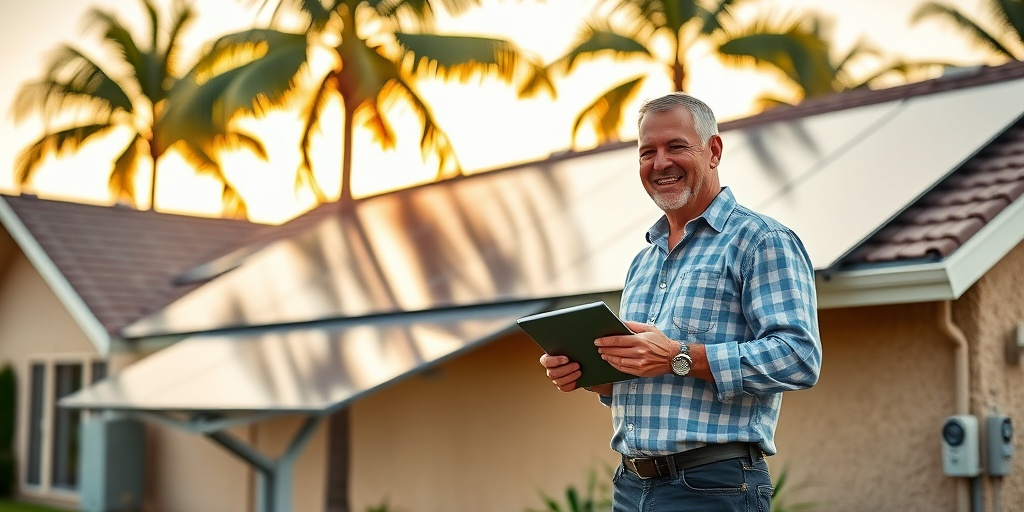
Imagine standing on your sun-drenched Florida porch, sipping iced tea while your home generates its own electricity. That dream is becoming a reality for many Florida homeowners interested in solar energy in 2025. You might be asking yourself, “What Florida homeowners ask about solar panel lifespan?” Understanding the lifespan of solar panels isn’t just a technical detail; it’s paramount to grasping their long-term value, performance, and benefits for your family. Fun fact: modern solar panels have a typical lifespan of around 25-30 years (SEIA.org), and according to SolarReviews, most panels guarantee 80% of their efficiency even after 25 years. This is crucial in an era where energy costs are soaring and grid instability is becoming commonplace. With incentives for solar adoption rapidly changing, it’s more important than ever to stay informed about how durable and reliable these systems are. In this blog post, we will delve into essential aspects including case studies of real Florida homeowners, a detailed checklist of considerations, myth-busting around common misconceptions, a focus on solar-related statistics in Florida, and a deep dive into the technicalities of solar technology. Let’s empower you with the knowledge you need to make an informed decision about solar energy!
Unpacking Solar Panel Lifespan and Performance for Florida Homes
When considering solar energy, one of the most pressing questions is, “How long will my solar panels last?” This query is layered with many facets, including actual lifespan, performance degradation, maintenance needs, and how varying conditions affect overall efficiency. For instance, did you know that while solar panels can last 25-30 years, they typically lose about 0.5%—1% of their efficiency each year (Energy.gov)? This breakdown is essential for you to begin understanding how your investment in solar energy will pay off over time.
The Journey of the Rodriguez Family: A Case Study in Solar Panel Longevity
Let’s take a look at a powerful story from the Rodriguez family in Tampa, Florida. After battling with rising electric bills for years and experiencing frequent outages, they decided to explore their solar options in 2020. They chose to install a 10kW solar panel system with an expected lifespan of 25 years. Fast forward to 2025, and the Rodriguez family has seen a 60% reduction in their electric bill. But it’s not just the savings; they enjoy peace of mind knowing their system is built to withstand Florida’s weather conditions. “We were surprised to learn how resilient and durable the panels actually were,” recounts Carmen Rodriguez. “We were expecting some degradation but not as much as we’ve experienced. They still perform at 90% effectiveness, even after five years!”
Here’s a checklist of key factors to evaluate when considering your solar panel investment:
- Brand Reputation: Research companies that offer dependable products with solid warranties.
- Installation Quality: Professional installation ensures longevity; poor installation can lead to early failures.
- Material Quality: Higher-quality materials often last longer and perform better.
- Weather Resilience: Ensure the system is rated for your local climate, especially in hurricane-prone areas.
- Maintenance Plan: Regular inspections can spot potential problems before they cause significant damage.
In Florida, it’s essential to be aware that your solar panels should also comply with local building codes and regulations to guarantee their performance (Florida Solar Energy Center). Each of these factors not only affects the lifespan of your solar panels but also the performance over the years. Evaluating these considerations is crucial in determining how well a solar system will work in the long haul.
Let’s debunk some common myths about solar panel lifespan and performance in the Sunshine State.
5 Common Myths About Solar Panel Lifespan, Debunked
- Myth #1: All Solar Panels Last the Same Amount of Time
The truth is, the lifespan can significantly vary. Different manufacturers offer different warranties and quality levels. Premium models may last longer and perform better. - Myth #2: Panels Lose Efficiency Too Quickly
Many panels only degrade by about 0.5% to 1% per year, which is minimal—most will still be operating at 80-90% efficiency after 25 years. - Myth #3: Maintenance is a Hassle
Solar panels require little to no maintenance. A periodic cleaning and inspection will usually suffice to keep them operating efficiently. - Myth #4: You Can’t Replace Panels
If a panel is damaged or underperforming, you can replace individual panels without having to remove the entire system. - Myth #5: Florida’s Weather Detracts from Solar Performance
While Florida weather is variable, modern panels are designed for durability and can withstand harsh conditions like heavy rain and high winds.
As you consider solar installation, dispelling these myths can help position you to make smarter, more informed decisions regarding your solar energy investment.
5 Must-Follow Tips for Solar Installation in 2025
Are you ready to embark on your solar journey? Before you proceed, here are five expert tips to ensure you maximize your solar system’s lifespan and efficiency:
- Invest in Quality Panels
Opt for panels from reputable companies that back their products with extensive warranties. Look for panels rated for high efficiency and durability. - Choose the Right Installer
Find a certified installer with experience specifically in the Florida market. Installation quality can directly impact longevity. - Select Optimal Placement
Panels should be positioned for maximum sunlight exposure, ideally on a south-facing roof, which is essential in Florida for the highest energy production. - Regular Maintenance
Schedule yearly inspections and cleansing to ensure your panels are free from debris, dirt, or shading that can impede performance. - Stay Informed About Incentives
Florida homeowners can take advantage of state and federal incentives for solar energy. Staying updated will help you maximize savings (DSIREUSA.org).
Making smart choices during the installation can significantly improve both the performance and longevity of your solar panels. So don’t shy away from researching potential contractors and materials to ensure you’re getting the best value possible.
Understanding New Industry Data: A Glimpse into the Future of Solar Energy
As the solar industry continues to evolve, it’s vital to stay updated with fresh data and forecasts. Recent statistics indicate that solar energy has grown significantly in the past decade, with forecasts suggesting a continued boom as efficiency technology advances (NREL.gov). Moving forward, increasing numbers of panels will be equipped with technologies that allow for more energy generation with less input. Some key points include:
- Increased Efficiency: New panel designs are seeing efficiency ratings over 22%, meaning more energy from the same sunlight.
- Battery Integration: More homeowners are integrating battery storage solutions, allowing them to store energy for later use, which helps mitigate outages.
- Grid Modernization: The push towards smart grids allows for better energy management and optimized system performance.
- Financial Viability: As prices drop and technology improves, solar energy becomes increasingly affordable and accessible to all Floridians.
These developments will ensure that homeowners not only enjoy lower electric bills but also empower them through energy independence. The shift toward renewable energy sources will offer sustainable solutions backed by innovation.
Next Steps for Florida Solar Buyers in 2025
Planning for your solar journey is both exciting and crucial. To help you navigate the process, here’s your action plan:
- Step 1: Audit Your Electric Bill
Examine your past bills to determine how much you’re currently spending on energy each month. This insight will guide your solar energy needs. - Step 2: Research Local Solar Providers
Explore local companies specializing in solar installation and read reviews. Local expertise ensures a better understanding of Florida regulations. - Step 3: Consult with Experts
Set up consultations with solar providers to discuss your goals, budget, and options suitable for your property. - Step 4: Choose the Right System
Select the system that suits your energy needs based on advice from consultations, considering factors such as size and technology. - Step 5: Take Advantage of Financing Options
Research financing programs or incentives designed to ease the upfront costs associated with solar installations.
By following these straightforward steps, you’ll be well on your way to owning a solar system that can positively impact both your financial and environmental outlook.
As we conclude our deep dive into what Florida homeowners ask about solar panel lifespan, it’s clear that understanding these facets is integral to your decision-making process. Not only can solar panels dramatically reduce electricity expenses, but they can also contribute to a sustainable future for all Floridians. When investing in solar power, you absolutely want to ensure long-term effectiveness, warranty coverage, and operational efficiency. With the increasing urgency of rising energy costs and environmental concerns, now is the time to make a knowledgeable solar choice.
Ready to start your solar journey in 2025? Connect with a certified expert at floridaelectricandsolar.com today.
Related Articles
More insights about Solar Panel

Florida Homeowners: Why Solar Panel Maintenance Is Essential

7 Essential Steps for Solar Panel Installation Success

Expert Insights: Key Factors Influencing Solar Panel Lifespan
Ready to Go Solar?
Have questions about solar energy? Our experts are here to help you make the switch to clean, renewable energy.